


Table of contents
- Where does snus come from? ›
- Snus, nicotine pouches, chewing tobacco: What's the difference? ›
- How snus works ›
- What's in snus? ›
- Effects: What does snus do to you? ›
- Snus or cigarettes: An honest assessment ›
- Strengths and varieties: What's available? ›
- Snus and the law ›
- What matters when buying ›
- Everything you need to get started on an informed basis ›
Many people don't realise that snus has existed for centuries. The concept is simple: a small pouch under your upper lip, done. No smoke, no lighter, no smell on your jacket. The nicotine passes directly through the oral mucosa into the bloodstream. What was once the domain of farmers and sailors is today one of the most popular nicotine formats in the world. And yes, there's a reason for that.
Where does snus come from?
The 18th century, Sweden. Workers and fishermen tucked moist tobacco under their lip because smoking was prohibited on wooden ships and simply impractical in the fields. The oldest variety still available, Ljunglöfs Ettan, came to market in 1822 and exists to this day. Within the EU, classic tobacco snus may only be sold in Sweden. Everywhere else, tobacco-free nicotine pouches go by the term snus.
Snus, nicotine pouches, chewing tobacco: What's the difference?
Three terms that are constantly mixed up. But the matter is clear:
- Classic snus contains real tobacco, is stored moist, and tastes accordingly.
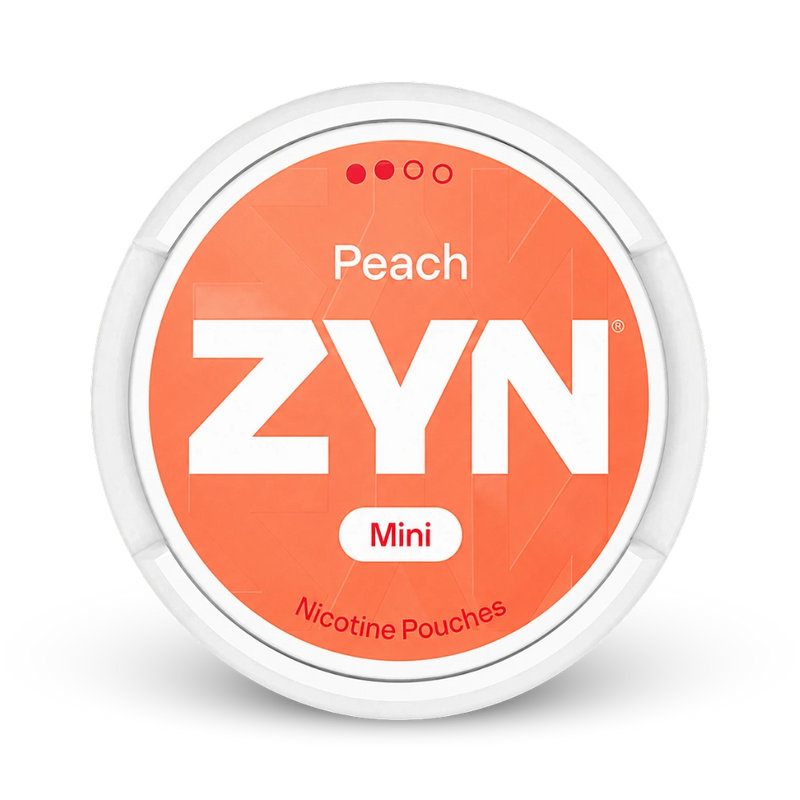
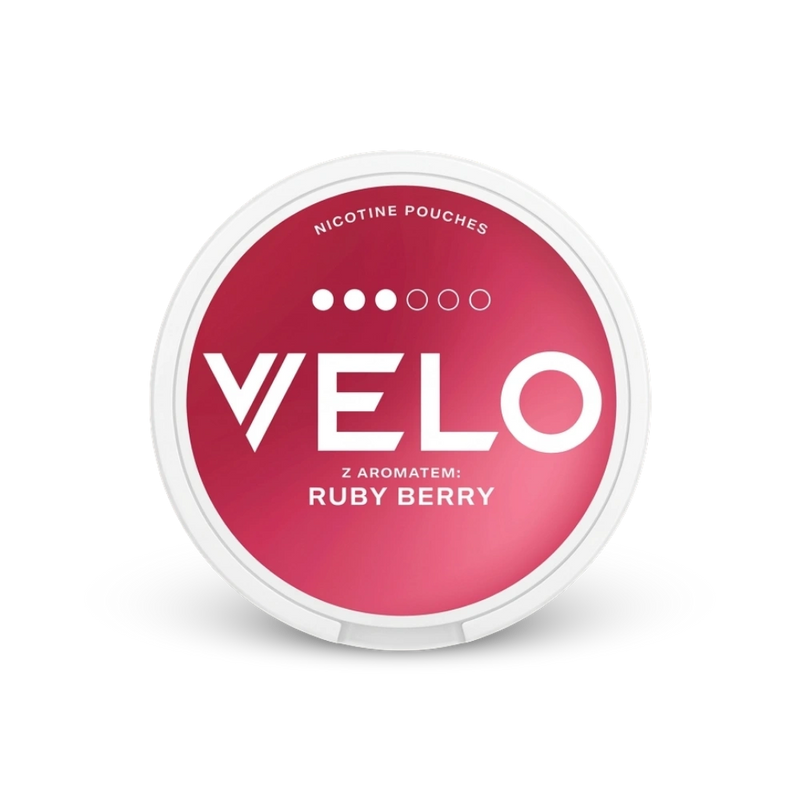
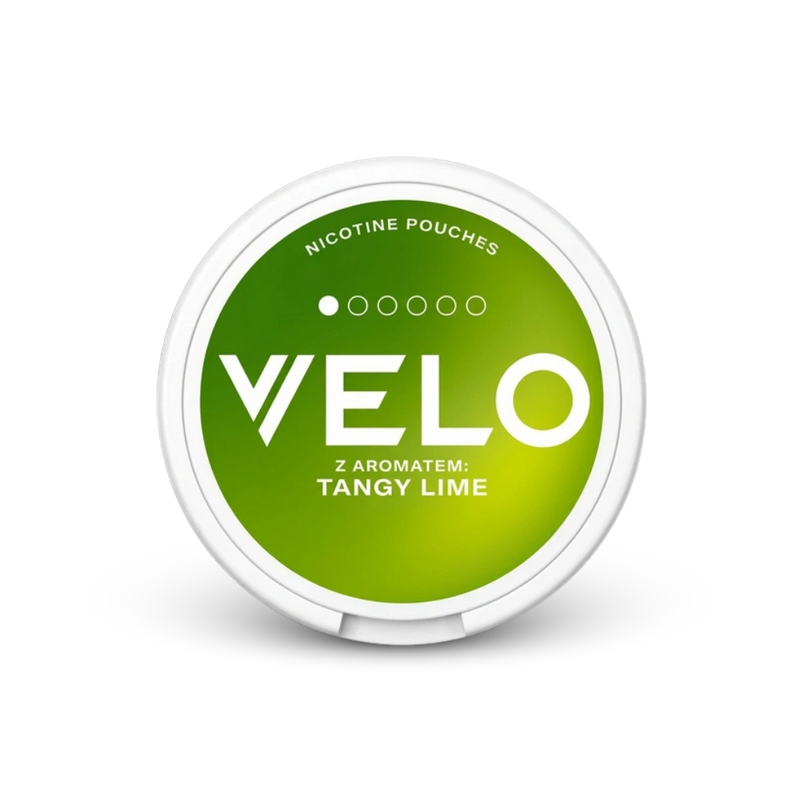
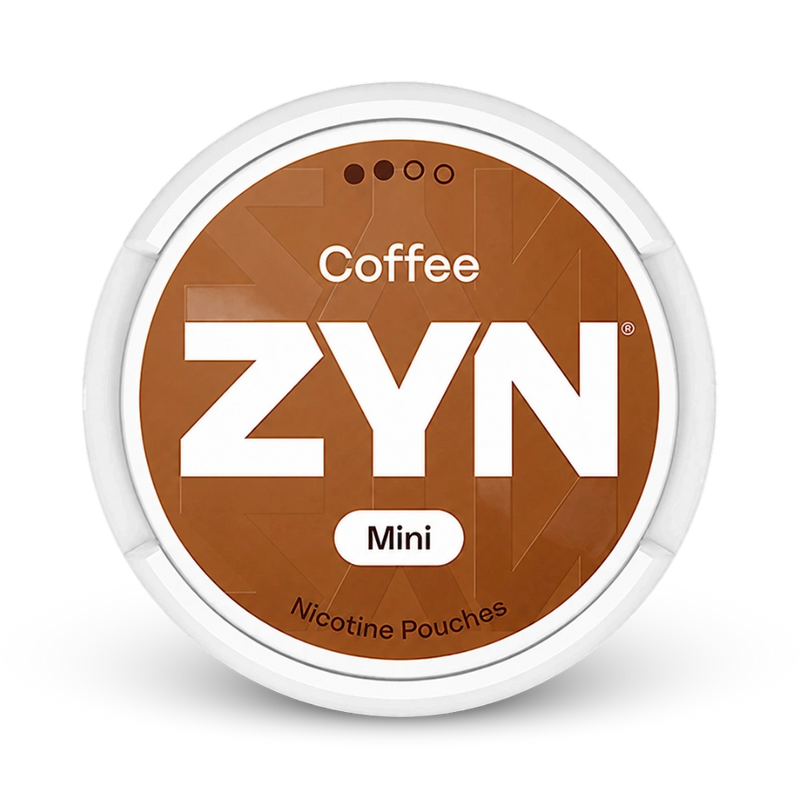
- White Snus contains no tobacco, only nicotine on a plant fibre base. Zyn, Velo, Loop, Nordic Spirit all fall into this category.
- Snus without nicotine is the nicotine-free option, for anyone who wants to try the format or reduce their nicotine intake.
- Chewing tobacco is chewed and spat out. Snus is not. Full stop.
Both nicotine-containing variants are addictive.
Snus Glossary: Anyone wanting to read up on the exact differences between product types can find a concise overview in the Snus Glossary.
How snus works
- Take out the pouch,
- place it behind your upper lip,
- done.
The nicotine is absorbed through the oral mucosa — no chewing, no swallowing, no spitting required. After two to five minutes the effect kicks in. Depending on the strength, it lasts between 30 minutes and an hour. Experienced users shape loose snus into a small roll themselves, but most people today opt for portion pouches.
How long does a pouch stay in?
20 to 60 minutes is normal. When the flavour and effect fade, it's done. Simply remove it, place it in the compartment in the lid of the can, and you're done.
What's in snus?
Classic snus: ground, heat-treated tobacco, water, salts, flavourings. Not fermented, which keeps the nitrosamine content comparatively low. Nicotine pouches instead use plant fibres with added nicotine.
The most important ingredients at a glance:
- Nicotine: psychoactive, addictive, present in both variants
- Tobacco (classic snus only): brings additional plant compounds and tobacco-specific nitrosamines
- Flavourings: mint, berry, citrus, liquorice, and everything in between or creative notes
- Salts and buffers: control pH level and the speed of nicotine release
Effects: What does snus do to you?
Nicotine acts quickly. Clearer head, increased concentration, mild relaxation. At too high a strength or on the first try, dizziness, nausea, and a racing heart can occur. This is a classic nicotine overdose, not a product defect.
From our own experience with hundreds of products we have tested and listed: the most common beginner mistake is choosing a strength that is too high to start with. A medium pouch with 6 to 8 mg/g is the right starting point for most people — not an Extra Strong out of curiosity.
Nicotine Calculator: Not sure what suits you? Check it with the Nicotine Calculator:
Snus or cigarettes: An honest assessment
No smoke, different risks
No combustion means no combustion products. The risk of lung cancer with snus is demonstrably significantly lower than with cigarettes. However, prolonged use increases the risk of changes to the oral mucosa and gum problems. Cardiovascular risks from nicotine exist with both.
Anyone who claims snus is generally healthier is oversimplifying. Anyone who claims it is just as bad as smoking is too. The risk profile is different, not automatically better. We do not recommend either product as risk-free. What we can say: someone who understands the format and uses it consciously makes more informed decisions than someone who reaches for it blindly.
Strengths and varieties: What's available?
Nicotine strength is the most important factor when starting out. Our clear recommendation: start from the bottom, not the top.
- Light (1 to 5 mg/g): Ideal for beginners. Gentle effect, well tolerated, minimal risk of overdose.
- Medium (6 to 10 mg/g): The most purchased range and, in our view, the right long-term choice for most users.
- Strong (11 to 20 mg/g): Noticeably more intense. Brands like General Strong or Siberia Red sit here — not for a first attempt.
- Extra strong (21 to 30 mg/g): For experienced users with a high nicotine tolerance. Oden's Extreme is a classic example.
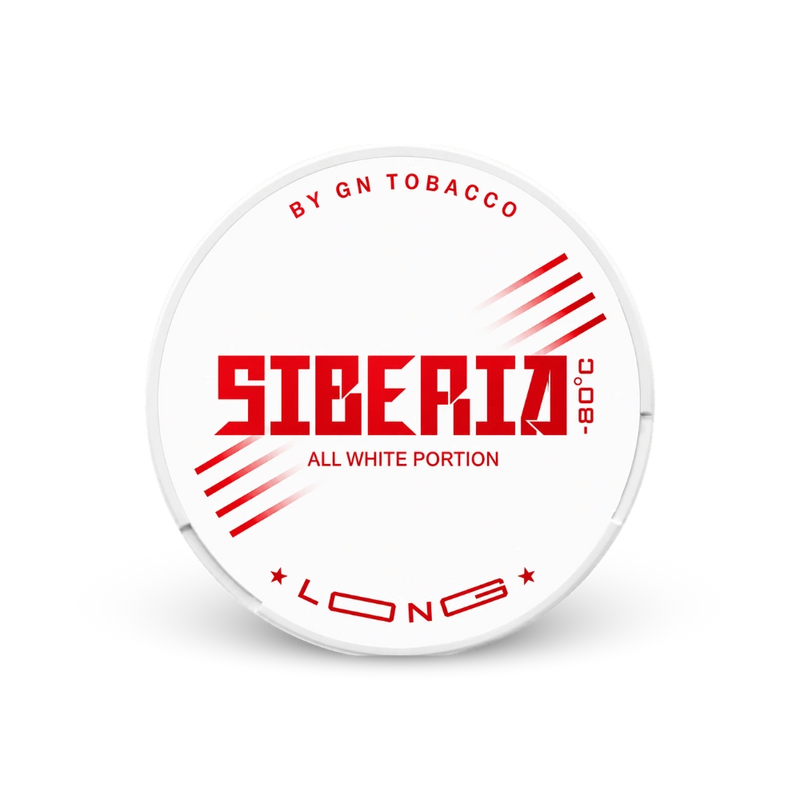
- Ultra strong (31 to 65 mg/g): The absolute limit. Siberia -80 Degrees is the world's best-known product in this category, and even among heavy users it divides opinion.
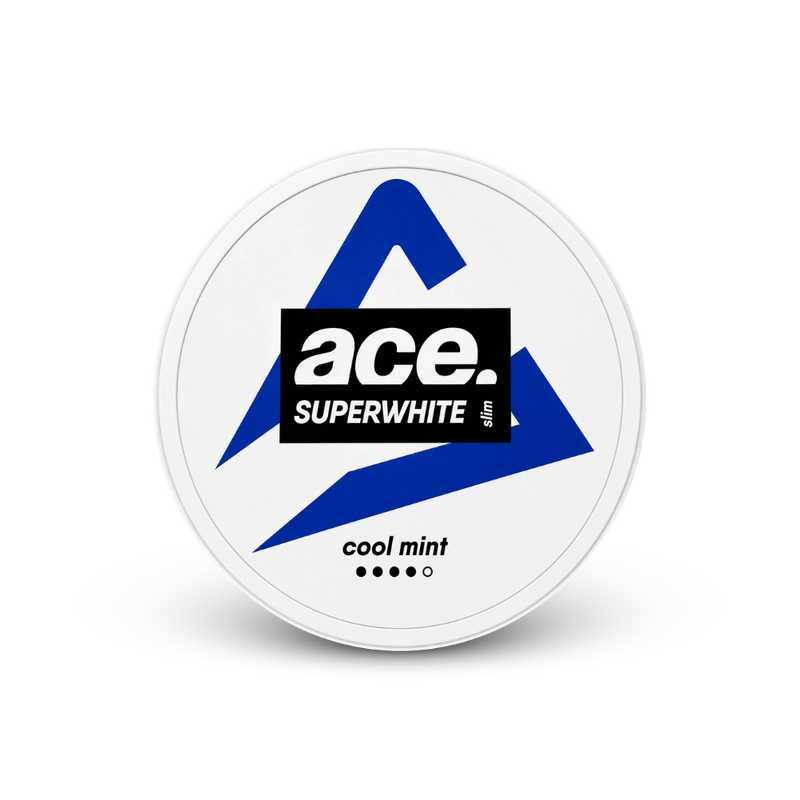
Then there are the formats: Regular, White, Slim, Mini. White Portions release nicotine more slowly, less salivation, more discreet in everyday life. Slim sits narrower under the lip. Mini is well suited for beginners or for situations where discretion matters.
Snus and the law
Snus with tobacco still exists, but its sale is not permitted in the EU; the only exception is Sweden, which has its own special regulation. Nicotine pouches contain nicotine but no tobacco, and are sold exclusively to adults aged 18 and over. Rules for nicotine pouches are set at national level and differ from one European country to the next — see our country-by-country overview.
What matters when buying
A few practical points that make a difference:
- Assess your strength realistically, start with lighter varieties and work your way up
- Freshness matters: snus has a best-before date, and it keeps significantly longer in the fridge
- Only order from suppliers who take age verification seriously
- Look up terms like "Snus", "Nicotine Pouches" or "All White" in the glossary if anything is unclear
Everything you need to get started on an informed basis
Snus is not a hype — it is a centuries-old format that has endured for good reason: it works, it is discreet, and those who know the right products know what they are doing. Classic tobacco snus contains tobacco. Tobacco-free nicotine pouches do not. Both contain nicotine, both are addictive.
If you're new to it: use the Nicotine Calculator to find the right strength, check the key terms in the Snus Glossary, and start with a light variety. The rest will follow naturally.
Want to dig deeper? Our complete snus and nicotine pouch guide brings together all our articles on legality, health, strength levels and brand comparisons in one place.


