

Table of contents
- What Does mg/g Mean in Snus? mg/g vs. mg/Pouch Explained ›
- Snus Strength Table: From Mild to Ultra Strong ›
- Pablo, Killa & Co.: Snus from 30 mg/g ›
- Which Snus Strength Is Right for You? ›
- Snus Format Differences: Mini, Slim or Regular? ›
- Snus Strength Scale: Why the Labels Mean Nothing ›
- Common Mistakes When Comparing Snus Strengths ›
- Conclusion ›
You want to buy a snus, look at the can – and see flame icons, a star scale, somewhere "16 mg/g" and on another can "12 mg/pouch". Three different brands, three different systems, none of them self-explanatory. This snus strength comparison clears that up: what the numbers mean, where the strength levels lie, what format has to do with it – and why the flame icon on the can alone tells you nothing.
What Does mg/g Mean in Snus? mg/g vs. mg/Pouch Explained
Both – but for different things.
mg/g is the nicotine concentration in the filling material of the pouch. "16 mg/g" means: one gram of filling contains 16 mg of nicotine. Useful for comparing two products in the same format.
mg/pouch is the total nicotine in the single pouch you put in. That's the more practically relevant figure – especially when comparing products in different formats (Mini, Slim, Regular).
Example: A mini pouch with 20 mg/g often weighs only 0.5 g → 10 mg/pouch. A regular format with 14 mg/g weighs 1.1 g → 15.4 mg/pouch. The mini has the higher concentration, but delivers less total nicotine.
If you mix brands or formats, always look at mg/pouch. If you stay within one brand in the same format, mg/g is sufficient.
Snus Strength Table: From Mild to Ultra Strong
This classification by mg/pouch has established itself as the industry standard – even if individual brands deviate from it:
| Strength | mg/Pouch | mg/g (approx.) | For Whom |
|---|---|---|---|
| Nicotine-free | 0 mg | 0 | Those who enjoy the ritual without nicotine |
| Mild | 0.1 – 5.9 mg | up to ~7 | Absolute beginners |
| Normal | 6 – 9.9 mg | ~8 – 12 | Beginners, light ex-smokers |
| Strong | 10 – 14.9 mg | ~12 – 18 | Experienced users |
| Extra Strong | 15 – 19.9 mg | ~18 – 25 | Regular users with tolerance |
| Ultra Strong | from 20 mg | from ~25 | Experienced users only |
These are reference values. The subjective experience varies – wear time, saliva flow and individual tolerance all play a role.
Pablo, Killa & Co.: Snus from 30 mg/g
These brands play in a league of their own. Pablo Exclusive comes in at ~50 mg/g, Killa ranges between 16 and 30 mg/pouch depending on the variety, and Iceberg Black Extreme holds the unofficial record on the current market at 150 mg/g.
Such values are possible because all these products are tobacco-free: instead of drawing nicotine from the tobacco leaf, it is added synthetically – without a natural upper limit. With real snus, even the strongest traditional varieties top out at around 40–45 mg/g. Tobacco-free nicotine pouches can far exceed that.
For beginners, products in this range are not suitable – but for users who have built up tolerance and experience in the ultra-strong range, Pablo, Killa and Iceberg are exactly the right choice. Important: keep wear times significantly shorter than usual, and never start on an empty stomach.
Which Snus Strength Is Right for You?
You're Just Starting Out
Normal strength, 6–9 mg/pouch, slim format. For the first few times, leave the pouch in for only 10–15 minutes and see how it feels. Nicotine absorption through the oral mucosa is slower than smoking, but it lasts longer – most people underestimate this. The mistake many make: because they don't want to appear inexperienced as beginners, they immediately reach for "Strong" or a product that looks like a real snus used by people who know what they're doing. Then the pouch sits in for 30 minutes, and suddenly it's too much. Dizziness, sweating, feeling unwell. This doesn't have to happen. With normal strength you feel the effect, but can still control well how long you keep it in.
You Used to Smoke
Many ex-smokers assume their nicotine tolerance transfers directly. That's not really true. When smoking, nicotine is absorbed through the lungs – quickly, but briefly. With snus, absorption occurs through the oral mucosa, more slowly but constantly throughout the entire wear time. The result is a different experience, even with the same mg amount. Many ex-smokers are surprised how intense even 8–10 mg/pouch can feel, compared to what they were used to from smoking. Therefore: don't go straight to Strong or Extra Strong, but start with 8–12 mg/pouch and observe for a week. You can always go higher later.
You've Been Using Snus for a While
Those who already use snus regularly usually have a good sense of what works. Strong to Extra Strong – that is, 10–16 mg/pouch – is the range in which most experienced users operate. Here it's especially worth looking at the specific mg figure rather than the label. If you try a new brand, their "Strong" might be at 10 mg while you were used to 14 mg from your old brand – you'll notice that, and not in a good way. A quick check, compare, then order.
Ultra Strengths
From 20 mg/pouch upwards – this is the range for users with built-up tolerance who know exactly what they're doing and are specifically looking for more intensity. Keep wear times shorter than usual, not on an empty stomach, and when trying a new ultra-strong variety for the first time, start conservatively. You can find the full ultra-strong range directly in the shop.
Snus Format Differences: Mini, Slim or Regular?
This is the point most people ignore when comparing. Two products with identical mg/g can feel completely different if the format differs – because the pouch weight and the contact area with the oral mucosa directly influence nicotine delivery.
- Mini – Small, light pouch, often under 0.6 g. Little surface area, slow and dampened release. Good for on the go or for situations where discretion is important. Also ideal as an entry point, because the effect builds up more slowly and is easier to control.
- Slim – By far the most popular format, and for good reason. Narrow, sits discreetly under the lip, available from almost every brand in almost all strengths. Good balance between discretion and actual nicotine delivery. The standard choice for most users.
- Regular / Large – Larger pouch, more filling, more contact area. Nicotine delivery is noticeably faster and more intense than with the slim format. Less discreet – you can see and feel the pouch more clearly – but with full effect in less time.
In concrete terms, this means: someone switching from slim to regular without changing the mg/g will still feel a stronger effect – because the pouch is heavier and has more surface area. This often happens when trying a new brand that carries the same strength label but a different format. Always factor in the format, not just the strength.
Snus Strength Scale: Why the Labels Mean Nothing
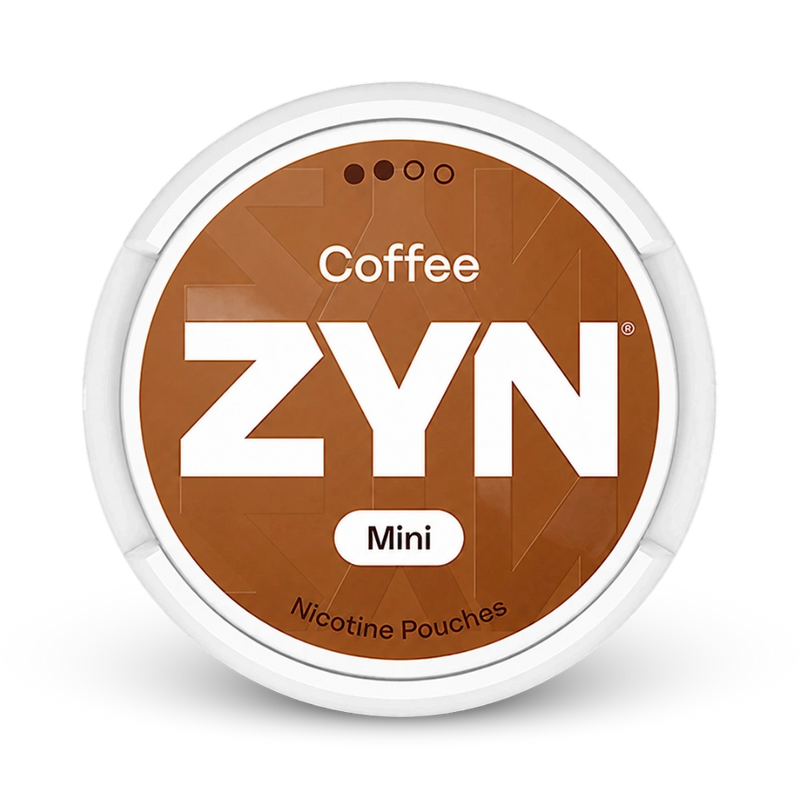
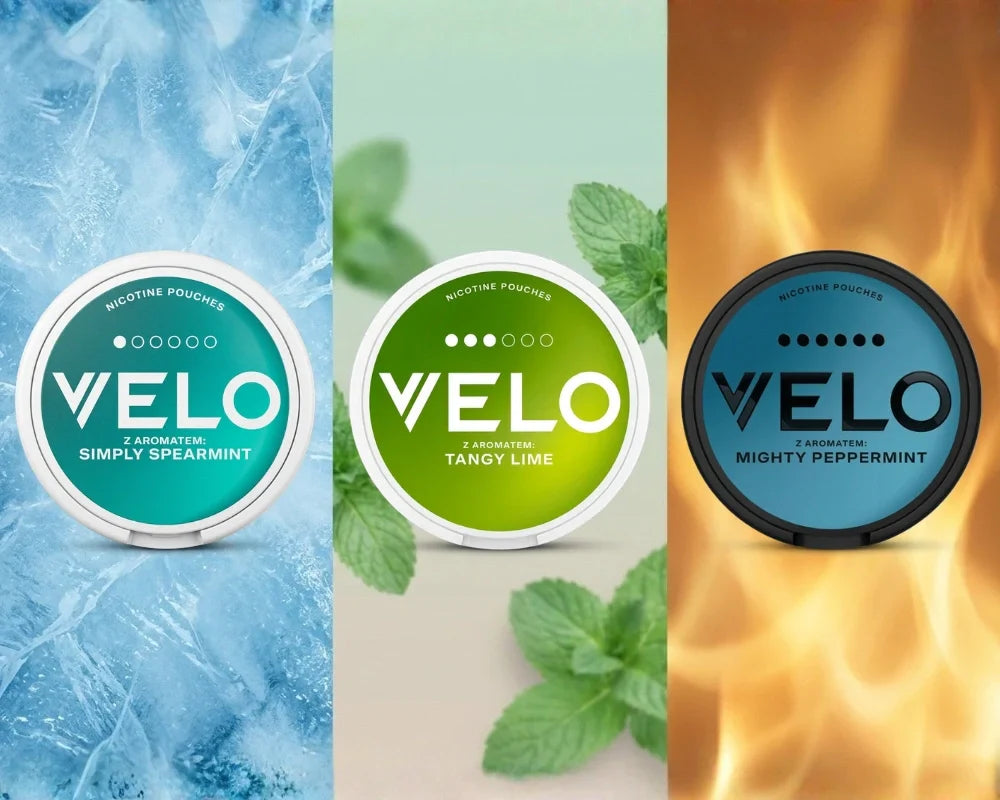
Stars, flames, bars, chili symbols – every manufacturer builds their own strength scale, and none of them are obliged to adhere to any standard. That sounds like a problem at first, but it actually has a logical explanation: a brand that sells exclusively strong products calibrates its scale to its own product range. What counts as "Normal" there is already "Extra Strong" elsewhere.
The result: a "Strong" from Brand A might be at 10 mg/pouch, a "Regular" from Brand B at 13 mg. Four flames here, two there – the numbers say more than the icons. This isn't deception, just a missing standard. And those who don't know this regularly end up buying the unexpected.
Therefore: use strength labels to understand a brand's range internally – i.e. whether product A from that brand is stronger than product B. For comparisons across brands, always refer back to mg/g or mg/pouch. Only the numbers apply universally.
Common Mistakes When Comparing Snus Strengths
"More mg/g = more nicotine in the body."
Not necessarily. The actual absorption depends on several factors: wear time, saliva flow, mucosal blood flow and pouch weight all play a role. A highly concentrated pouch worn for 10 minutes can deliver less nicotine than a weaker one worn for 45 minutes. mg/g is the concentration in the material – how much of that enters the body is determined by the combination of contact area, time and individual physiology. This also explains why some people feel more at "Normal" than others do at "Strong".
"As a smoker, I can handle ultra-strong straight away."
No – and this is a misconception that persists stubbornly. Smoking and snus are two fundamentally different routes of absorption. With smoking, nicotine enters the bloodstream very quickly via the lungs, the peak is high but brief. With snus, absorption runs constantly and slowly through the oral mucosa – the effect builds up over 20–40 minutes and lasts longer. The result: nicotine tolerance from smoking does not protect against getting a nicotine overload from too high a snus strength. Dizziness, nausea, cold sweats – those are the symptoms, and they usually come when you've already had the pouch in for 30 minutes and it's too late.
"Tobacco-free pouches are weaker than real snus."
By now that's almost the opposite. Classic snus contains nicotine exclusively from the tobacco leaf – which sets natural limits, because tobacco only contains as much nicotine as it contains. Traditional Swedish snus tops out at around 40–45 mg/g even in the strongest varieties. Tobacco-free nicotine pouches, on the other hand, are filled with synthetic or extracted nicotine, which means there is no natural upper limit. Brands like Iceberg or Pablo therefore produce products with 50, 100 or even 150 mg/g – figures that simply couldn't be achieved with real tobacco.
Conclusion
mg/pouch is the most important figure when comparing strengths – especially if you mix brands or formats. Labels, flames and stars on the can only help within a single brand. For newcomers: normal strength (6–9 mg/pouch), slim format, short wear time. For those who want to increase: do so in small steps, and be careful on an empty stomach.
All snus products in the shop are filtered by strength – from Mild through Strong and Extra Strong to Ultra Strong. Go straight to the right level.
Strength is only one dimension of choosing well: the full snus and nicotine pouch guide also walks through legality, health topics and brand-by-brand comparisons.


