










Table of contents
- Which snus is good for beginners? ›
- Light snus and snus with little nicotine: what is actually in them? ›
- Snus strengths explained: what mg per pouch means ›
- Slim, mini and all white: which format suits a first try? ›
- Tobacco snus or nicotine pouches as a starting point? ›
- What happens the first time you try snus? ›
- How long do you keep a pouch in on your first try? ›
- Popular snus brands and types for starters ›
Anyone looking at nicotine pouches for the first time usually reaches the same answer: light products with 1 to 5 mg of nicotine per pouch, in a mini or slim format. That is the range most first-time users select, and it is the range where the smallest pouches and the mildest flavours sit. The rest of the decision depends on three labels on the can: the milligram figure, the format name and the brand. All three follow systems that are easy to read once you know what they mean.
Nicotine pouches are small white portions of plant fibre, nicotine salt, flavouring and sweetener, placed under the upper lip. They contain no tobacco, which makes them a separate product category from Swedish traditional snus, even though the word snus is used for both in everyday speech.
Which snus is good for beginners?
A light pouch of 1 to 5 mg in a mini or slim shape is the typical entry product, because it combines the lowest nicotine content on the market with the smallest physical size. Two things make a first pouch uncomfortable: nicotine content that is higher than expected, and a pouch that feels bulky under the lip. Light mini formats reduce both at once.
The light range from 1 to 5 mg per pouch is where the mini formats of the best-known brands sit, most of them between 3 and 5 mg per portion. Above that sits the medium band from 6 to 10 mg, which is where many regular users settle. Products labelled strong or extra strong sit above the medium range and are aimed at people with an established nicotine habit.
Flavour matters more than beginners expect. Mint and menthol variants produce a cooling, slightly sharp sensation under the lip that is noticeable on its own. Fruit, citrus, cola and coffee variants feel softer in the mouth, which is why many first cans are berry or citrus rather than strong mint.
Light snus and snus with little nicotine: what is actually in them?
Light pouches use the same construction as stronger ones and simply carry less nicotine salt per portion. The filling is mostly plant fibre or cellulose, plus water, a pH regulator, flavouring and sweetener. The nicotine is added as a salt, and the quantity is what separates a 3 mg pouch from a 20 mg pouch.

Low nicotine content has a direct effect on how much the pouch is noticed. A 3 mg mini releases a smaller amount of nicotine over the same wear time than a 10 mg slim pouch, and the sensation under the lip is correspondingly weaker.
There is also a group with no nicotine at all. These pouches contain fibre, flavour and sweetener only, and some add caffeine instead. They give the mouth-feel and the flavour without the nicotine effect, which is why some people use them alongside regular nicotine pouches.
Check whether a can states milligrams per pouch or milligrams per gram. The two numbers look similar on a label and describe very different amounts.
Snus strengths explained: what mg per pouch means
Milligrams per pouch tells you how much nicotine the whole portion contains, while milligrams per gram tells you the concentration in the filling material. Tobacco-free pouches from brands such as ZYN, VELO and CLEW are almost always labelled per pouch. Some products instead state nicotine per gram.
The conversion is simple arithmetic: multiply the concentration per gram by the weight of the portion to estimate the nicotine content of that pouch. A smaller format such as a mini contains less filling material than a slim pouch, so the same concentration gives clearly less nicotine per portion.
The two bands that matter for a first can are sorted by milligrams per pouch:
| Band | Nicotine per pouch | Formats you mostly find there |
|---|---|---|
| Light | 1 to 5 mg | Mini and slim |
| Medium | 6 to 10 mg | Slim, some mini |
| Above the medium range | Stronger products, declared per pouch | Mostly slim |
Not all of the declared nicotine reaches the user. Part stays in the fibre and part is swallowed with saliva, so the figure on the can is an upper limit for the portion, not an absorbed dose. Which brands reach the highest declared values is covered in the strength comparison by milligrams per pouch. A rough comparison with cigarettes is a separate question, because absorption through the oral mucosa and through the lungs follow different curves.
Slim, mini and all white: which format suits a first try?
Mini is the smallest and least noticeable shape, slim is the standard, and all white describes the dry surface rather than the size. Format changes how a pouch sits under the lip and how much moisture it releases, which for a first can matters as much as the milligram figure.
- Mini: short and narrow, the smallest and least noticeable format. Common in the light band.
- Slim: long and flat, follows the curve of the gum.
- Regular or large: thicker, more filling volume and a stronger physical presence under the lip.
- All white: white fibre material with a dry or lightly moistened surface. It stains less and releases less liquid than moist brown portions.
Dry all white pouches take longer to start releasing flavour and nicotine because they need saliva first. Moist pouches react within seconds, which feels more intense at the beginning. Where the pouch sits is explained in the guide on using snus correctly.
Tobacco snus or nicotine pouches as a starting point?
Tobacco snus and tobacco-free nicotine pouches differ in filling material, taste and legal treatment across the EU. Swedish snus contains ground, heat-treated tobacco and carries the taste of that tobacco, usually earthy and salty. Nicotine pouches contain no tobacco leaf and taste of whatever flavouring was added.
The legal side is the reason most European buyers encounter pouches first. EU and national rules on oral tobacco products vary considerably between countries. The text is available at EUR-Lex. Rules on tobacco-free nicotine pouches can also differ from country to country, covering areas such as nicotine limits and age restrictions.
For a first attempt, the practical difference is taste and moisture. Moist tobacco portions release brown liquid and leave a distinct tobacco flavour. White pouches stay drier and taste of mint, berry or citrus. The full breakdown sits in snus versus nicotine pouches.
What happens the first time you try snus?
A first pouch is normally noticed under the lip within the first minute, and the effect of the nicotine follows shortly after. The sensation under the lip is a tingling or slightly sharp feeling. Flavour compounds such as menthol add a cooling effect of their own, independent of the nicotine content.
Nicotine is absorbed quickly through the oral mucosa, which is why the effect appears sooner than with routes that pass through the stomach. How strongly it is perceived varies between people and between products.
Nicotine is addictive, a point the World Health Organization states clearly in its tobacco fact sheet. What the substance does in the body, and which reactions are reported, is described in the articles on snus effects and snus side effects. Irritation under the lip normally fades once the pouch is removed.
How long do you keep a pouch in on your first try?
Manufacturers state a wear time that varies by product, usually printed on the can. The figure is printed on many cans or given on the product page, and it reflects how long the pouch keeps delivering flavour, not a required duration.
Nicotine release is fastest at the beginning. Once saliva has soaked the fibre, the concentration in the mouth rises quickly and then flattens, so the last quarter of the wear time contributes much less than the first. That is why two people using the same pouch for different lengths of time end up with noticeably different effects.
Flavour fades before the nicotine does, which is the signal most users rely on. The detailed version, including what changes between mini and slim portions, is in the article on how long a pouch stays in.
Popular snus brands and types for starters
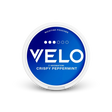
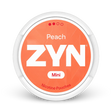
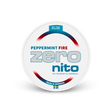
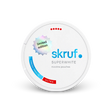
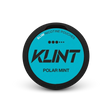
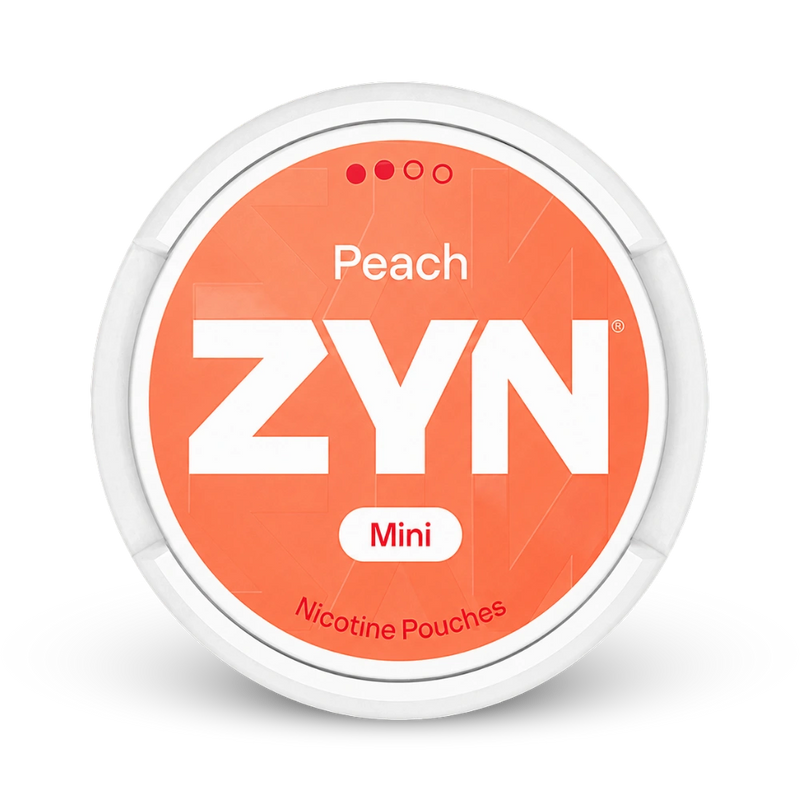
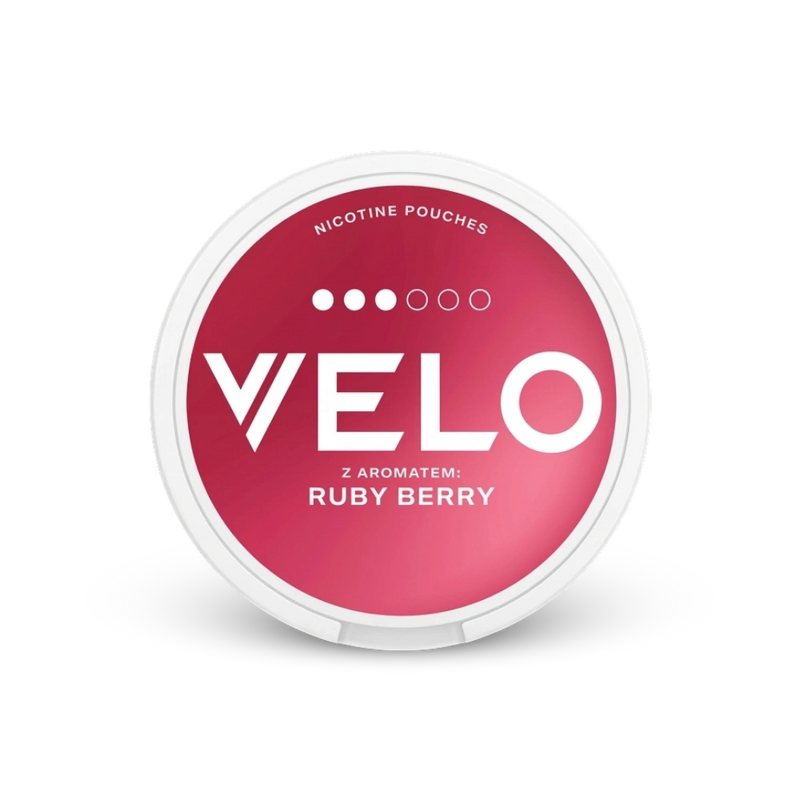
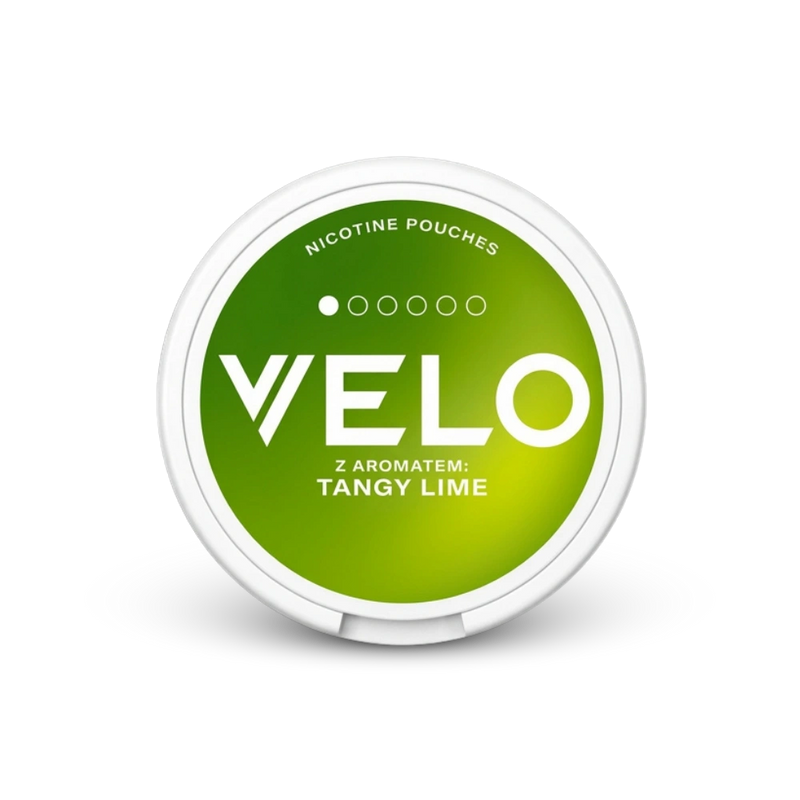
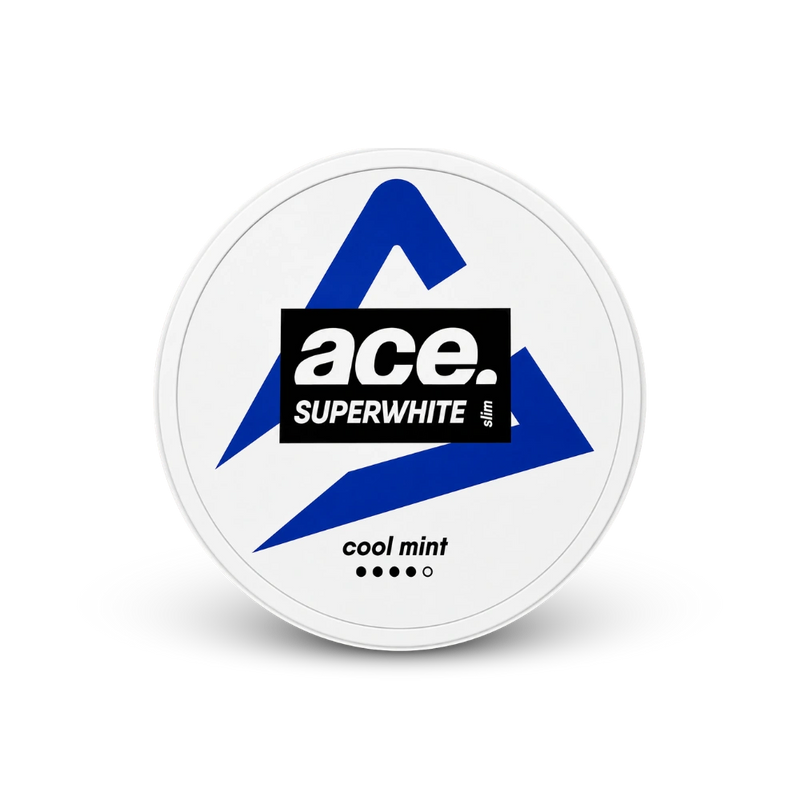
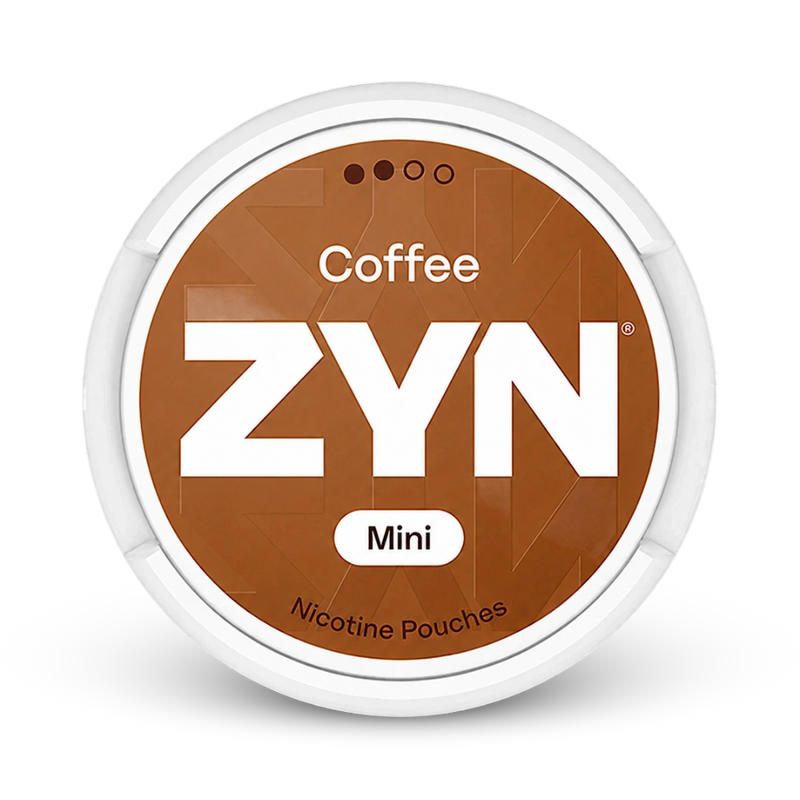
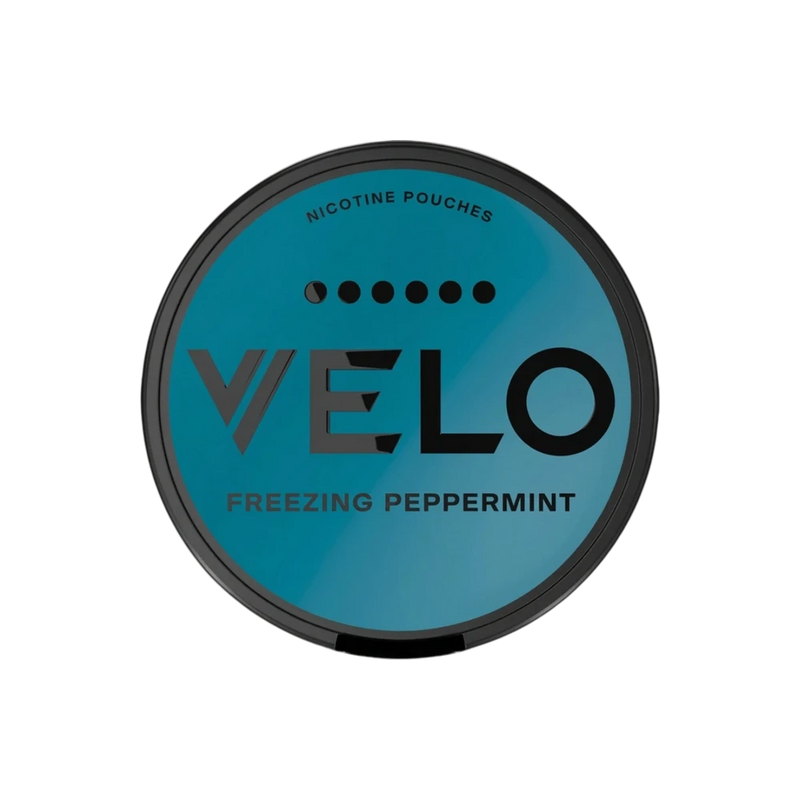
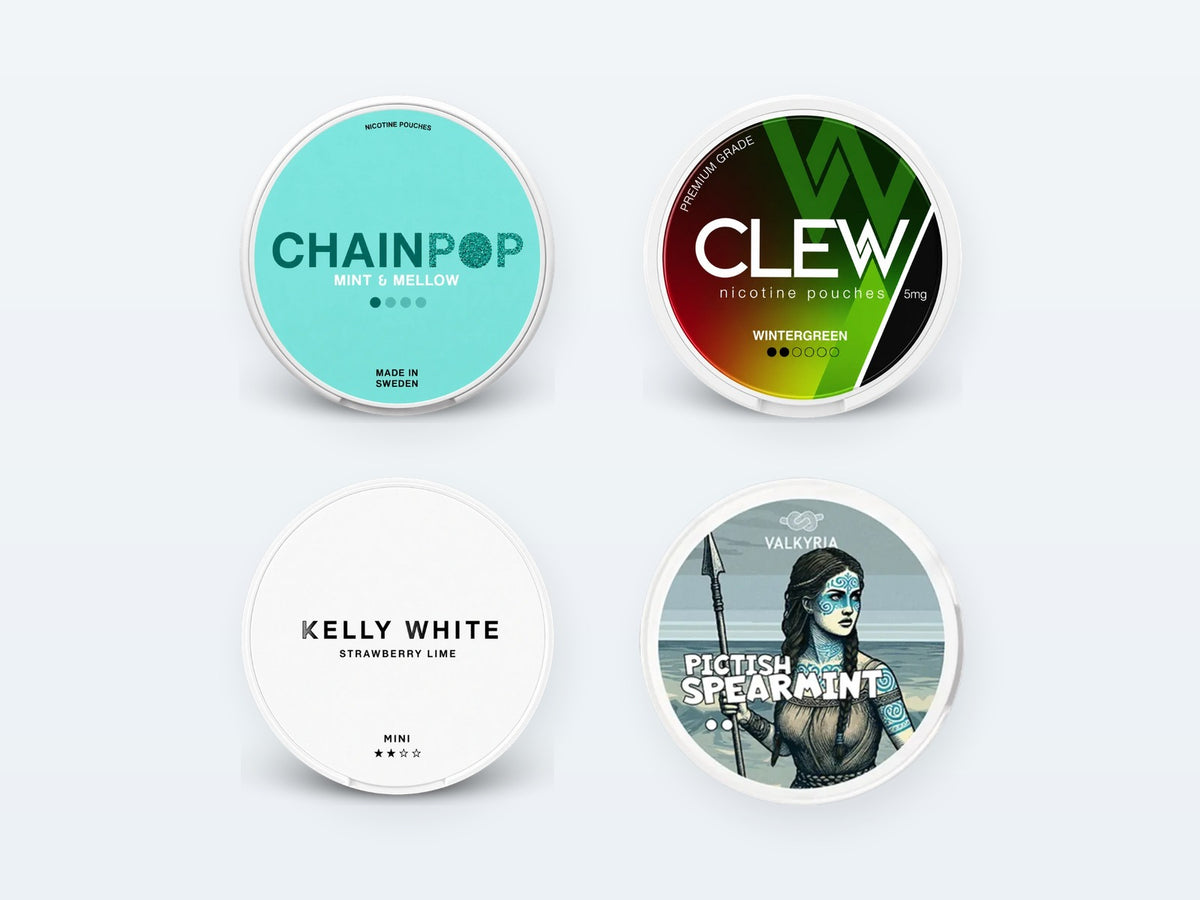
ZYN, VELO, CLEW, KLAR and Klint are among the brands found in the light and medium bands. They differ in pouch material, moisture level, flavour intensity and how finely the strength range is graded.

- ZYN: mini formats in the light band and slim formats across several strength steps, with mint, citrus, coffee and liquorice variants.
- VELO: mini and slim formats, with mint and ice flavours alongside fruit variants.
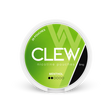
- CLEW: a compact 5 mg line covering spearmint, menthol, coffee, citrus, blueberry and watermelon, all at the same strength.
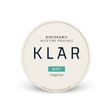
- KLAR: mini pouches with flavour combinations such as blueberry mint and strawberry basil.
- Klint: soft pouches.
- Helwit and Kelly White: fruit-led ranges with cola, cherry, raspberry liquorice, melon and strawberry variants in slim and mini formats.
Differences between brands are mostly a matter of moisture and flavour intensity, both of which change how strong a pouch feels at the same milligram figure. The brand comparison sets the best-known names against each other, and the bestseller list shows which products are ordered most often.
Find the right pouch
Compare strengths, flavours and brands in our shop.
For adults 18+ only. Nicotine is an addictive substance. We sell the products mentioned in our guides. Our editorial content is written independently.


