













You see someone sliding a small pouch under their lip. Not unusual, but sometimes you wonder: Is snus a drug? The question sounds like it has a yes-or-no answer. In reality, there's more to it — namely the difference between scientific definition, legal classification, and what most people understand in everyday life. Also: snus with tobacco and nicotine pouches are two different things, even though both are often lumped together.
Anyone who wants to understand from the ground up whether snus or nicotine pouches should be classified as a "drug" must first understand what the term actually means and which products are being referred to. Then be sure to read on.
Important: As a basic understanding, it must be clear what a drug actually is.
What exactly is a "drug"?
In everyday language, the word is almost always associated with illegal substances. Scientifically, however, that view is too narrow. Generally speaking, "drugs" are understood to be psychotropic substances — that is, substances that affect a person's psyche. These include, for example:
- Alcohol
- Nicotine
- Caffeine
- Medications
Key point: The crucial distinction is not legal versus illegal, but psychoactive versus non-psychoactive.
Colloquially, a distinction is made between "legal" psychoactive substances such as alcohol and nicotine, and "illegal" psychoactive substances such as cocaine or hashish. Caffeine in coffee, alcohol in beer, nicotine in cigarettes: all drugs in the scientific sense, just socially accepted and legally permitted. The question is therefore not whether something is psychoactive, but which legal category it belongs to.
Nicotine: Psychoactive, legal, addictive
Short answer: By definition, nicotine is a drug. Nicotine is a psychoactive substance with a high addiction potential. Nicotine addiction is classified under ICD-10 as a mental or behavioural disorder due to psychotropic substances. This is the official classification of the World Health Organization. The Federal Government Commissioner for Addiction and Drug Issues also explicitly lists nicotine as an addictive substance.
Nicotine enters the bloodstream via the mucous membranes and from there reaches the brain. It has a stimulating effect on specific receptors and promotes the release of adrenaline, dopamine and serotonin, which makes it strongly psychologically addictive. In addition, regular doses of nicotine lead to changes in the brain that then cause withdrawal symptoms when nicotine intake stops. This explains the well-known kick as well as the urge for the next dose. Alongside alcohol, nicotine is the most widely used legal drug in Germany.
Is snus a drug by definition?
This is where it becomes important to draw a clear distinction. Because "snus" is often used in everyday language as an umbrella term for two fundamentally different products: classic tobacco snus on one hand, and tobacco-free nicotine pouches on the other. A precise answer to the question "Is snus a drug?" requires knowing which product we're talking about. That's why we'll look at both separately.
Snus vs. Nicotine Pouches: What's the difference?
The difference between tobacco snus and nicotine pouches is neither cosmetic nor irrelevant. It determines how a product is legally classified, what's inside it, and whether you can legally buy it in Germany. Here is a direct comparison of the key points:
- Tobacco snus consists of ground tobacco with naturally contained nicotine. It is placed orally under the lip and releases nicotine through the oral mucosa. Legally, it falls under the EU Tobacco Products Directive and is not permitted to be sold in Germany as a tobacco product for oral use.
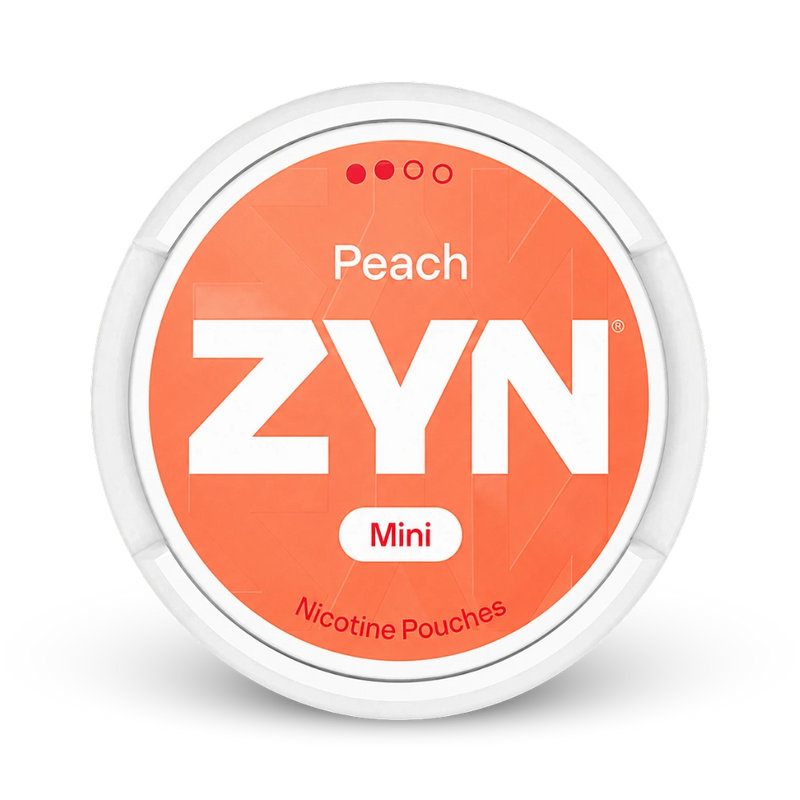
- Nicotine pouches consist of plant fibres, isolated nicotine, flavourings and other additives. They contain no tobacco and therefore do not fall under the Tobacco Products Act. The application is identical: pouch under the lip, nicotine is absorbed through the mucous membrane.
Both contain nicotine: The key difference lies in the composition: tobacco versus tobacco-free carrier material.
In the shop you will find exclusively nicotine pouches, i.e. tobacco-free products. Confusing them with tobacco-containing snus would be factually incorrect. All important terms relating to snus and nicotine pouches are concisely explained in the Snus Glossary.
Legal classification in Germany
Tobacco snus: Sale is prohibited
The legal situation for tobacco-containing snus in Germany is clear. The EU Tobacco Products Directive 2014/40/EU was transposed into German law in 2016 with the Tobacco Products Act. Since then, it has been prohibited to place tobacco products for oral use on the market in Germany. This applies to all trade — both retail sales and online shops delivering to Germany.
Private possession and consumption of snus, however, are not punishable offences. Private individuals may import snus from abroad for personal use, though only in limited quantities. Sweden negotiated a special arrangement upon joining the EU in 1995. There, snus remains permitted, but may not be exported to other EU member states. What sits freely on a shelf in Stockholm is not legally marketable in Berlin. More on the exact legal situation can be found in the article Is snus legal?
Nicotine pouches: No uniform regulation
For tobacco-free nicotine pouches, there are currently no uniform statutory requirements in Germany. Since they contain no tobacco, they do not fall under the Tobacco Products Act. However, their legal classification is still disputed: some authorities treat them under food law, which can also lead to restrictions at high nicotine levels. Individual authorities and legislators are currently discussing how nicotine pouches should be regulated in the future. Those who buy nicotine pouches should therefore keep an eye on developments.
Health classification: What do official bodies say?
Nicotine as an active substance is clearly classified as a psychoactive substance with addiction potential. The WHO, the BZgA and the Federal Institute for Risk Assessment (BfR) all agree on this. Anyone who uses nicotine pouches regularly is consuming nicotine, which can cause physical and psychological dependence. You should be aware of this.
At the same time, the difference in health risk profile compared to tobacco-containing snus cannot be ignored. Tobacco contains a wide range of substances beyond nicotine, including those associated with cancer. Nicotine pouches deliver nicotine without combustion and without tobacco, which alters the risk profile. More detailed information on this can be found in the articles on snus effects and possible snus side effects.
The answer is clearer than you think
In the scientific sense, snus is a drug — both original tobacco snus and all-white snus. Nicotine is a psychoactive substance that can cause physical and psychological dependence. Anyone who wants to call that a drug is correct from a scientific perspective.
- Tobacco snus is a prohibited substance in Germany under the Tobacco Products Act, but it is not an illegal drug under the Narcotics Act. The prohibition is based on EU tobacco law, not drug law.
- Nicotine pouches contain no tobacco and are therefore not subject to a sales ban based on tobacco law, but they exist in a legally inconsistently regulated grey area. The discussion on this in Germany is not yet concluded.
- Neither type of snus is comparable to substances subject to the Narcotics Act. This is an important distinction that is often missing from public debate.
Anyone who wants to dive deeper into exactly what nicotine pouches contain and how they differ from classic tobacco snus will find a solid starting point in the article What is snus.
Find the right pouch
Compare strengths, flavours and brands in our shop.
For adults 18+ only. Nicotine is an addictive substance. We sell the products mentioned in our guides. Our editorial content is written independently.


