







Table of contents
- How much nicotine is in snus and cigarettes? ›
- Differences between cigarettes and snus at a glance ›
- 1. Combustion vs. extraction ›
- 2. Smell and social acceptance ›
- 3. Discretion and freedom in everyday life ›
- 4. Duration of nicotine release: sprint vs. marathon ›
- 5. Passive exposure ›
- What's often missing from the comparison: Time control ›
- Siberia snus and cigarettes: the extreme case ›
- Formats and strengths ›
- What the comparison shows ›
You're at the bus stop, in a club, or at the office and you notice it: the urge for nicotine kicks in. While some people frantically search for their lighter and rush outside, others stay seated. They use snus, or more precisely, modern nicotine pouches.
But what distinguishes snus from cigarettes? Where do the real differences lie? We're doing a deep dive and taking a closer look at the most important points of comparison.
Snus or nicotine pouches: What's being compared here?
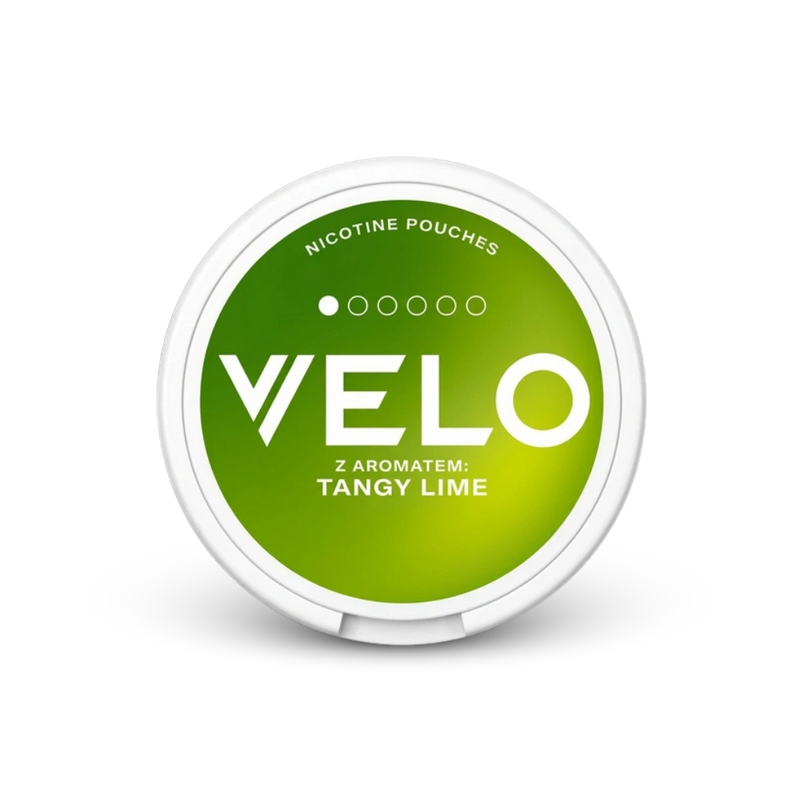
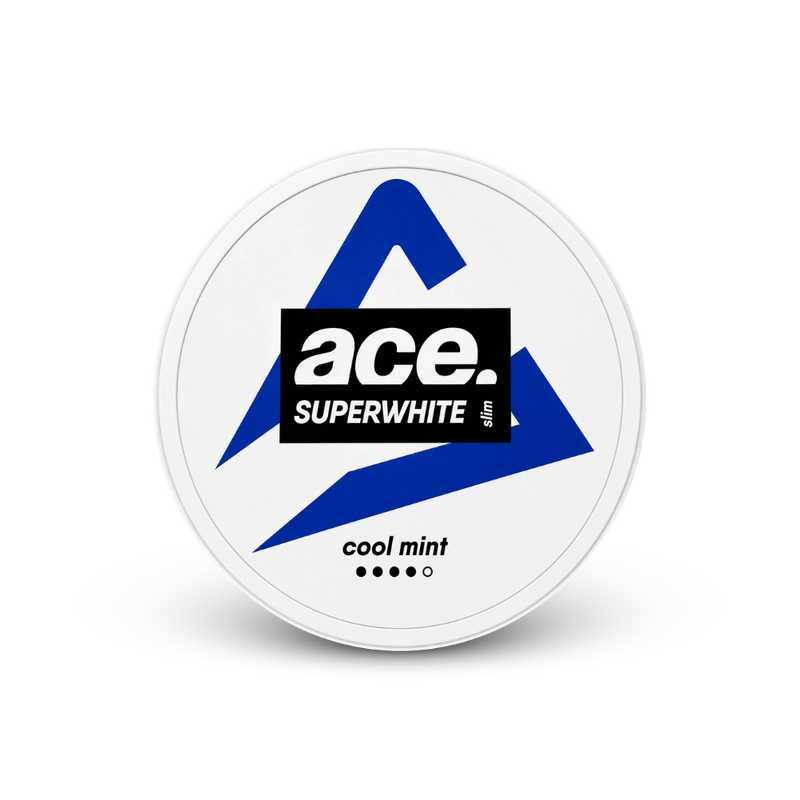
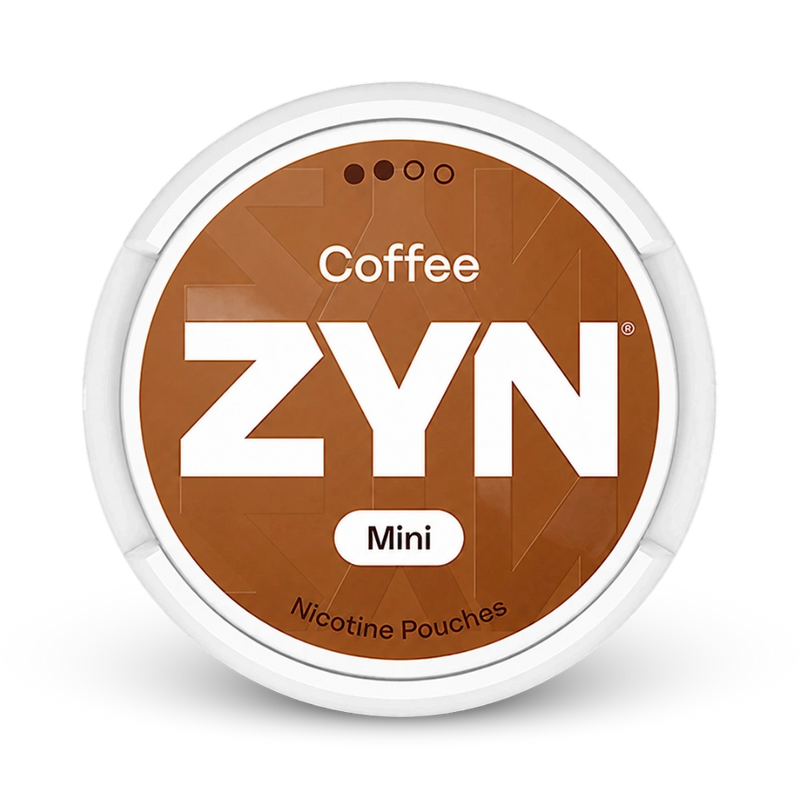
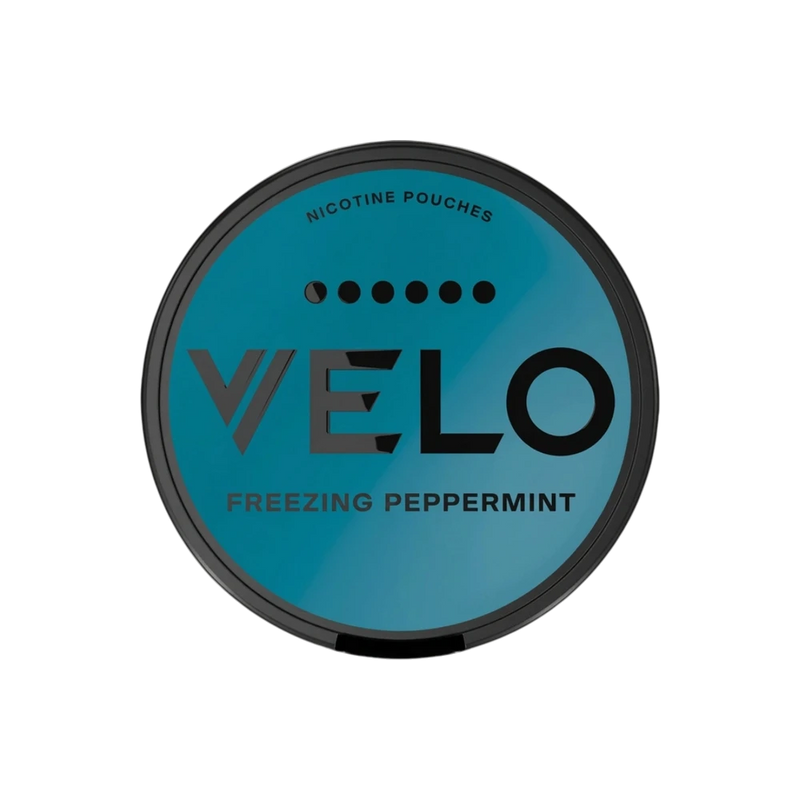
When we talk about "snus" here, we usually mean the modern, white pouches in everyday usage. For reference: real Swedish snus contains tobacco and is not officially legally available in the EU (except in Sweden). What you'll find with us are nicotine pouches: tobacco-free pouches with plant fibres and pure nicotine. They are used in the same way, but contain no tobacco. Throughout the rest of this article we use "snus" as the term everyone knows, but we mean the tobacco-free all-white pouches.
How much nicotine is in snus and cigarettes?
Nicotine content is the point that interests most people in a comparison. A conventional cigarette delivers around 1 to 2 mg of nicotine to your body when smoked. A lot simply burns off into the air. Snus covers a much broader range:
- Standard portions contain 4 to 10 mg per pouch; the medium strengths cover 6 to 10 mg.
- Strong variants come in at 11 to 20 mg per pouch.
- Extra strong products contain 21 mg or more per portion.
- Slim and mini portions in the light range sit at the lowest end of the scale, from roughly 1 to 5 mg per pouch.

Differences between cigarettes and snus at a glance

| Feature | Cigarette | Snus |
|---|---|---|
| Application | Smoked (inhalation) | Placed under the lip (oral) |
| Combustion process | Yes (approx. 600 to 900°C) | No |
| Smoke | Yes | No |
| Smell | Strong, lingers | Low to neutral |
| Combustion by-products | Tar, CO, carcinogens | No smoke, no combustion |
| Nicotine content | ~1 to 2 mg absorbed | 4 to 43 mg per portion |
| Discretion | Low | High |
| Social restrictions | Smoking bans everywhere | Hardly any restrictions |
| Duration of nicotine release | ~5 to 10 minutes | 20 to 60 minutes |
| Passive exposure to others | Yes (passive smoke) | No |
1. Combustion vs. extraction
Probably the biggest technical difference lies in the method of release. Cigarettes burn tobacco. As soon as you light the fuse, a chemical laboratory gets started: more than 4,000 compounds are produced, including tar, carbon monoxide, and a long list of proven carcinogens. So you're not just inhaling nicotine, but an entire package of combustion by-products.
Snus works in a fundamentally different way: the pouch sits discreetly under your upper lip. The nicotine is absorbed directly through the oral mucosa. The crucial point: Nothing is burned here at all. Where there is no fire, there is no smoke, no ash and no tar. That is a difference in what the product produces, not a verdict on what nicotine itself does to you.
2. Smell and social acceptance
Smoking leaves traces, and everywhere at that. The smell stubbornly clings to clothing, hair, and even skin. Non-smokers can often identify you as a smoker from metres away. Snus, on the other hand, is almost odour-neutral or has a subtle scent of mint or fruit. Your breath stays fresh, and those around you notice absolutely nothing about your consumption. This makes snus a far more socially compatible companion.
3. Discretion and freedom in everyday life
No lighter, no ashtray, no smoking break on the pavement. While smokers have to go outside in all weather, snus can be used in almost any situation: in the office, at the cinema, on the train, or even during sport. The portion sits invisibly under the lip. For an urban lifestyle, this means: enjoying nicotine without social stress and without the typical restrictions imposed by smoking bans.
4. Duration of nicotine release: sprint vs. marathon
A cigarette releases nicotine quickly, and the release ends after about 5 to 10 minutes. Snus is more of the marathon runner among nicotine products. A pouch releases nicotine steadily over a period of 20 to 60 minutes.
5. Passive exposure
When smoking, you drag uninvolved third parties into it. With snus there is no smoke, so the people around you are not exposed to it.
What's often missing from the comparison: Time control
Cigarettes have a built-in end: when the butt burns down, the session is over. With snus, you're in charge. You decide when to remove the pouch. This self-control is a massive advantage. Anyone who wants to know more about the effects of snus will find all the details there.
Siberia snus and cigarettes: the extreme case
Siberia Snus stands in a class of its own. With up to 43 mg of nicotine, it is among the strongest products of all. Compared to a cigarette, it's a completely different category. Products like this are listed under ultra strong snus products, the highest level of the shop's strength scale.
Formats and strengths
If you already use pouches, the practical questions are usually about format and strength rather than anything else. Our bestsellers show which products people buy most often. Two things worth knowing:
- Format changes the feel: slim portions sit more inconspicuously under the lip, while normal portions are more physically noticeable.
- Strengths vary a lot: the range runs from about 1 mg to over 40 mg per pouch. Higher strengths deliver more nicotine, not a better product.
What the comparison shows
To pull it together: the two products differ on most of the everyday points above. You are not tied to ashtrays or smoking areas, and there is no smoke or lingering smell for the people around you. The clearest technical difference is combustion. Burning tobacco produces tar, carbon monoxide and a long list of other combustion by-products; a pouch is not burned, so it does not produce them. That is a statement about what each product generates, not about what will happen to your health. Nicotine pouches still deliver nicotine, they are addictive, and they are not a harmless product.
For a daily life on the go, the main practical differences are smoke, smell and where each product can be used.
About this article. This is general information, not medical advice, and it is written by a search and content specialist rather than a clinician. Nicotine is an addictive substance. Nicotine pouches are not medicines and are not sold as a cessation aid. If you have questions about your nicotine use or a health condition, speak to your doctor or a pharmacist. Sale to adults aged 18 and over only.
Find the right pouch
Compare strengths, flavours and brands in our shop.
For adults 18+ only. Nicotine is an addictive substance. We sell the products mentioned in our guides. Our editorial content is written independently.