




Table of contents
- What Are Nicotine Pouches? ›
- What Is Chewing Tobacco? ›
- The Direct Comparison ›
- Tobacco-Containing Snus: The Swedish Variety ›
- What About Skruf Chewing Tobacco? ›
- Legal Status: What Applies in Germany? ›
- How Strong Are Nicotine Pouches Compared to Chewing Tobacco? ›
- What Suits You? Chewing Tobacco or Pouches ›
Snus and chewing tobacco look confusingly similar. Same tin, same size, same placement under the lip. Anyone holding both side by side for the first time honestly asks themselves: what's supposed to be different here? The difference is bigger than you'd think, and it starts with what's actually inside.
What Are Nicotine Pouches?
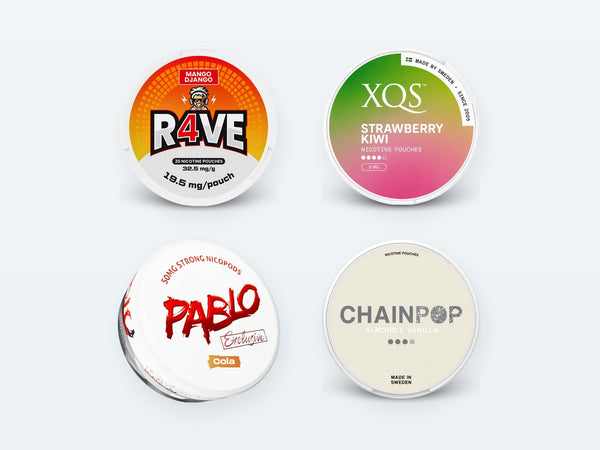
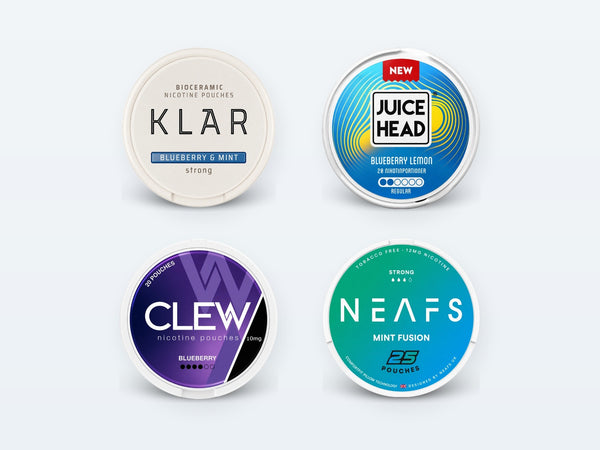
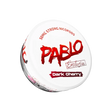
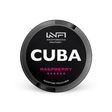
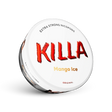
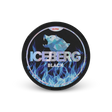
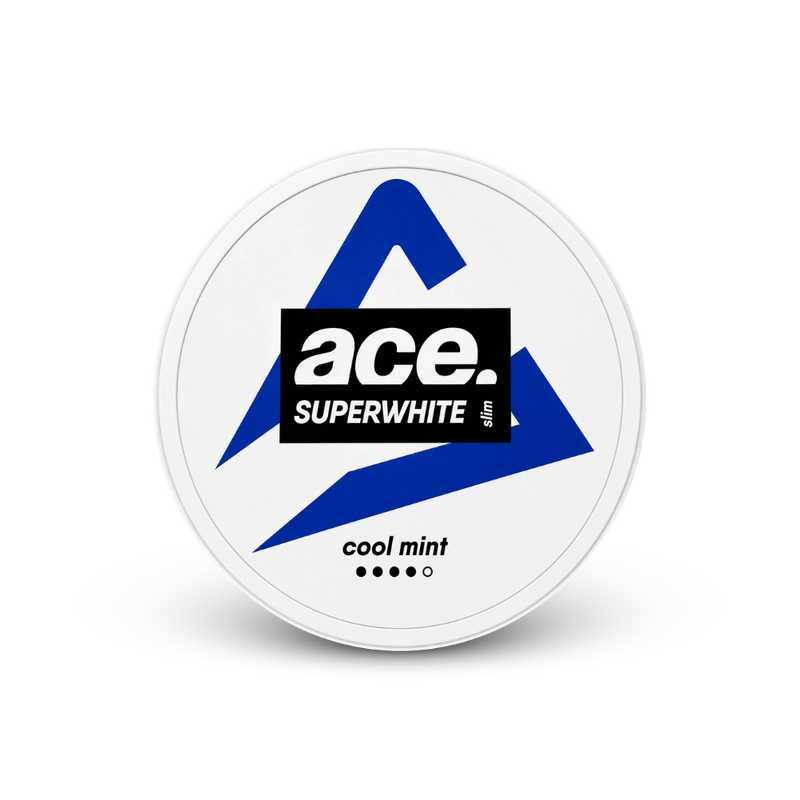
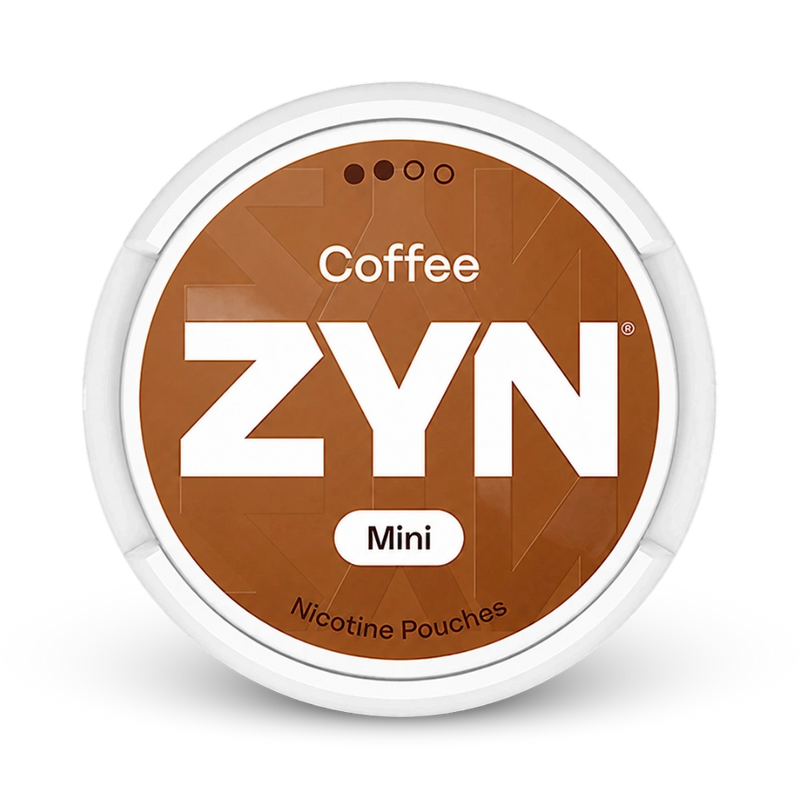
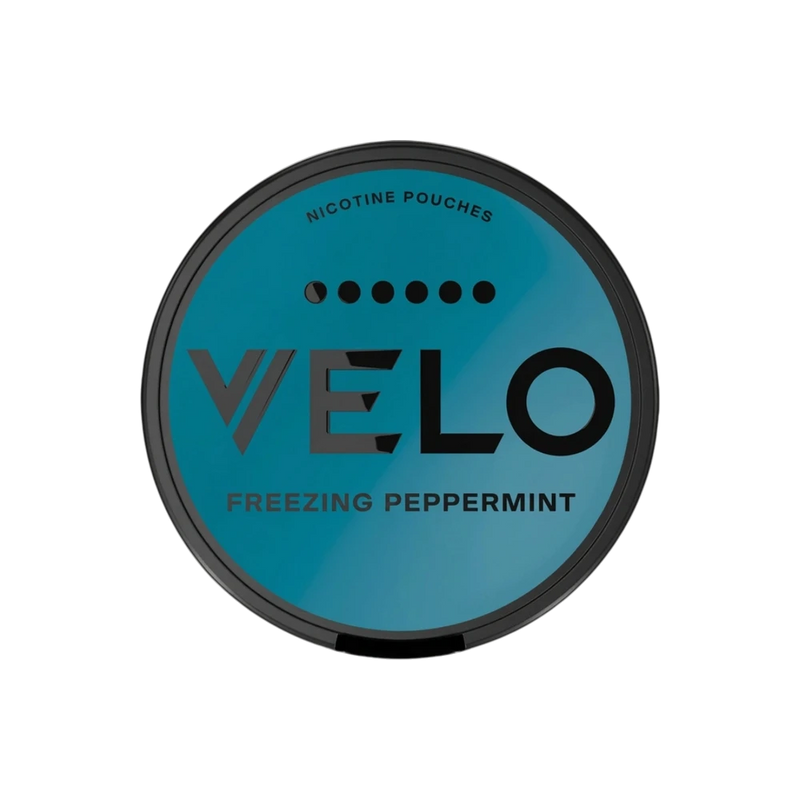
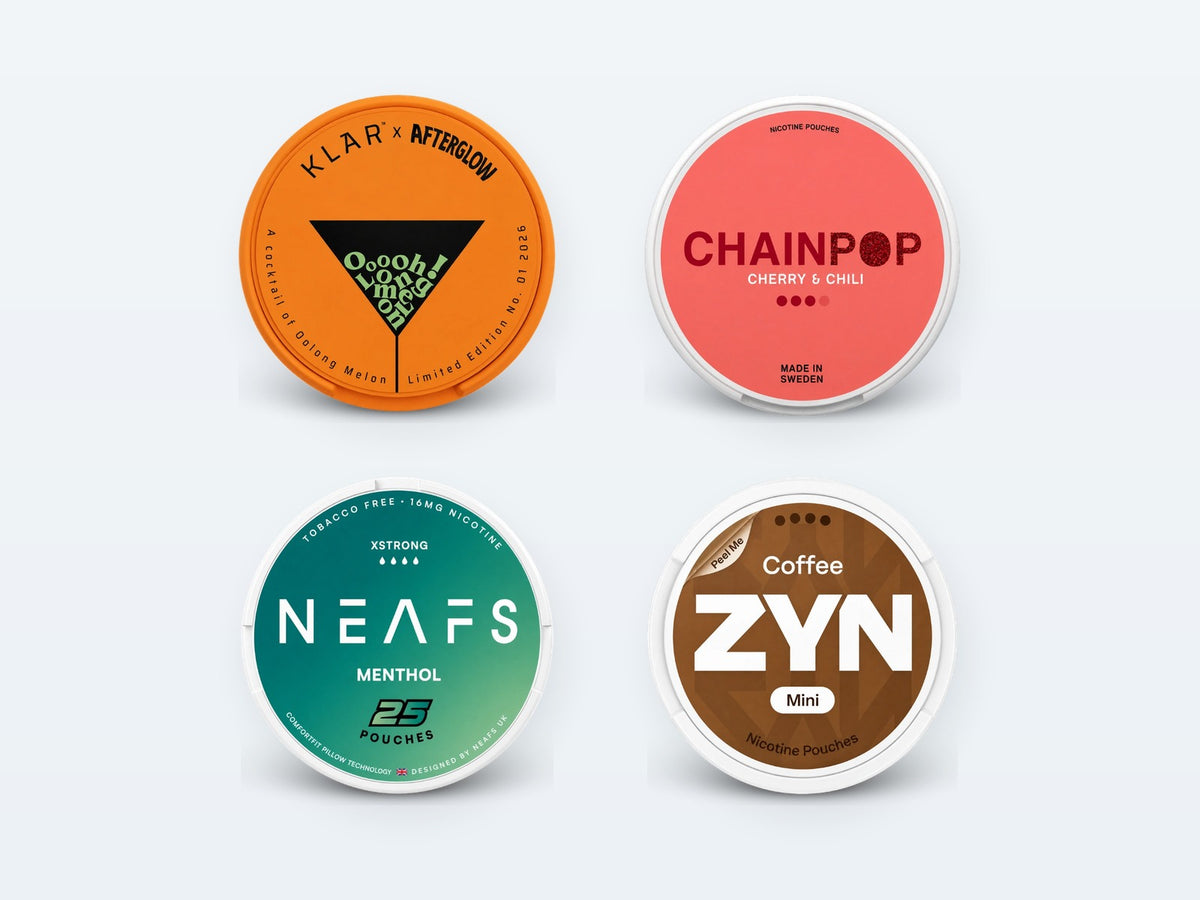
Nicotine Pouches, also known as snus or nicotine pouches, are small tobacco-free portion pouches placed under the upper lip. They contain no tobacco, but nicotine salts based on plant fibres, enriched with flavourings and humectants. The use is simple: take a pouch from the tin, place it under the lip, done. After about 20 to 45 minutes, the pouch is removed and disposed of.
Nicotine and flavour are absorbed directly through the oral mucosa – no chewing, no spitting, no smell. That's exactly what makes snus so practical for everyday use: it leaves no visible traces and works anywhere.

What Is Chewing Tobacco?
Chewing tobacco is the older of the two products and works in a fundamentally different way. It consists of fermented, cut or pressed tobacco leaves that are tucked into the cheek pouch and actively chewed. Nicotine and flavours are only released through the chewing action. The product contains real tobacco, is considerably coarser in fibre than snus, and the pouch must be made of stronger material to withstand chewing.
During use, tobacco juice is produced, which generally has to be spat out. Swallowing stronger varieties causes nausea and stomach pain. Discreet everyday use looks different.
The Direct Comparison
Here are the key differences at a glance:

| Feature | Nicotine Pouches | Chewing Tobacco |
|---|---|---|
| Contents | Tobacco-free, nicotine salts | Real tobacco |
| Use | Under the upper lip, no chewing | Chewing in the cheek pouch |
| Saliva flow | Low, no spitting required | High, spitting required |
| Flavour | Wide range, fruity to mint | Intense tobacco flavour |
| Duration of effect | 20 to 45 minutes | Shorter, depending on chewing |
| Discretion | High, no smell, no spitting | Low |
| Legal status in Germany | Legally uncertain | Legal |
Tobacco-Containing Snus: The Swedish Variety
Anyone who has been to Sweden or knows the scene will have encountered tobacco-containing snus. The product consists of finely ground, pasteurised tobacco mixed with water, salt and flavourings, then filled into small portion pouches. No chewing, no spitting – simply place under the lip and wait 30 to 45 minutes. Compared to chewing tobacco, tobacco-containing snus is considerably more discreet and produces less saliva flow, but delivers a real tobacco flavour rather than synthetic aromas.
The key difference from chewing tobacco lies in the processing:
Chewing tobacco: is fermented and coarsely cut; snus is finely ground and pasteurised.
As a result, the tobacco flakes in chewing tobacco are noticeably coarser, the pouch is thicker, and without active chewing not much happens at first. With tobacco-containing snus, mere contact with the oral mucosa is enough to release nicotine. This makes it closer to nicotine pouches in terms of handling than to classic chewing tobacco.
What About Skruf Chewing Tobacco?
Skruf is a brand that is specifically positioned in Germany as chewing tobacco, placing it in its own legal category. According to the manufacturer, the pouches need to be lightly chewed so that nicotine and flavour are released. They are then placed under the lip or in the cheek. Skruf thus sits between both worlds: visually close to snus, but legally classified as chewing tobacco.
The legal situation surrounding Skruf Chewing Bags has shifted several times in recent years. As of December 2025, Skruf Chewing Bags may not be sold in Germany. Anyone wanting to stay up to date should check directly with the retailer, as the situation may change again.
Legal Status: What Applies in Germany?
Classic chewing tobacco is legal in Germany as long as it complies with the requirements of the Tobacco Products Act and is actively chewed. Snus in the original sense – i.e. tobacco-containing oral tobacco without a chewing requirement – is banned throughout the EU except in Sweden. Possession and consumption are still permitted; only the sale is prohibited.
And Tobacco-Free Nicotine Pouches?
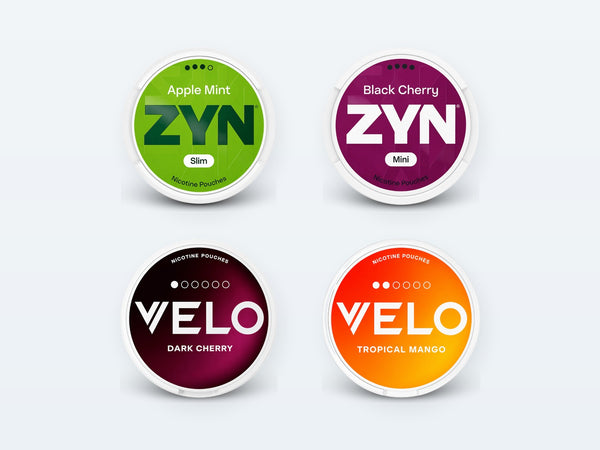
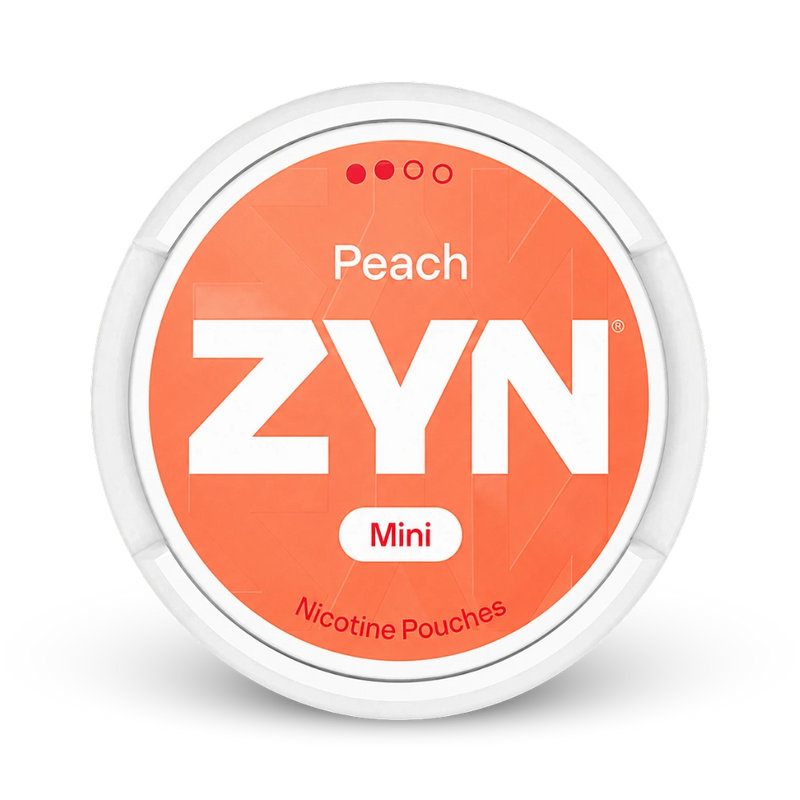
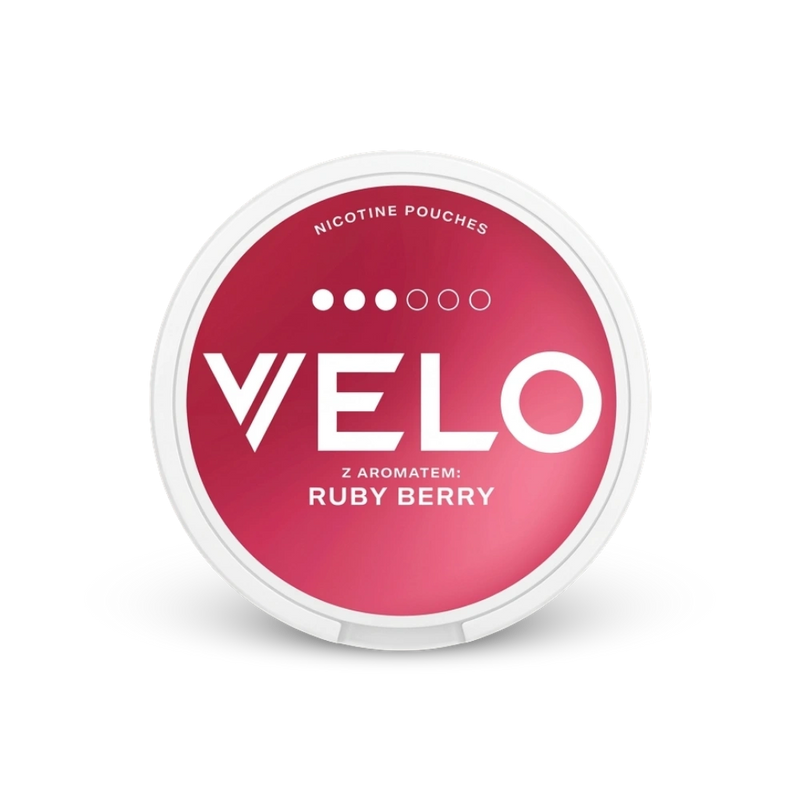
Tobacco-free nicotine pouches such as ZYN, VELO or similar products contain no tobacco, but have been classified in Germany since 2022 as a novel food. As they are not marketable without a special authorisation, their sale is currently not permitted either. Possession remains free of legal consequence here too. The discussion about possible EU-wide regulation is still ongoing.
How Strong Are Nicotine Pouches Compared to Chewing Tobacco?
The nicotine strength depends on the specific variety in both product types, not on the format itself. A good overview is provided by the strength comparison directly in the shop. As a general guide:
- Mild products start at around 4 to 6 mg of nicotine per pouch and are suitable for beginners or those switching from smoking.
- Strong varieties range between 11 and 20 mg and are chosen more by experienced users.
- Extra-strong and ultra-strong products go well beyond that and should really only be used by people with a corresponding nicotine tolerance.
What Suits You? Chewing Tobacco or Pouches
Snus and chewing tobacco share the basic principle but end up in completely different places. Chewing tobacco is the traditional, tobacco-containing product with a real tobacco sensation in the mouth, but requires active chewing and makes spitting necessary. Nicotine pouches deliver nicotine without tobacco, without smell and without effort, making them considerably more practical for everyday use.
The choice comes down to three questions:
- Do you want a real tobacco flavour, or is the nicotine kick with added flavour enough for you?
- How important is discretion in your daily life?
- Which products are currently legally available in your country?
Find the right pouch
Compare strengths, flavours and brands in our shop.
For adults 18+ only. Nicotine is an addictive substance. We sell the products mentioned in our guides. Our editorial content is written independently.