


Table of contents
Snus has a long tradition. It wasn't invented in the form you know and love today, but has a few centuries under its belt — and quite a few kilometres too. Read here where snus comes from and how it came to be.
Quick facts about the origin of snus
- Snus originates from Sweden and has been produced there since the beginning of the 17th century.
- Traditional snus consists of tobacco, plant flavourings, salt and water.
- It is a variation of the snuff already known at the time among Swedish farmers.
About the origin of snus: a look at Sweden
Snus has a long tradition. To be precise, it dates back to the early 17th century, when we turn our gaze to Sweden, the birthplace of snus. As one of humanity's oldest consumer goods, that is almost late in the grand scheme of things. Stockholm customs documents from that period report the first imports of tobacco.
In the early 18th century, tobacco cultivation gradually began in all Swedish cities, ordered by King Frederik I himself. This is precisely where the farmers came into play, who are said to have invented snus.
During industrialisation, snus developed into a mass-market product. The growing demand could now be met thanks to the ability to manufacture the product industrially, and snus quickly evolved into an everyday consumer good.
At the beginning of the 20th century, snus spread beyond national borders and became increasingly well known across Europe.
What is traditional snus made of?
Farmers are said to have ground the tobacco leaves they had grown and mixed them with water. The moist, paste-like mixture that resulted was placed in the mouth between the lips and gums.
Flavours were quickly added through the addition of salt and plant leaves, flowers and berries, and the product gradually developed into a tasty treat.
The following plants, for example, served as flavour providers:
- Mint
- Juniper berries
- Bergamot
What are the differences between traditional snus and snus pouches?
Anyone familiar with snus has surely already noticed the most significant difference: tobacco. Traditional snus, as it originated in Sweden, consists mainly of it. Modern snus pouches, on the other hand, generally contain no tobacco. This makes them particularly popular among people who want to avoid tobacco but still wish to consume nicotine, or who are trying to quit smoking.
We have listed all the differences between traditional Swedish snus and snus pouches for you here:
| Swedish Snus | Snus Pouches | |
|---|---|---|
| Tobacco | contains ground tobacco leaves | tobacco-free |
| Nicotine | contained in the tobacco | extracted from the tobacco plant and then added |
| Flavours | rich tobacco flavour | wide range of flavours from fresh herbs to various fruits |
| Legality | banned in the EU, except in Sweden | not subject to the EU tobacco ban |
Why is Swedish snus banned in the EU?
You've just read it: Swedish snus is banned in the EU; the only exception is Sweden, which has its own special regulation. But why, exactly?
The ban has been in place since 1992, quite simply due to the high tobacco content. The WHO justifies this with the associated increased risk of cancer. It also considers snus a potential gateway drug for young people.
Cigarettes, which also contain tobacco, are freely available in the EU — one of the reasons why there are repeated strong calls for the ban to be lifted, though so far without success.
You may now be wondering why traditional snus is permitted in Sweden? A fair question. Sweden joined the EU in 1995, when the snus ban was already in place. However, since the tobacco product is deeply intertwined with the country's history and is therefore considered part of its cultural heritage, Sweden was granted an exemption that remains valid to this day.
Buying snus pouches as a tobacco-free alternative to Swedish snus
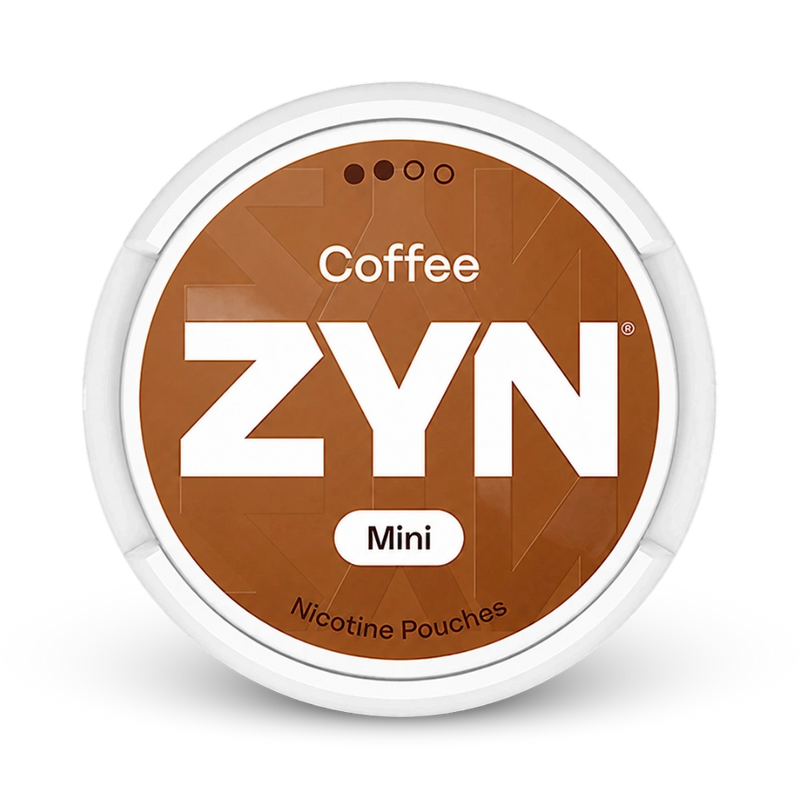
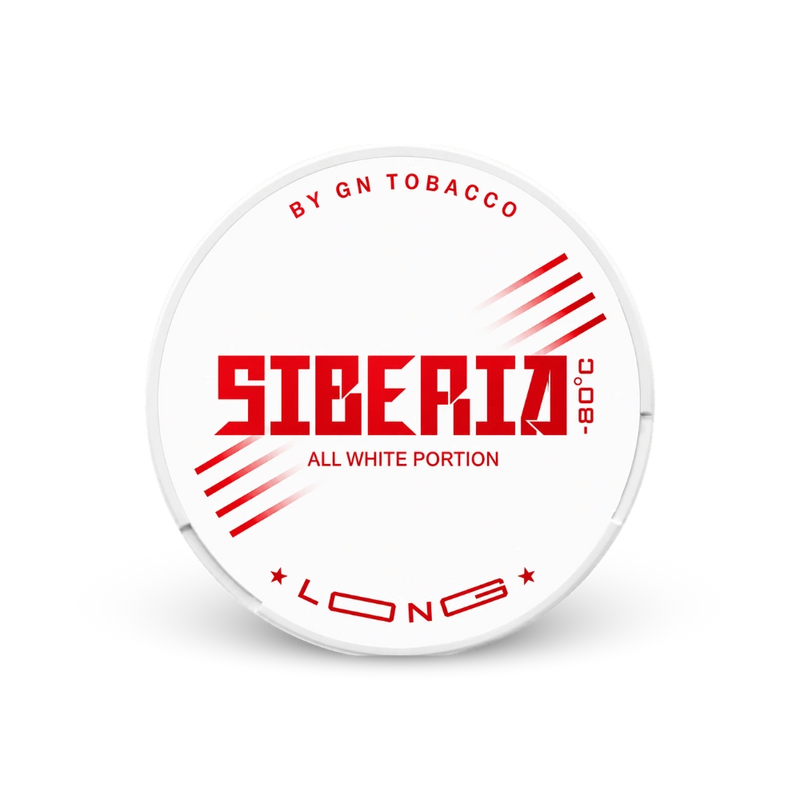
In our snus shop you can find snus pouches that are completely tobacco-free. Rules for nicotine pouches are set at national level and differ from one European country to the next — see our country-by-country overview. We supply you with snus in a variety of nicotine strengths and flavours.
Ranging from 1 to 65 mg of nicotine, we have the right product for you. Flavour-wise, we offer classics such as mint snus or lemon, as well as more unusual options like cola snus.


