






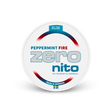
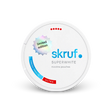


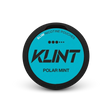
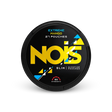


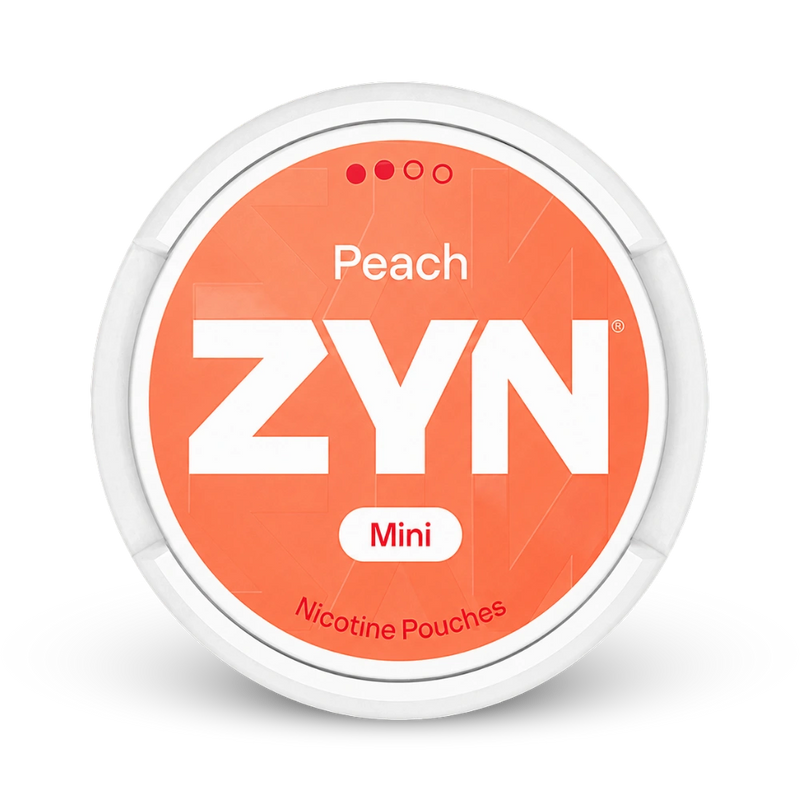
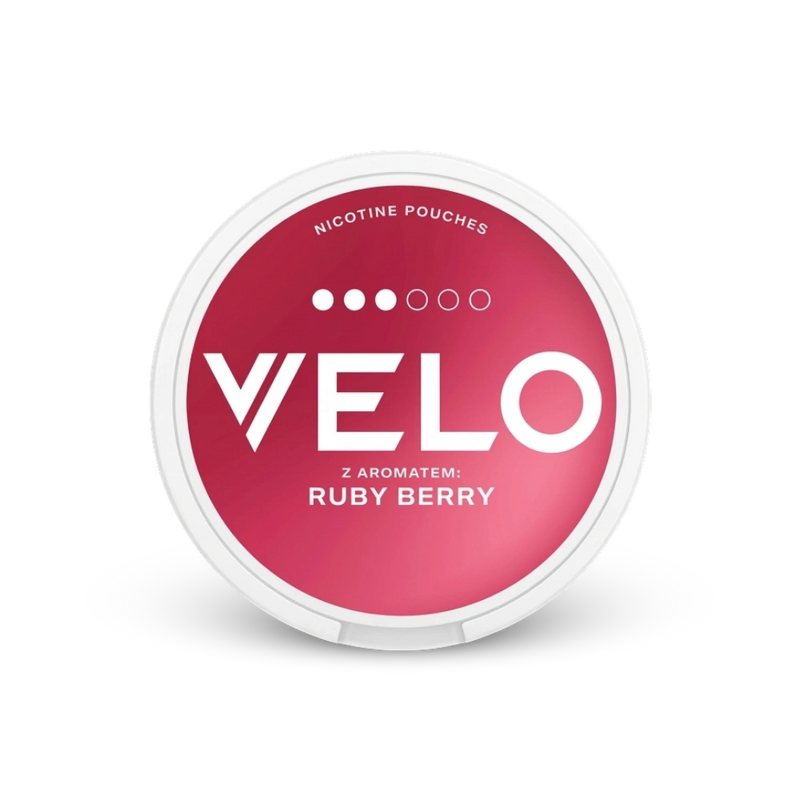
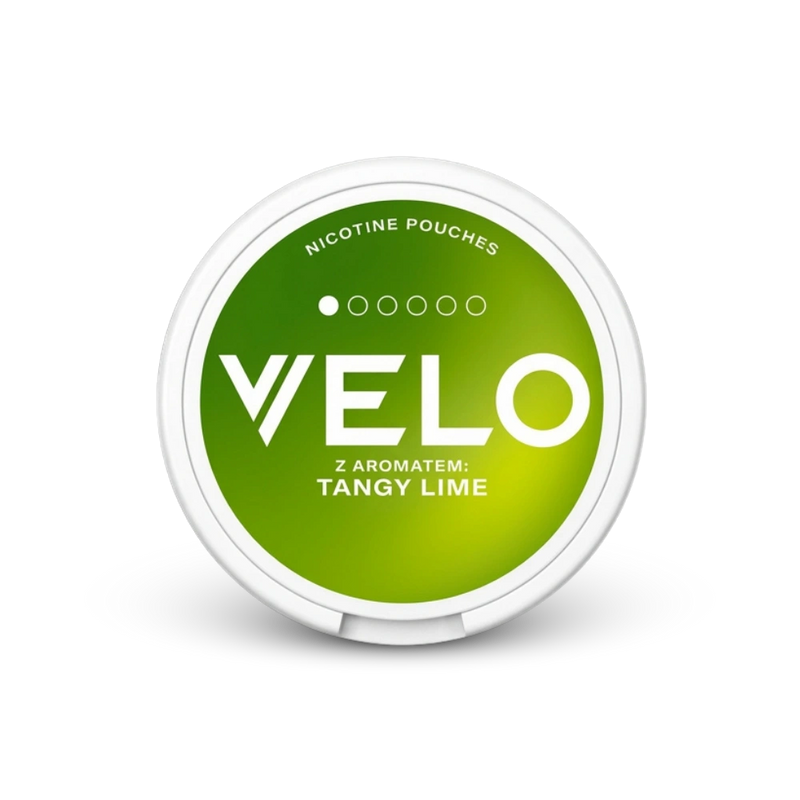
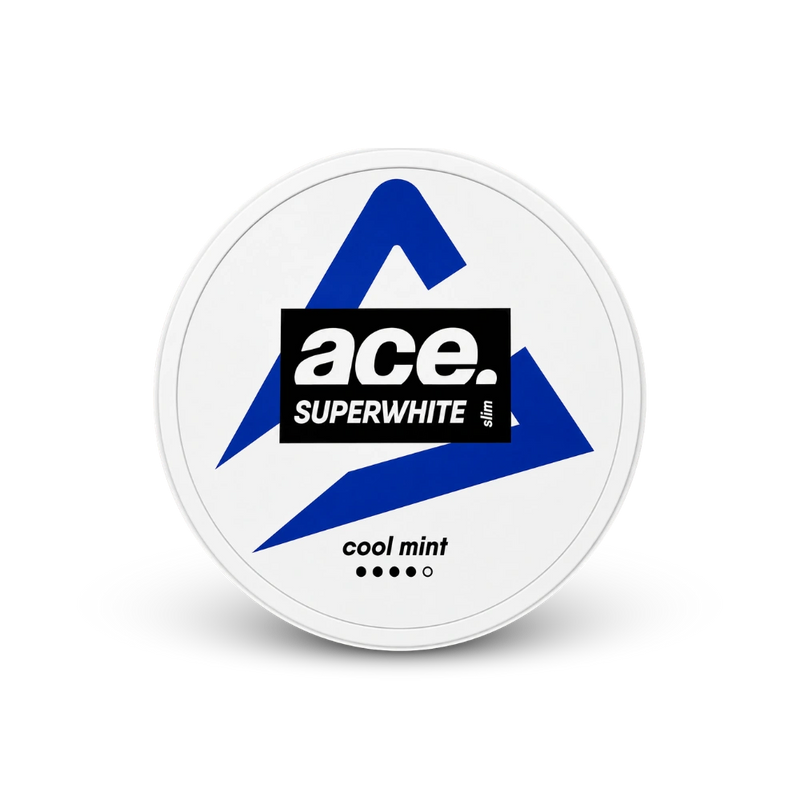
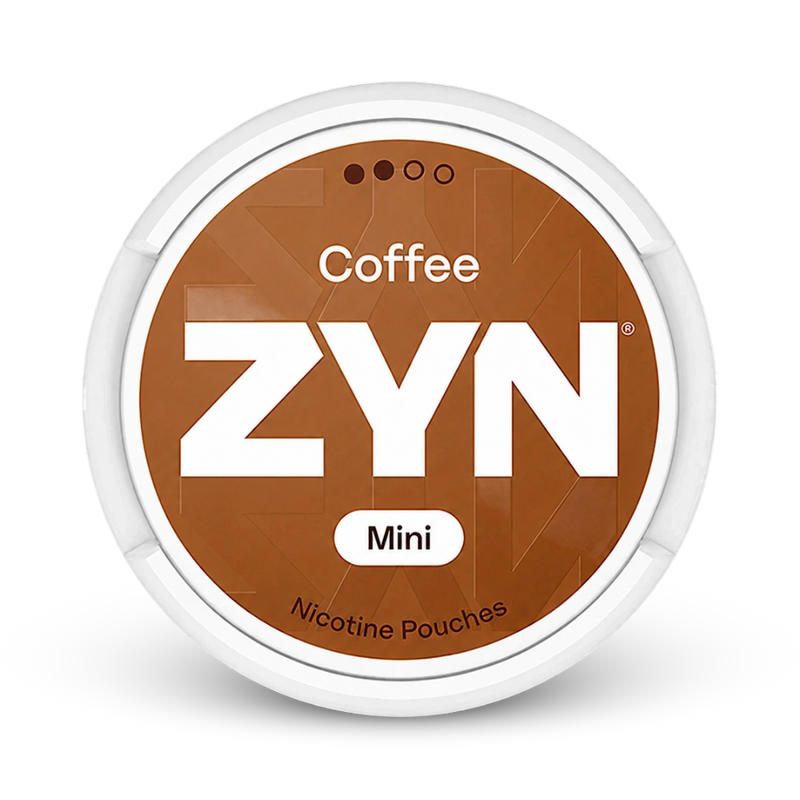
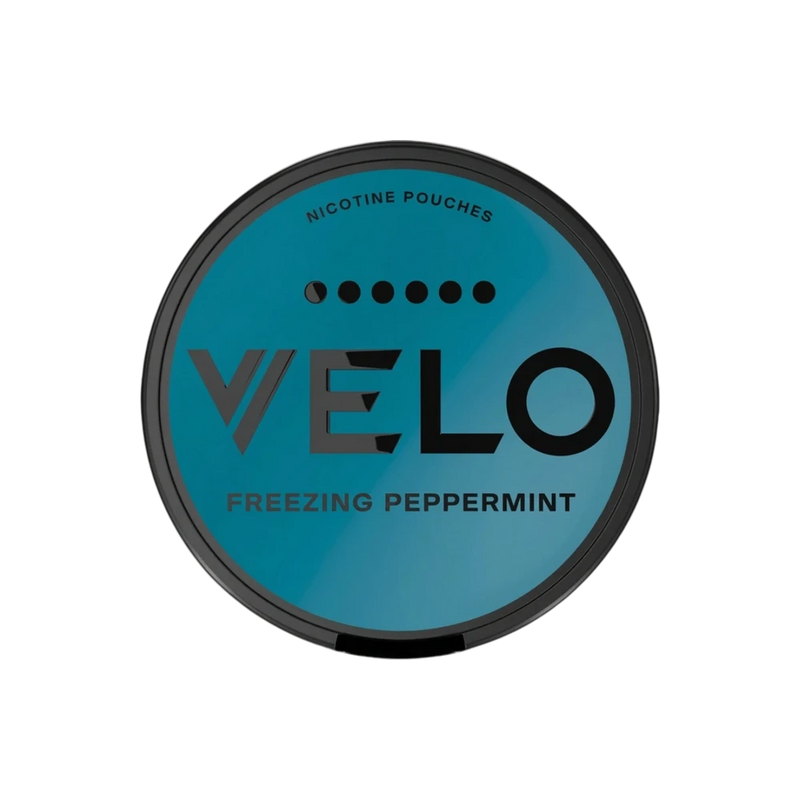


The main factor that separates the two products is the route into the body: a nicotine pouch releases nicotine through the lining of the mouth, while a vape delivers it as an inhaled aerosol that reaches the lungs. That single distinction changes how fast nicotine arrives, what else enters the body with it, what the running costs look like and how visible the habit is. Neither product is risk-free, and no European health authority classifies either one as safe.
Both sit outside combustion, so neither produces tar or carbon monoxide. Beyond that point the two categories diverge more than most comparisons admit.
Are nicotine pouches better than vaping?
"Better" only has an answer once you name the criterion. On discretion and simplicity, pouches win by design: no battery, no liquid, no vapour cloud. On flexibility of flavour volume and the physical ritual of inhaling, vapes offer something a pouch cannot imitate. On health, the honest position is that long-term data for both categories is thin, and the World Health Organization treats all nicotine products as addictive goods rather than ranking them on a safety scale.
| Criterion | Nicotine pouches | Vaping |
|---|---|---|
| Route into the body | Absorbed through the gum and cheek lining | Inhaled as aerosol, absorbed in the lungs and airways |
| Speed of effect | Gradual, builds over several minutes | Fast, within a minute or two of the first puffs |
| Label unit | mg per pouch | mg per ml of liquid |
| What else enters the body | Fillers such as cellulose, sweeteners, flavourings, pH regulator | Propylene glycol, glycerol, flavourings, heating-element residues |
| Hardware | None | Device, coil or pod, charging |
| Visibility and smell | Invisible once placed, no vapour | Visible aerosol, noticeable scent |
| Waste per use | One pouch plus the can | Empty pods, used coils, bottles, disposable devices |
Anyone comparing the two for the first time usually starts with nicotine numbers, and that is where most of the confusion sits.
Nicotine pouches vs vaping nicotine content
The two labels measure different things, so the numbers cannot be compared directly. A pouch states the total nicotine contained in that pouch. An e-liquid states a concentration per millilitre. The total nicotine in a bottle therefore depends on its concentration and its size, spread across however many puffs the user takes.

Pouch strengths are sorted in clear steps, from light pouches of around 1 to 5 mg through the medium and strong categories up to extra strong pouches above 30 mg per pouch. Only a fraction of the declared amount actually reaches the bloodstream, because absorption through the gum is partial and depends on wear time and saliva.
Delivery speed is the second variable. Inhaled nicotine passes through the lung surface and reaches the brain within minutes. Buccal absorption is slower and flatter, which is why the effect of a pouch is described as a build-up rather than a hit. For a reference point on how both compare with a cigarette, see our breakdown of how much nicotine is in a cigarette, and the nicotine calculator for converting between units.
The milligram figure on a can is the nicotine content of the pouch, not the amount delivered. The same is true for e-liquid: concentration per millilitre says nothing about how much a given person inhales in a day.
Nicotine pouches vs vaping health risks
The risks sit in different places in the body. Vaping exposes the airways and lungs to a heated aerosol containing propylene glycol, glycerol, flavouring compounds and trace metals from the heating element. Pouches expose the gum, the inner lip and the mouth lining to nicotine, flavourings and a pH regulator, with some of the content swallowed with saliva.
Reported effects differ accordingly:
- Pouches: burning or tingling at the placement site, gum irritation and receding gum tissue at that spot, hiccups, nausea and headaches when the strength is above what the user is accustomed to. Our article on snus and nicotine pouch side effects covers these in detail.
- Vaping: throat and airway irritation, dry mouth, coughing, and in some users increased airway sensitivity.
- Both: nicotine itself raises heart rate and blood pressure for a period after use, and produces dependence.
The World Health Organization describes nicotine as highly addictive regardless of the product carrying it, and the European Commission tobacco policy pages provide a general resource on EU tobacco policy. Neither category has decades of epidemiological data behind it: both nicotine pouches and consumer vaping devices are relatively recent arrivals to European markets. Claims that one is clearly safer than the other go further than the evidence currently allows.
Nicotine pouches vs vaping cost
Pouches cost money only as consumables, vaping splits spending between hardware and liquid. A pouch user buys cans, each containing a fixed number of pouches that varies by brand and format. The cost per day is simply pouches used divided by pouches per can, multiplied by the can price. There is no hardware to maintain or charge.

A vaper carries several cost lines at once:
- The device itself, replaced after months or years
- Coils or pods, replaced on a cycle of days to weeks depending on liquid and use
- E-liquid, bought in bottles
- Charging cables, batteries and occasional accidental loss or damage
Disposable devices remove the hardware calculation but shift the spending into a per-unit consumable that is often the most expensive way to vape. To compare honestly, calculate a cost per week for both over at least a month rather than a cost per unit. Our guide on what snus and pouches cost explains the variables on the pouch side, and multi-can bundles change the per-can figure for anyone who uses the same product consistently.
Which is easier to quit?
No controlled evidence names one of the two as the easier habit to stop. Dependence is driven by how quickly nicotine reaches the brain, how often the product is used and how strongly it is tied to daily routines. Faster-acting nicotine products are often discussed in addiction literature as more reinforcing, although direct long-term comparisons between pouches and vapes remain limited. A vape is also available for a single puff at any moment, while a pouch commits the user to a defined period of wear, which naturally limits the number of uses per day.
On the other hand, pouches carry a clear numeric ladder. Strength categories run in steps from 6 to 10 mg through 11 to 20 mg and upwards, and nicotine-free pouches keep the physical routine without nicotine. E-liquid concentration can also be stepped down, though device power and puff behaviour change the real intake at the same time, which makes the reduction harder to measure.
National health services and pharmacists in many countries describe structured support as one option among several for people who want to stop using nicotine. Our article with tips on nicotine withdrawal describes what the first weeks involve. Neither product is sold or marketed here as a smoking-cessation aid, and how each category is classified differs between countries, as the country-by-country reference on nicotine pouch rules shows.
Discretion, smell and where each one is allowed
A pouch is invisible once placed, a vape is not. Vapour is visible, carries a scent and is noticed by people nearby, which is why vaping sits under indoor smoking restrictions in many countries. A pouch produces nothing visible and no odour at a distance, so the practical limits are set by employers, airlines and venue operators rather than by smoke-free laws. Our overview of pouches at the office explains how this applies in workplaces.
The legal picture is the bigger asymmetry. Electronic cigarettes and refill containers are regulated under EU tobacco products legislation, including Directive 2014/40/EU, the EU Tobacco Products Directive. Nicotine pouch regulation varies by country, with rules differing across EU member states. The reference page on nicotine pouch rules in the EU lists the current position per market.
Checklist before switching between the two
- Which unit does the label use, mg per pouch or mg per ml, and have you converted before comparing?
- Do you want a fast onset or a slower build-up?
- Are you willing to maintain hardware, or do you want a consumable only?
- Where do you use nicotine most, and is visible vapour acceptable there?
- What are the rules in the country you live in and the countries you travel to?
- Which flavour families do you actually use? The nicotine pouch range covers mint, fruit, citrus and liquorice profiles.
For readers who want to understand what sits inside a pouch before comparing it with an e-liquid, our piece on how snus and nicotine pouches are made walks through the materials and the production steps.
Find the right pouch
Compare strengths, flavours and brands in our shop.
For adults 18+ only. Nicotine is an addictive substance. We sell the products mentioned in our guides. Our editorial content is written independently.