


Table of contents
- What Does Snus Cost on Average? ›
- Is the Price the Same in Every Country? ›
- How Is the Price Made Up? ›
- Budget Snus: Where Is the Lower Limit? ›
- Expensive Snus: What Are You Paying More For? ›
- Why Do Prices Fluctuate So Much? ›
- How to Save When Buying Snus ›
- Nicotine Pouches as a Cheaper Alternative? ›
- Is Price Comparison Really Worth It? ›
I've been active in the snus space for over three years and have spent a lot of time thinking about the price of snus. Because let's be honest: we all love a good deal. And often we don't even know whether the price is actually justified. Prices vary by brand, strength, format, country and season. Anyone who doesn't want to overpay or buy blindly should read this.
Right off the bat: Snus prices vary depending on brand, strength and country. There are no uniform prices.
What Does Snus Cost on Average?
The typical price range currently (2026) in online shops is between approximately €4.50 and €7.50 per can. Below that you'll find simple entry-level products without much branding. More expensive are primarily premium brands with special formats or high nicotine strengths. Most bestsellers sit somewhere in the middle, around €5 to €6.50. If you buy regularly, that adds up quickly, which is why the price per can is actually relevant.

| Price Range | Typical Price per Can | Examples |
|---|---|---|
| Budget | approx. €4.50 – €5.50 | Simple mint and standard varieties |
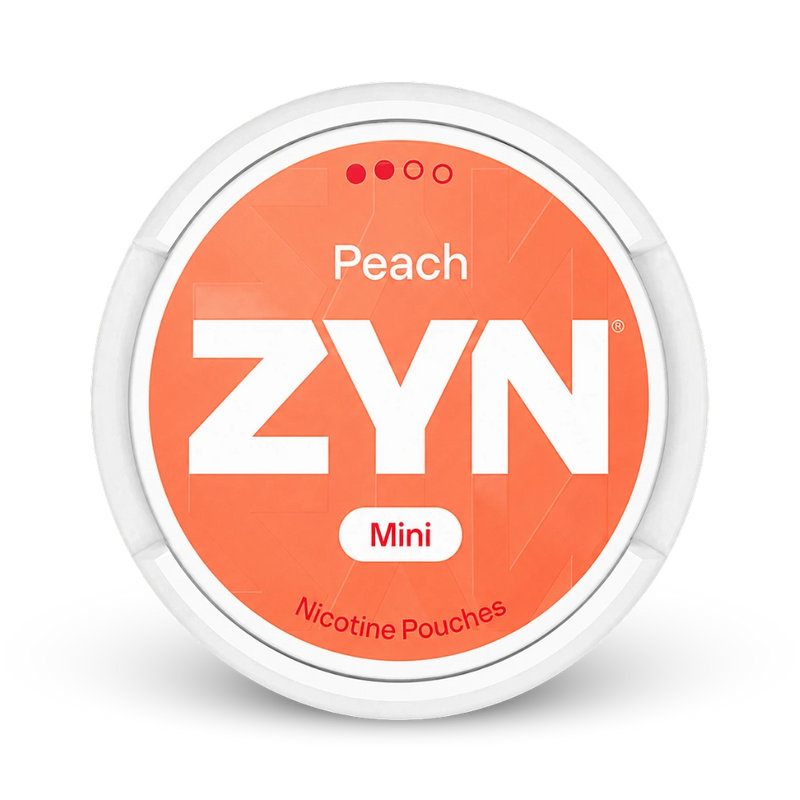
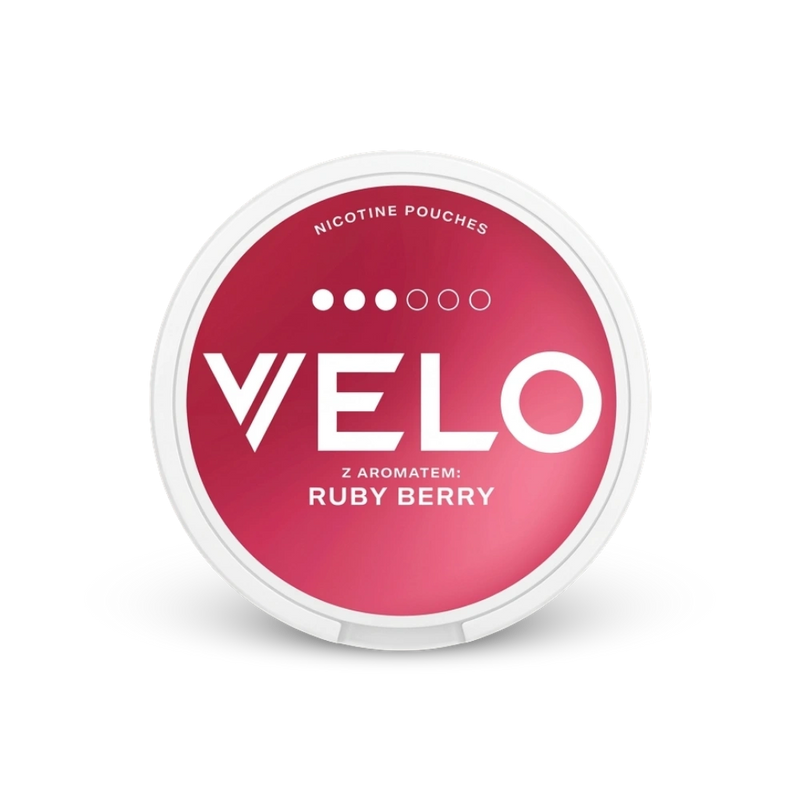
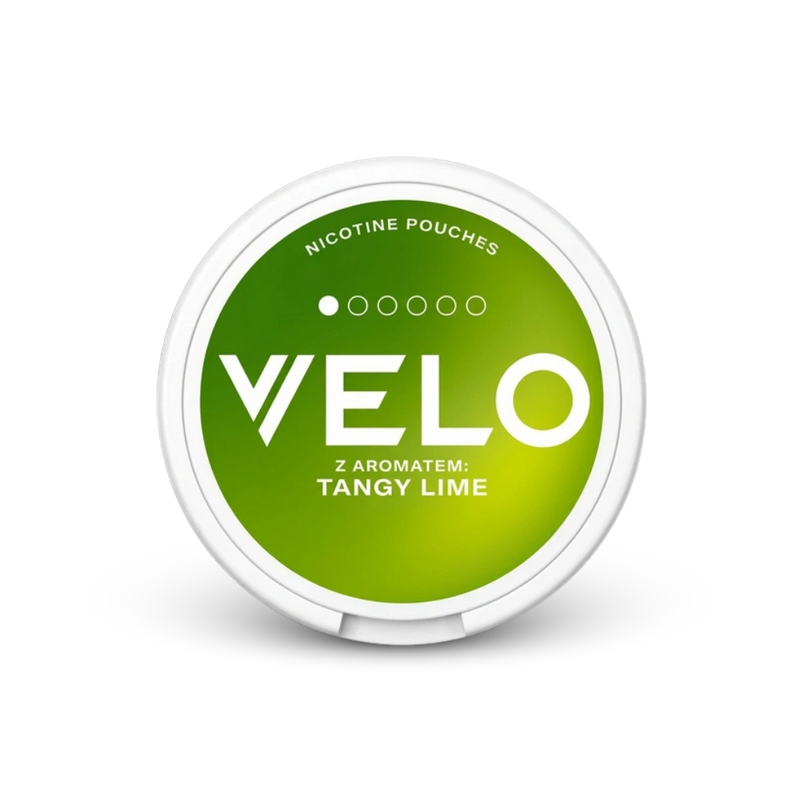
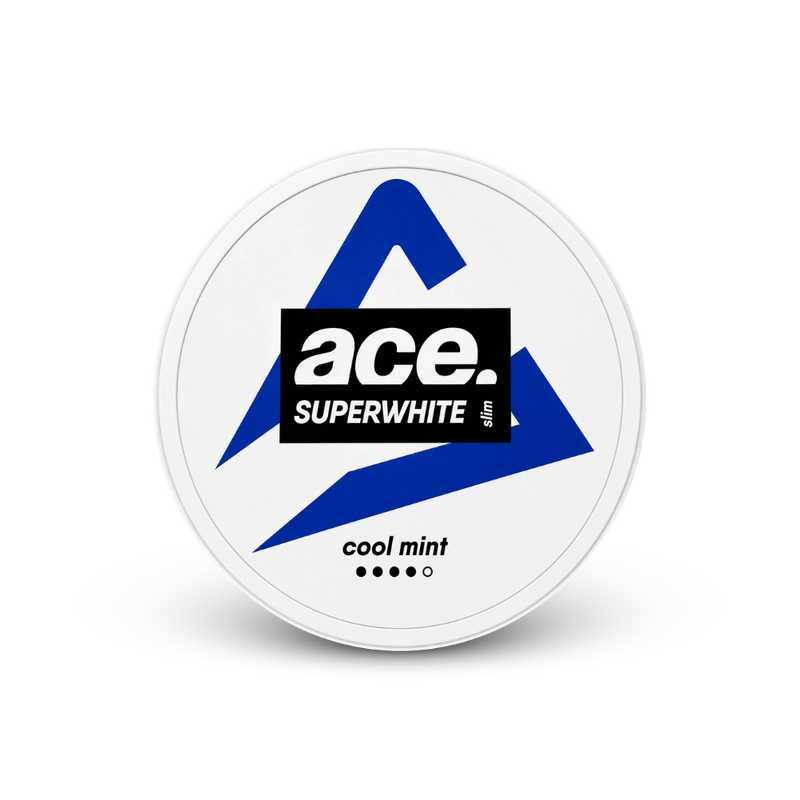
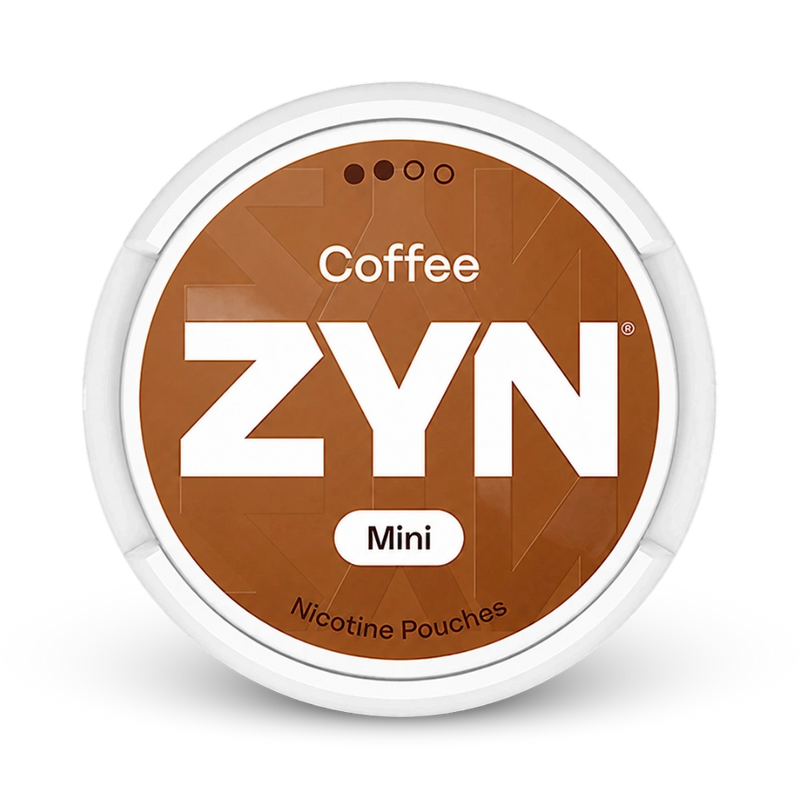
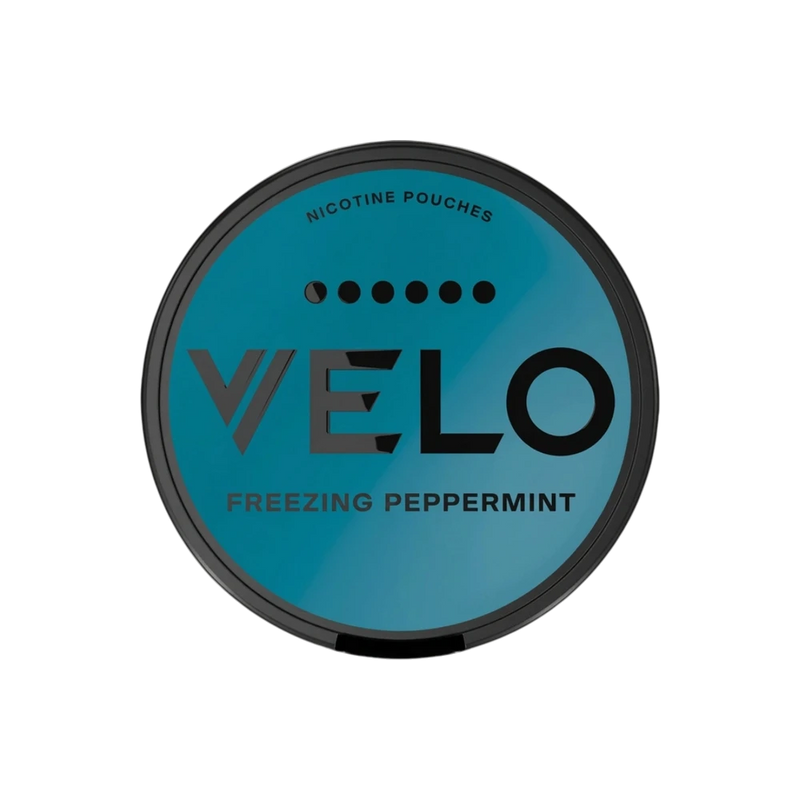
| Mid-range | approx. €5.50 – €6.50 | Velo, ZYN, ACE, Loop |
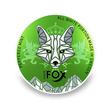
| Premium | approx. €6.50 – €9.00+ | Iceberg, Pablo, Siberia, White Fox |
Here you'll find popular products with great value for money.

Is the Price the Same in Every Country?
No, and the difference is sometimes considerable. In Sweden, where snus is traditionally manufactured and consumed, the price per can is significantly lower, often under the equivalent of €4. This is due to the following reasons: no EU-wide import restrictions for the domestic market, low production costs due to short supply chains and a different tax structure. You can read more about the history and uniqueness of the Swedish market in the article on Snus in Sweden.
Tobacco-free nicotine pouches are generally available everywhere and can be somewhat cheaper than genuine tobacco snus products.
How Is the Price Made Up?
There's more behind the price than just brand and packaging. A large part of the calculation depends on the ingredients. Nicotine salts in high concentrations are more expensive to produce than low-dose variants. Plant-based fillers that shape the pouch — cellulose or plant fibres — must be sourced at consistent quality. Add to that flavourings, which cost varying amounts depending on complexity: a simple mint extract is cheaper than a multi-layered fruit or menthol blend with several components.
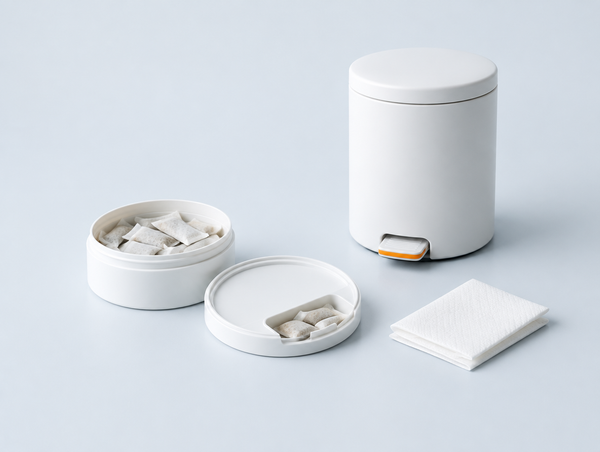
Packaging and production also play a role. High-quality cans with a compartment for used pouches, child-resistant closures or elaborate printing naturally increase costs. That said, snus with particularly plain packaging doesn't necessarily cost less...
Quality: In my experience, buying "cheap" snus simply means getting lower-quality workmanship. Thinner, softer pouches with a fine texture are more labour-intensive to produce than simpler standard formats and come at a price.
Budget Snus: Where Is the Lower Limit?
This is where the principle of the free market kicks in. Simple products manufactured in large quantities cost the least. Brands without elaborate branding, standardised flavours like mint or fresh, and no special nicotine strengths keep the price down. In the shop you'll find such options from around €4.50 per can. Quality-wise, this doesn't have to be worse: many beginners start with exactly these varieties and stick with them.
- Simple mint and citrus varieties without premium branding are often under €5.
- Large pack sizes or multipack deals lower the price per can further.
- Lesser-known brands with similar ingredients are often cheaper than the classics.
- No eye-catching designs or limited-edition packaging usually means less of a markup.
Expensive Snus: What Are You Paying More For?
High prices arise from several factors simultaneously. Extreme nicotine strengths require more elaborate production and quality control. Special flavours, elaborate packaging or limited editions cost more to develop. Well-known brands with strong communities invest more in marketing, which is reflected in the price. Add to that special formats such as slim pouches, mini pouches or particularly large cans, which are also priced higher.
Products like Pablo, Siberia or White Fox are often above €7, sometimes significantly so. That doesn't automatically make them better — it's usually just different: stronger, more specific, made for a clearly defined user profile. Anyone who regularly buys such products should keep an eye out for deals and bundles.
Why Do Prices Fluctuate So Much?
Several factors influence the final price simultaneously. None of them alone explains the complete difference between €4.50 and €9. It's always a combination.
- Brand: Well-known names have more room for pricing than no-name products.
- Nicotine strength: Very strong products with 30 mg/g or more are more complex to manufacture and regulate.
- Format: Slim, mini, normal or maxi formats differ in production and logistics.
- Origin and import: Imported products carry shipping costs and potentially customs surcharges.
How to Save When Buying Snus
Anyone who buys regularly shouldn't order individual cans every time. Bundles and multipacks noticeably reduce the price per can, often by 10 to 20 percent compared to single purchases. Online shops also regularly offer sales and deals that simply don't exist in brick-and-mortar retail. I check this myself all the time: if you shop attentively, you can sometimes pay over a euro less per can than someone who orders without thinking.
Practical Money-Saving Tips for Snus
- Buy bundles and value sets instead of individual cans, especially for varieties you know you like.
- Keep an eye on deals and sale events in the shop — the reduced cans in the sale rotate regularly, and they are usually current stock rather than clearance.
- Compare the price per can rather than just looking at the total price, which can be misleading with different pack sizes.
- Buy online rather than offline: petrol stations and kiosks almost always charge more.
Nicotine Pouches as a Cheaper Alternative?
Nicotine pouches contain nicotine but no tobacco, and are sold exclusively to adults aged 18 and over. Rules for nicotine pouches are set at national level and differ from one European country to the next — see our country-by-country overview. Pricewise they are often similar to classic snus, sometimes even slightly cheaper. Brands like Velo, ZYN or ACE cover various strengths and flavours and typically cost between €5 and €7 per can. Whether this is relevant for you depends on what you're looking for: if you don't yet know exactly the difference between the two product types, check out the article on Snus vs. Nicotine Pouches before deciding.
Nicotine pouches become cheaper when you specifically take advantage of promotional offers. The pricing logic is the same as with classic snus: quantity and brand choice are what matter. It's best to sign up for our newsletter.
Is Price Comparison Really Worth It?
Short answer: yes. Someone who buys four cans a week and saves an average of one euro per can has around €16 more in their pocket at the end of the month. Over the course of a year, that's over €190. That's not small change. And the effort is minimal:
- a quick comparison,
- use bundles,
- keep an eye on sale timing.
In the end, it comes down to what you really want. Anyone who is just starting out and isn't sure which strengths or brands suit them should try things out first before buying larger quantities. Our beginner's guide for snus newcomers is a great fit here — it explains how to get started sensibly without wasting money unnecessarily.
Find the right pouch
Compare strengths, flavours and brands in our shop.
For adults 18+ only. Nicotine is an addictive substance. We sell the products mentioned in our guides. Our editorial content is written independently.