




Table of contents
- Are caffeine pouches bad for you? ›
- What side effects do caffeine pouches have? ›
- Are caffeine pouches bad for your gums? ›
- How much caffeine is in a caffeine pouch? ›
- Caffeine pouches vs energy drinks: what is different? ›
- How long do caffeine pouches take to work? ›
- Can you overdose on caffeine pouches? ›
- Are caffeine pouches addictive? ›
- Who should be careful with caffeine pouches? ›
- How do caffeine pouches differ from nicotine pouches? ›
A caffeine pouch is not harmful for a healthy adult who stays below the 400 mg of caffeine per day that the European Food Safety Authority (EFSA) describes as safe from all sources combined, the same reference that applies to coffee, tea and energy drinks. EFSA also indicates that single doses up to 200 mg do not raise safety concerns for healthy adults. The substance in a pouch is the same molecule that has been studied for decades. What changes is the delivery: part of the caffeine is absorbed through the lining of the mouth, the amount per portion is fixed by the manufacturer, and nothing in the format limits how many portions follow each other.
That last point is where most of the real risk sits. A can on a desk is easier to use than a second espresso, and the caffeine from pouches adds to everything else consumed that day. If you want the ingredient list and the format comparison first, our article on what is inside caffeine pouches covers that in detail.
Key facts
- EFSA reference values for healthy adults: up to 200 mg of caffeine as a single dose, up to 400 mg per day from all sources.
- Caffeine pouches sold in Europe state their caffeine content on the label, with labelled strengths commonly ranging from 100 mg to 180 mg per pouch.
- A single 180 mg pouch already passes the 200 mg single-dose reference when combined with one coffee.
- Caffeine pouches contain no tobacco and no nicotine.
Are caffeine pouches bad for you?
They are not harmful by default, and the question only becomes answerable once total daily caffeine is counted. Caffeine blocks adenosine receptors in the brain, which reduces the perception of tiredness and raises alertness. The same mechanism raises heart rate and blood pressure slightly in people who are not used to it. None of this is specific to the pouch format.
Two things separate caffeine pouches from a cup of coffee in terms of risk. The first is dose transparency: a pouch states a number, a filter coffee varies with bean, grind and brewing time. The second is accumulation. Someone who drinks several coffees and then adds one or two pouches can pass the EFSA daily reference of 400 mg without noticing. The pouch itself did nothing unusual. The arithmetic did.
Caffeine pouches also contain no tobacco and no nicotine. The gum, cancer and dependence questions associated with oral tobacco concern a different ingredient and a different body of research.
What side effects do caffeine pouches have?
The reported effects are the classic caffeine effects, plus mild local irritation in the mouth. Higher intakes, or normal intakes in sensitive people, are associated with:
- restlessness, nervousness and shaky hands
- a faster or noticeably stronger heartbeat
- difficulty falling asleep and shorter sleep duration, particularly when caffeine is taken close to bedtime in sensitive individuals
- stomach discomfort or nausea, partly because saliva carrying sweeteners and acids is swallowed
- headache, both from a high intake and from omitting the usual intake
- a tingling or burning feeling at the spot where the pouch sits
Withdrawal headaches are a well-documented part of the caffeine picture and work in a similar way to the headaches described for nicotine pouches: the body adapts, and the absence of the usual amount is felt.
Are caffeine pouches bad for your gums?
No published clinical study has examined the gum effects of caffeine pouches specifically, so the honest answer is that the long-term picture is unknown. What is known comes from oral pouch products in general: a moist pouch resting against the same patch of mucosa produces local whitening, redness or a sore spot in a share of users, and these changes usually fade when the irritation stops.
Two ingredients beyond caffeine matter here. Flavour systems in energy pouches often contain food acids such as citric or malic acid, which lower the pH at the contact point. Sweeteners and fillers keep the pouch moist against the tissue for the whole wear time. Neither ingredient has been shown to damage gum tissue, and neither has been studied in this format over long periods. Our overview of pouches and gum health explains what the tissue changes look like and how dentists describe them.
How much caffeine is in a caffeine pouch?
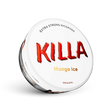
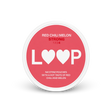
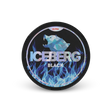
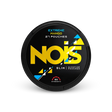
Labelled amounts on pouches sold in Europe are stated per pouch, with the strengths in our range spanning roughly one espresso to two strong coffees. The products in our caffeine pouch range state the figure in the product name itself, and the labelled strengths there run from 100 mg to 180 mg per pouch. A 180 mg pouch alone sits close to the 200 mg single-dose reference value named by EFSA.

For orientation, the EFSA opinion compiles approximate caffeine contents for common drinks. The values below are averages, and real servings vary widely:
| Source | Serving | Caffeine (approximate) |
|---|---|---|
| Espresso | 60 ml | around 80 mg |
| Filter coffee | 200 ml | around 90 mg |
| Black tea | 220 ml | around 50 mg |
| Energy drink | 250 ml | around 80 mg |
| Cola drink | 355 ml | around 40 mg |
| Caffeine pouch (our range) | 1 pouch | 100 to 180 mg |
The declaration on the can is the only reliable figure. Some brands state caffeine per pouch, others state the content for the whole can, and the two numbers differ by a large factor.
Caffeine pouches vs energy drinks: what is different?
The caffeine is identical, the rest of the formulation is not. An energy drink delivers its caffeine together with sugar or sweeteners, taurine, B vitamins and roughly a quarter of a litre of liquid. A pouch delivers a comparable or larger caffeine amount with a small amount of plant fibre, flavouring and sweetener, and no liquid at all.
Three practical differences follow:
- Calories and volume: sugared energy drinks add a relevant amount of sugar per can. Pouches are sugar-free.
- Pace of intake: a drink takes several minutes to finish. A pouch is in place in seconds, which makes a second portion a smaller decision.
- Labelling: Labelling requirements for caffeine-containing products vary by category and country. Pouches are not beverages, and national food rules for this product group differ between EU countries.
How long do caffeine pouches take to work?
Users commonly describe an effect within minutes rather than instantly, and the onset is faster than a swallowed capsule. Part of the caffeine crosses the mucous membrane of the mouth directly into the bloodstream and bypasses the first pass through the digestive tract. The rest is swallowed with saliva and absorbed in the gut like any drink. Pharmacokinetic data for pouches themselves are thin.
Duration follows standard caffeine pharmacology. Caffeine has a half-life of several hours in most adults, so a meaningful share of the caffeine from an afternoon pouch is still circulating in the evening. Metabolism of caffeine varies between individuals due to factors including lifestyle and medication, and some medicines slow the process down considerably. EFSA summarises these differences in its topic page on caffeine.
Can you overdose on caffeine pouches?
Yes, in the same way you can overdose on caffeine tablets or strong coffee, and the thresholds are described in the literature. Very high amounts of caffeine consumed in a short time can cause serious adverse effects. Reaching that amount from pouches alone would require a long chain of portions within a few hours, but it is arithmetically possible with 180 mg products, and it becomes easier when energy drinks, coffee and pre-workout powders occur on the same day.
Warning signs of acute caffeine intoxication include a racing or irregular heartbeat, vomiting, confusion, muscle tremor and severe agitation. Anyone noticing these signs should contact a doctor or a poison information centre immediately. Severe caffeine toxicity is rare and is typically associated with highly concentrated products rather than ordinary foods and drinks.
Are caffeine pouches addictive?
Caffeine produces tolerance and a defined withdrawal syndrome, which is weaker than nicotine dependence but real. Caffeine withdrawal is a recognised clinical phenomenon. Symptoms typically begin within a day of the last intake and include headache, fatigue, low mood and reduced concentration.
The pouch format can reinforce the habit side. Opening a can follows a trigger and a ritual, the same pattern that maintains oral nicotine use. Whether that matters depends on how many portions per day the routine stabilises at.
Who should be careful with caffeine pouches?
Adults with a known sensitivity to caffeine, a diagnosed heart rhythm or blood pressure condition, an anxiety disorder, or a medication that interacts with caffeine metabolism have reason to speak with a doctor first. Some medicines can slow caffeine metabolism, which can extend the effect of a single portion for many hours. Individual sensitivity to caffeine varies widely for reasons that are not fully understood, which explains why one person sleeps after an evening espresso and another stays awake.

The second group is less obvious: people who already take in a lot of caffeine without counting it. Pre-workout formulas, strong tea, cola and chocolate all contribute. Anyone using pouches around training should also read our notes on pouches and sport, where the stimulant question is examined from a different angle.
How do caffeine pouches differ from nicotine pouches?
They share the format and nothing else that matters. A nicotine pouch delivers nicotine, a substance with a strong dependence potential and its own regulatory framework across the EU. A caffeine pouch delivers a food-grade stimulant that is present in coffee, tea and chocolate. Risk assessments, maximum levels, labelling duties and age rules follow different legal tracks, and those rules differ from one country to the next.
People who want to stop using nicotine but keep the oral habit tend to move between three groups: caffeine pouches, pouches without nicotine, and flavour-only products. The differences between those categories are set out in our guide to nicotine-free snus. One detail is easy to miss on the shelf: caffeine pouches and nicotine pouches use the same can format and similar portion sizes, so the ingredient has to be read off the label rather than guessed from the packaging format.
Find the right pouch
Compare strengths, flavours and brands in our shop.
For adults 18+ only. Nicotine is an addictive substance. We sell the products mentioned in our guides. Our editorial content is written independently.