



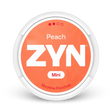

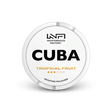
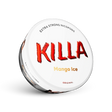





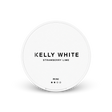
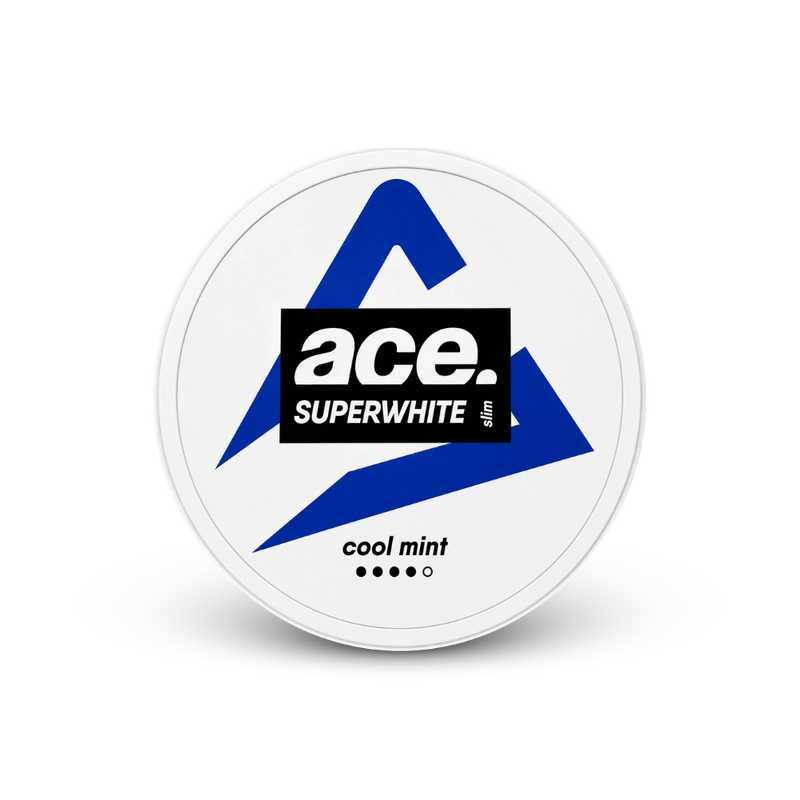
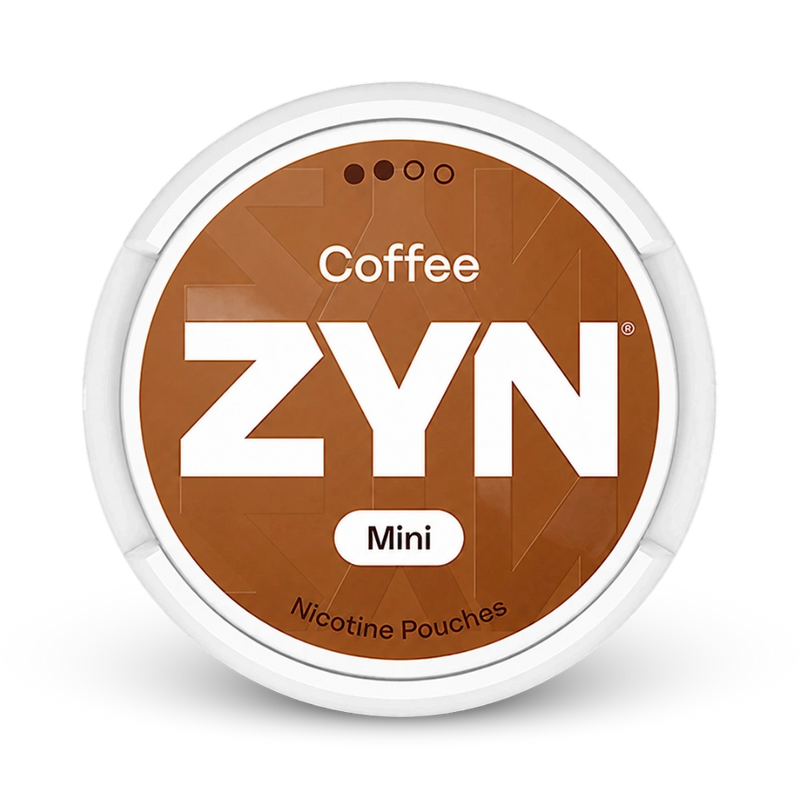
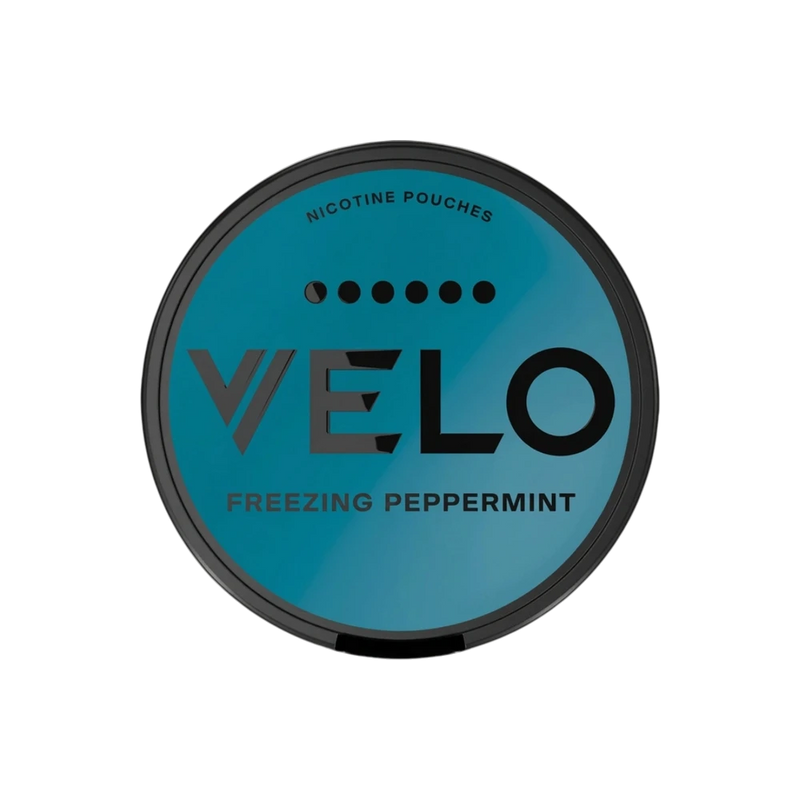
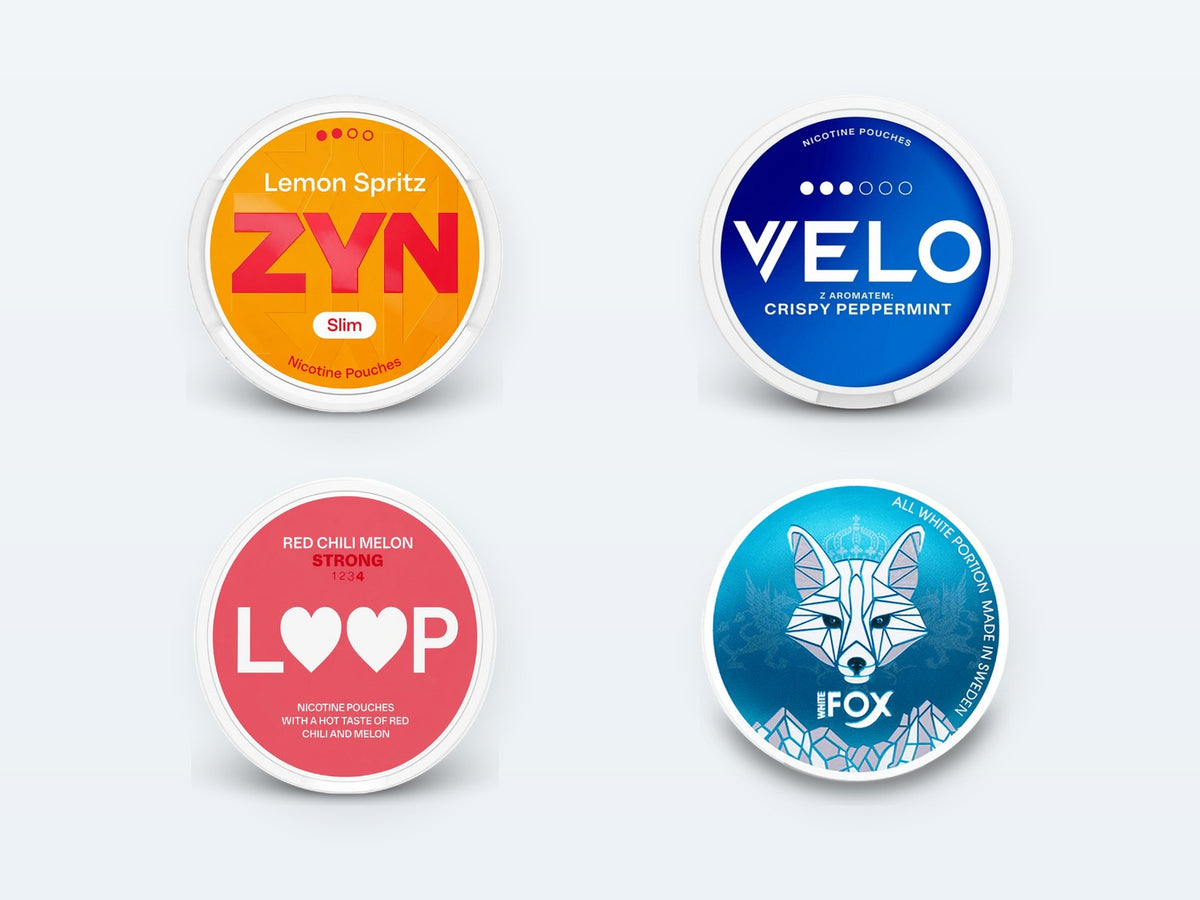
Nicotine pouches are small white pouches that you place under your upper lip. They look like snus but contain no tobacco leaf. In many countries they have become the most common way to use nicotine without smoke, vapour or tobacco. This guide explains what nicotine pouches are, what is inside them, which formats and strengths exist and how to read the information on the can.
In short: a nicotine pouch is a pre-portioned pouch filled with plant fibres, nicotine, flavourings and a few auxiliary ingredients. It contains no tobacco leaf, it is not chewed or spat out, and it is made for adults aged 18 and over who already use nicotine.
What is a nicotine pouch?
A nicotine pouch is a small portion of white filling wrapped in a thin fleece. You place it between your gum and upper lip and leave it there. The nicotine is absorbed through the lining of the mouth, the same way as with snus. Nothing is burned, nothing is inhaled and there is no smoke or vapour.
The product is often simply called "snus" in everyday language, and many people search for it that way. Strictly speaking, snus is a Swedish tobacco product, while a nicotine pouch is tobacco-free. We explain the difference in detail in snus vs nicotine pouches.
What is inside a nicotine pouch?
The exact recipe differs from brand to brand, and the full list of ingredients is printed on every can. A typical nicotine pouch is made of these components:
| Component | What it does |
|---|---|
| Plant fibres or cellulose | The white filling that carries everything else |
| Nicotine | Extracted from the tobacco plant or made synthetically, usually added as a nicotine salt |
| Water and humectants | Keep the pouch moist and decide whether it feels dry or soft |
| Flavourings and sweeteners | Give the pouch its taste, from mint to fruit or liquorice |
| pH regulators and salt | Influence how quickly the nicotine is released |
| Fleece | The thin white material the pouch is made of |
Because there is no tobacco leaf inside, nicotine pouches stay white, have little smell and leave no brown stains. Some brands also offer pouches with caffeine instead of nicotine. They are a different product category, which we cover in our article on caffeine pouches.
Formats: mini, slim and regular
Nicotine pouches come in several sizes. The names differ slightly between brands, but most ranges follow the same pattern:
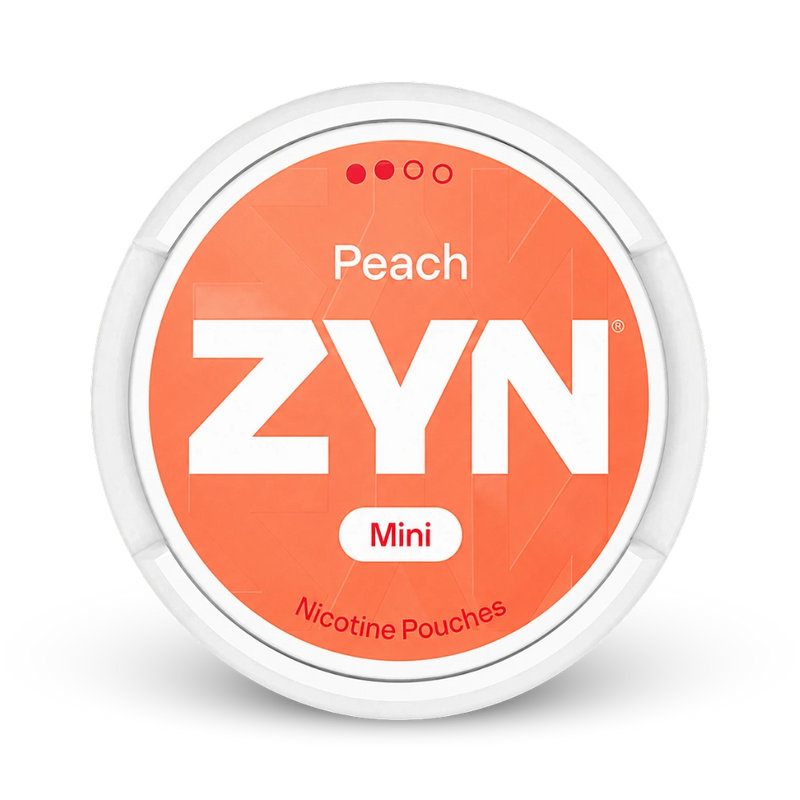
- Mini – the smallest and most discreet pouch. It sits almost unnoticed under the lip.
- Slim – long and narrow. This is the most common format today.
- Regular or normal – a larger, wider pouch with more filling.
The size of the pouch says nothing about its strength. A mini pouch can be strong and a regular pouch can be mild. The difference is mainly comfort and how much filling you feel in your mouth. Pouches also differ in moisture: some are dry and release flavour slowly, others are soft and moist from the start. You can find more on this in our overview of pouch types.
Strength: how to read mg on the can
Every can states how much nicotine the pouches contain. Two units are used, and they are easy to confuse:
- mg per pouch – how much nicotine one pouch contains.
- mg per gram – how much nicotine there is in one gram of filling. Pouches weigh different amounts depending on the format, so this number is not the same as mg per pouch.
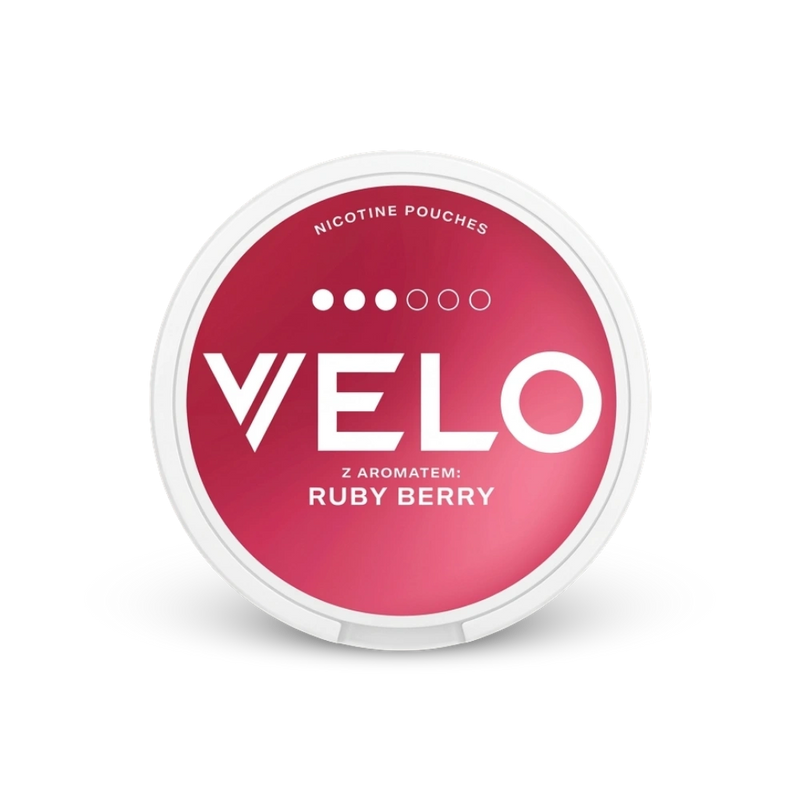
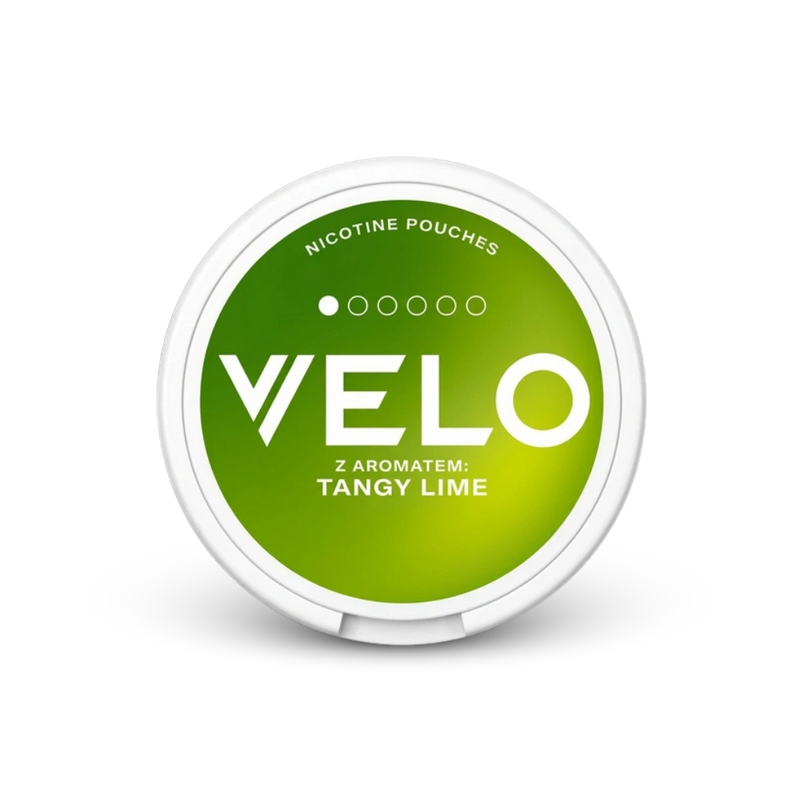
On top of that, brands use their own strength labels, such as dots on the lid, numbered levels or words like "strong" and "extra strong". These labels are not comparable between brands, so it is always worth checking the mg value on the product page. Our guide to snus strengths explains both units in detail, and the nicotine calculator converts them for you. If you want the flavour without nicotine, there are also nicotine-free pouches.
Flavours
Flavour is where nicotine pouches differ most from classic snus. The most popular group by far is mint, from gentle spearmint to very cooling peppermint. Fruit flavours such as berries, mango, grape or watermelon form the second big group. Then there are liquorice, coffee and a growing number of combinations such as fruit with a cooling effect. Browse mint pouches and fruit pouches, or read about typical flavours and how they differ.
How do you use a nicotine pouch?
Place the pouch between your gum and upper lip, usually on one side. A slight tingling at the start is normal and fades after a few minutes. You do not chew the pouch and you do not need to spit. After use, throw it in the bin or in the lid compartment that many cans have, never on the ground. The details, including how long to keep a pouch in, are in how to use snus correctly and the perfect placement.
How to store nicotine pouches
Keep the cans closed, in a cool and dry place and out of reach of children. Moisture and heat change the texture and flavour of the pouches over time. Whether the fridge makes sense is explained in snus in the fridge.
Which nicotine pouch should you choose?
Most people choose in this order: flavour first, then format, then strength. If you are new to the category, start with our beginner's guide. If you already know what you like, you can compare brands such as ZYN and VELO or browse the whole range of nicotine pouches. An overview of all brands is on our brands page.
The rules for selling nicotine pouches are not the same in every country. Our overview of nicotine pouch rules in the EU is the place to check them.
Nicotine is addictive. Nicotine pouches are intended only for adults aged 18 and over who already use nicotine.


