









Table of contents
- What is a snus can? ›
- Construction of a snus can ›
- Materials and design: more than aesthetics ›
- Snus cans and nicotine pouch cans compared ›
- Using snus cans in everyday life: opening, removing, storing ›
- Can sizes, portions and pouch formats ›
- When the can becomes more than a container: the collector effect ›
- Original can: why the original is the better choice ›
- Why the can is more than just packaging ›
Snus cans are more than just packaging. Their construction, material and design serve concrete functions. Some cans have developed their own character in insider circles that goes beyond the contents and can almost be called cult status. I have been involved with snus cans for years. And not just because of what's inside. Some cans have a design you simply don't throw away when they're empty.
That's why we're taking a closer look at snus cans. What lies behind their construction, what differences exist and why the topic has more depth than you might initially expect.
Because let's be honest: even though we hold them in our hands every day, we rarely look at their construction. Yet it directly influences how the pouches feel, how long they stay fresh and how everyday handling works.
What is a snus can?
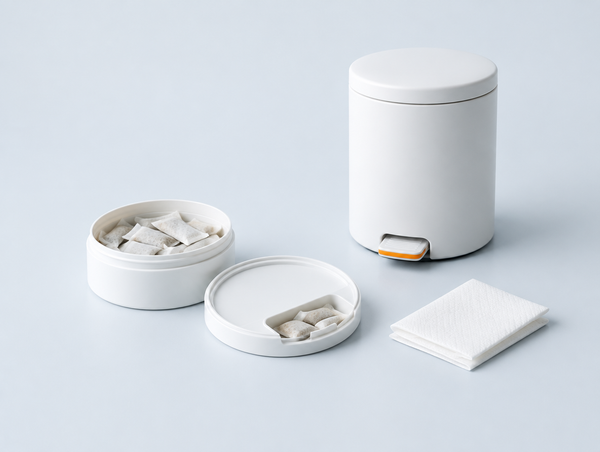
Let's start from the very beginning: a snus can is the primary packaging for snus and related products. Its core function is to protect the contents from moisture loss, external pressure and contamination. At the same time, it allows for clean, quick removal of individual pouches.
The format has barely changed over decades because it works. The round, flat shape fits in any trouser pocket, and the diameter is largely standardised across most brands. Typically there are 20 pouches per can, with 18 to 24 pieces depending on the manufacturer and pouch format. The total weight is usually between 10 g and 24 g.
Note: Snus cans serve more than just storage purposes. They are part of the experience and directly influence handling and freshness.

Construction of a snus can
Three elements determine the design of virtually all modern snus cans:
- Upper lid: Seals the can from above. It sits firmly enough not to open accidentally, but can be released with one hand and a thumb press. Many users develop a routine for this that works without looking.
- Lower part: Contains the actual contents. The pouches are arranged in a circular pattern so they can all be removed evenly without shifting or damaging the others.
- Catch lid: The additional compartment inside the upper lid. Used pouches go there until they can be disposed of. No searching for bins, no smell in your jacket. This detail is standard on modern cans and solves a concrete everyday problem.
Materials and design: more than aesthetics
Snus cans are predominantly made of plastic. The material is light, can be shaped with precision and is well suited to moisture regulation inside the can. The precise fit between lid and lower part is no accident: good cans close in a way that prevents air from getting in and the can from accidentally opening.
There are also cans made of metal, usually aluminium, which are used as accessories for storage or for transferring contents from bulk packs. They offer good pressure protection but are not tailored to specific pouch formats and generally have no catch lid.
Colour as a function in snus cans
Many brands use colour to indicate strength. Light variants often appear in lighter, more subdued tones, while ultra strong products tend towards high-contrast, dark or striking colours. This is not purely a design choice — it makes it easier to tell them apart at a glance, especially when several varieties are in circulation.
Design as brand language
The shape, surface and typography of the can are part of the brand identity. Some manufacturers opt for a minimalist, almost clinical look. Others work with textured surfaces, matte finishes or coloured accents that combine tactile feel with recognition value. Anyone who places different brands side by side will quickly notice: the can communicates before it is even opened. A detailed snus brand comparison shows how different the approaches are in detail.
Snus cans and nicotine pouch cans compared
On the outside, snus cans and cans for tobacco-free nicotine pouches are often barely distinguishable. The construction follows the same principle: round can, lid, lower part, catch lid. The key difference lies not in the can but in the contents.
Snus contains tobacco. In the European Union it is subject to strict regulations and, with the exception of Sweden, may not be marketed as a food product. Traditional snus consists of moist, ground tobacco with salts and flavourings. The cans are designed for a specific moisture content.
Nicotine pouches are tobacco-free. They contain synthetically or plant-derived nicotine in a carrier material made of cellulose or similar fibres. The pouches are drier, which affects the texture and moisture balance in the can. When purchasing from the nicotine pouches range, this distinction is clearly indicated on the packaging.
Anyone specifically looking for tobacco-free products should pay attention to the product labelling. The difference between the two categories is legally and substantively relevant and should be recognisable on every snus package.
Using snus cans in everyday life: opening, removing, storing
The can opens with a single hand movement. The thumb pushes the lid off from the side or from above, depending on the can type. Many users develop a hand gesture that works without looking. The ergonomics of modern snus cans are designed for exactly this one-hand handling.
After removing a pouch, the can is closed again immediately to minimise moisture loss. Used pouches go into the catch lid. For transport, the flat, round shape is ideal: no protruding edges, no rattling, fits in any pocket.
On storage: unopened cans keep best in the refrigerator. There, the moisture balance stays stable and the aroma is fully preserved. Anyone keeping several cans in stock will find the most important tips in the article on proper snus storage. Opened cans should be used within a few days.
Can sizes, portions and pouch formats
The height of the can varies between brands; the diameter is largely standardised. Taller cans hold more contents or offer more space in the catch lid. The pouch formats inside the can also differ:
- Slim: Narrow and flat, sits discreetly under the lip. Standard for most modern nicotine pouches.
- Large / Regular: Wider pouch, more filling, more intense initial contact.
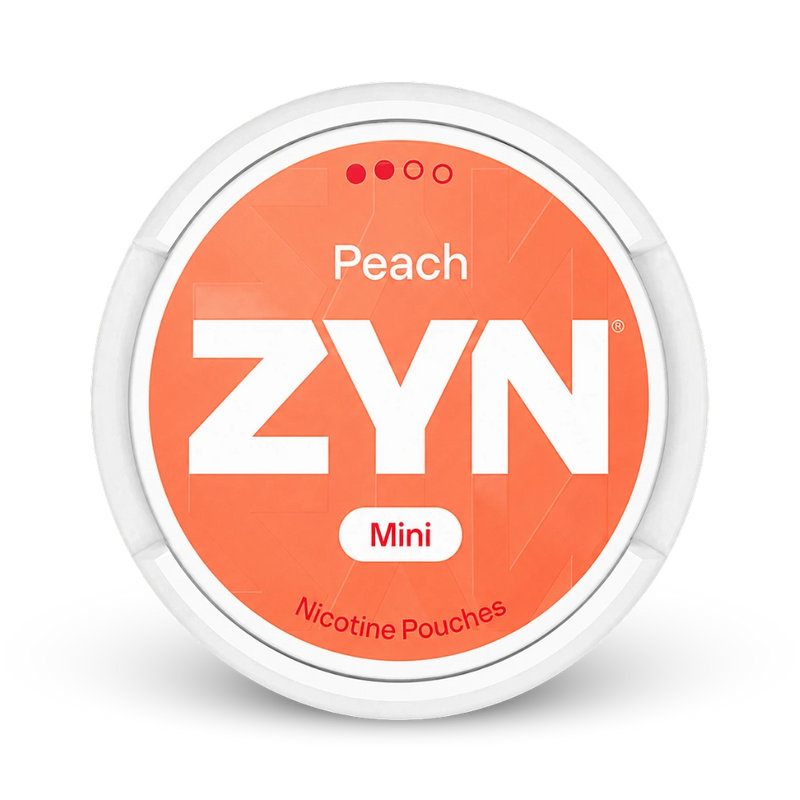
- Mini: Very compact, barely noticeable. Suitable for understated wearing comfort.
- Superslim: Even narrower than slim, maximum discretion.
The format influences how the pouches are arranged in the can and how well they are protected. A more detailed overview is provided by the overview of all snus varieties.
When the can becomes more than a container: the collector effect
I'll admit it openly: I keep certain cans. Not all of them, but some. A well-made snus can with an exceptional finish, a special edition or a material you rarely come across doesn't end up in my bin. That might sound like a niche thing, but it isn't.
In the community there is a clear trend: cans with unusual designs, limited-edition prints or special tactile qualities develop their own status. Brands know this, of course, and play on it skilfully. Special editions, seasonal colour variants, collaborative designs with artists or scene brands. The cans are meant to stand out.
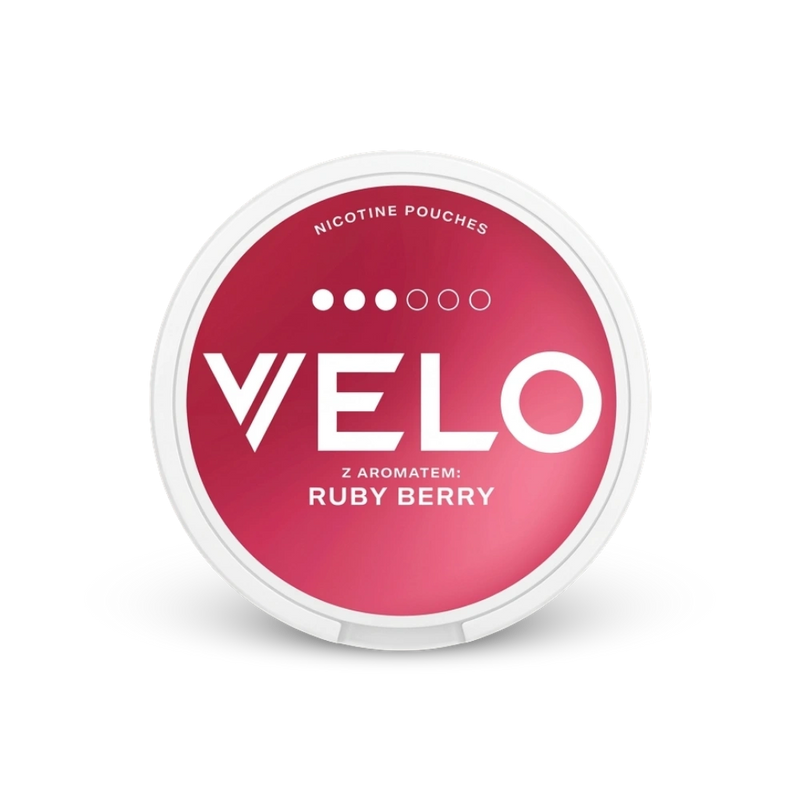
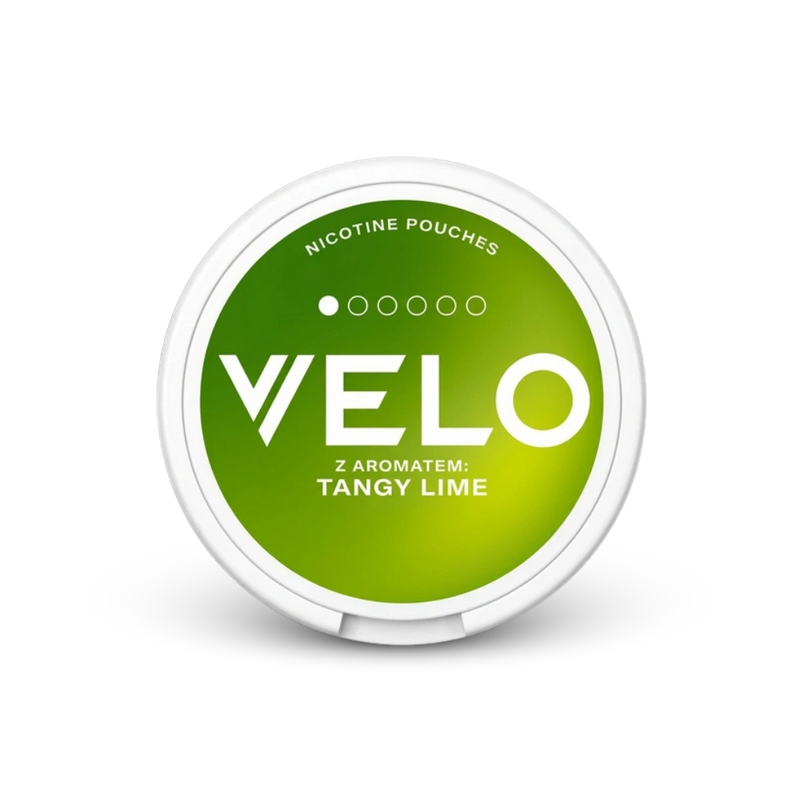
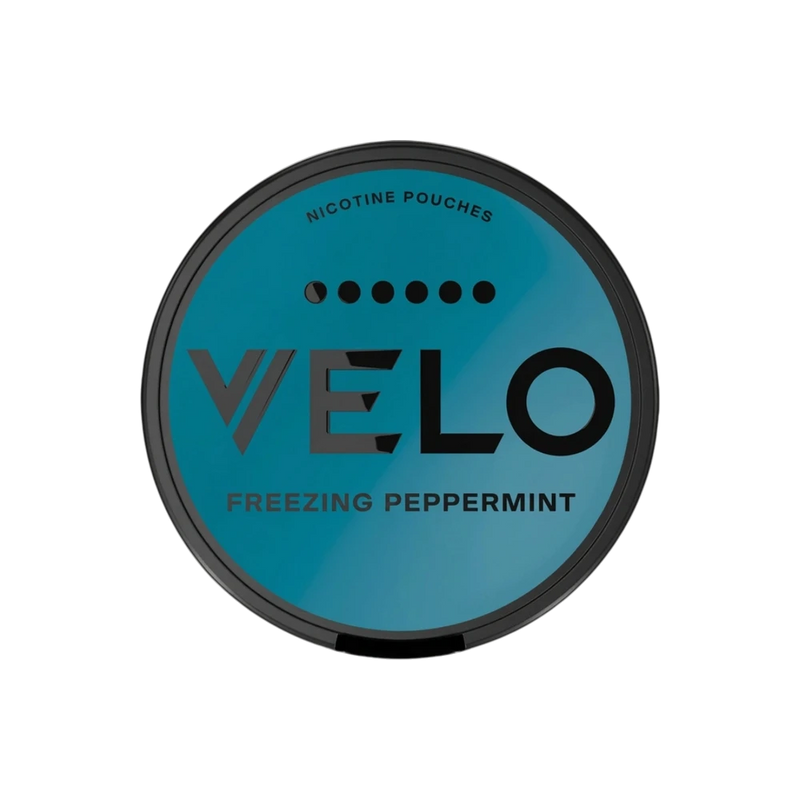
One brand stands out for me personally. Velo carries its design through consistently: clean lines, crisp typography, colour choices that work at first glance. The can doesn't feel like a mass-produced item, even though it is one.
Then there are brands that deliberately go for contrast and boldness. Pablo, for example, works with vivid colours and a design that stands out immediately on the shelf — and that's intentional. Shogun comes across in a similarly direct way: a clear visual identity, a distinctive presence. Once you start comparing cans by design, you quickly realise how wide the range is.
Original can: why the original is the better choice
Aluminium cans as accessories look good and have their place — for example when transporting leftover stock or as a personalised gift with an engraving. But they don't work as a permanent replacement for the original can. The reason lies in the interplay between can and contents:
- Precise fit: Original cans are tailored to the respective pouch format. Slim pouches sit exactly in slim cans, don't move and don't lose moisture through friction.
- Moisture protection: The can is designed for the specific moisture content of the pouches. Pouches transferred to a universal metal container dry out faster.
- Catch lid: This element is missing from most accessory cans. In everyday use, you notice immediately.
- Freshness: Pouches in their original can, properly sealed and stored cool, retain their texture and aroma significantly longer than transferred pouches.
Why the can is more than just packaging
Surface, typography, colour scheme, the click of the closure, the quality of the catch lid: all of this adds up to an overall impression that goes beyond the contents. For many people, the can has become an accessory you show off rather than hide.
Handling depends directly on the quality of the can. A can that doesn't close properly opens in your pocket. One that is too tightly constructed is hard to operate one-handed. A missing catch lid forces alternatives that are impractical in everyday life. All of this affects the user experience, regardless of the actual contents.
Then there is freshness retention: pouches that remain in their original can and are stored properly sealed retain their texture and aroma longer than transferred pouches. High-quality cans are matched to the specific moisture content of their contents. That is no coincidence — it is part of the product development.
Find the right pouch
Compare strengths, flavours and brands in our shop.
For adults 18+ only. Nicotine is an addictive substance. We sell the products mentioned in our guides. Our editorial content is written independently.