



Table of contents
- Is Snus Legal in Switzerland? ›
- Where You Can Buy Snus in Switzerland ›
- Ordering Snus Online in Switzerland ›
- Prices: What Does Snus Cost in Switzerland? ›
- Brands and Market: What Is Available in Switzerland? ›
- Taking Snus from Switzerland to Germany ›
- Why Switzerland Plays a Special Role in the European Snus Market ›
- What Applies in Switzerland at a Glance ›
In Switzerland, you can buy snus completely normally: in shops, online or directly at petrol stations. At the same time, it is considered a banned product in many EU countries. This very difference regularly causes confusion, especially among people from Germany or Austria who are visiting Switzerland for the first time.
This guide explains what the legal situation really looks like, where to get snus, what it costs and what you need to be aware of when crossing the border.
Is Snus Legal in Switzerland?
Basically yes, but a few rules apply such as a minimum age. Switzerland is not an EU member and is therefore not bound by the European tobacco directives that heavily restrict or ban the sale of oral tobacco in many countries. Swiss law permits the sale, purchase and consumption of snus without any special requirements. Snus is traded completely legally in Switzerland.
Note: The legal situation in Switzerland applies exclusively to the purchase and consumption on Swiss territory. As soon as you take snus across the border, the laws of the destination country apply. This is an important distinction, which we will cover in more detail below.
The decisive point is Switzerland's non-EU status. In the EU, a ban on oral tobacco has been in place since 1992, which only applies as a historical exception for Sweden. Sweden negotiated the snus ban upon joining the EU in 1995. Switzerland, however, never entered into this compromise and regulates tobacco products independently. You can find more on the general legal situation regarding snus in our detailed overview.
Where You Can Buy Snus in Switzerland
The range is broader than in most other European countries. Snus is not a niche product that you have to search for. In cities such as Zurich, Bern or Basel, there are specialised snus shops with a larger assortment, ranging from classic portion pouches to nicotine-free alternatives.
- Tobacco shops and kiosks stock the most common brands, usually as portion snus in various strengths.
- Petrol stations often offer a compact basic range that is sufficient for spontaneous purchases.
- Specialised snus shops in major cities have significantly more choice, including stronger products and niche brands.
- Online shops with Swiss delivery naturally offer the largest range, often at lower prices and with fast delivery to your door.
Online vs. In-Store: Which Is Worth It?
Anyone specifically looking for a particular brand or strength is better off online. Brick-and-mortar shops, including those at petrol stations, usually only stock what sells well. For everyday needs, that is usually sufficient. Those trying snus for the first time benefit from personal advice at a specialist shop.
Ordering Snus Online in Switzerland
Orders through Switzerland-wide online shops are straightforward. There are no special requirements for shipping within Switzerland; snus is treated like any other tobacco product. Many shops dispatch discreetly and quickly, and some also offer express delivery.
Swiss shops have the advantage that no customs fees apply and delivery times are shorter. Anyone ordering from an EU shop may have to pay customs duties, as Switzerland has its own customs territory. This can quickly eliminate any price difference. When ordering, it is therefore worth checking in advance whether the shop actually ships from Switzerland.
Prices: What Does Snus Cost in Switzerland?
The price level is above the average of many EU countries, but this is less surprising when you are familiar with the general cost of living in Switzerland. A can of portion snus costs between approximately 8 and 14 Swiss francs depending on the brand and strength. Premium products and strong variants tend to sit at the upper end of this range.
- Standard products from well-known brands cost between 8 and 10 CHF per can.
- Stronger variants or niche brands are frequently priced at 11 to 14 CHF.
- Compared to Swedish prices, the difference is noticeable but not dramatic.
- Against Germany, where snus is not legally available at all, a direct price comparison makes little sense.
Is It Worth Buying in Bulk?
Those travelling to Switzerland from German-speaking countries sometimes wonder whether stocking up in larger quantities is worthwhile. This depends heavily on how much you are legally allowed to take with you. More on this in the section on crossing the border. In purely financial terms, Switzerland is no bargain, but the range and legal availability make purchasing locally attractive.
Brands and Market: What Is Available in Switzerland?
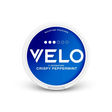
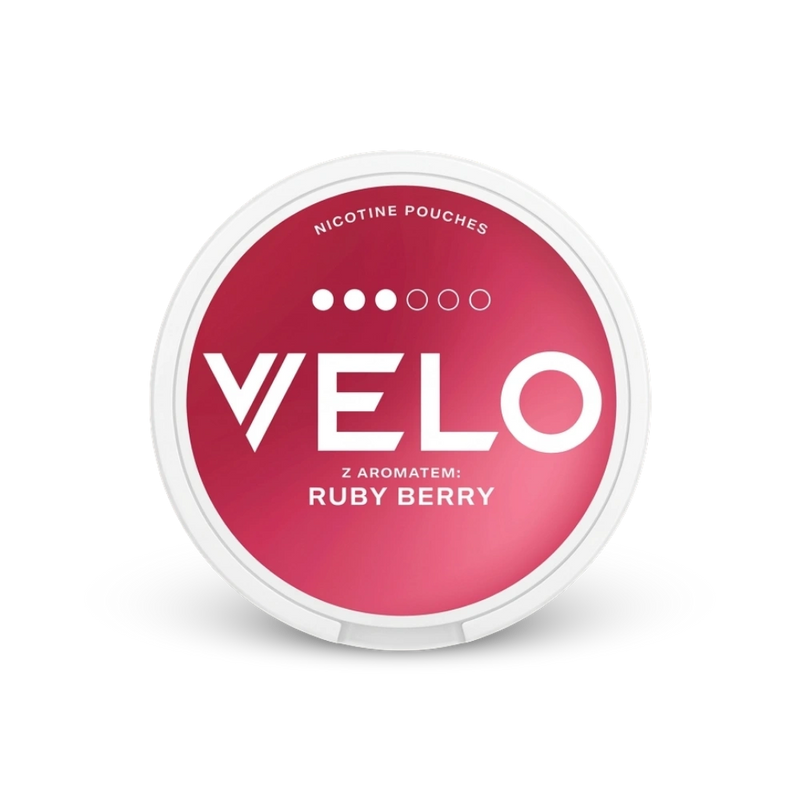
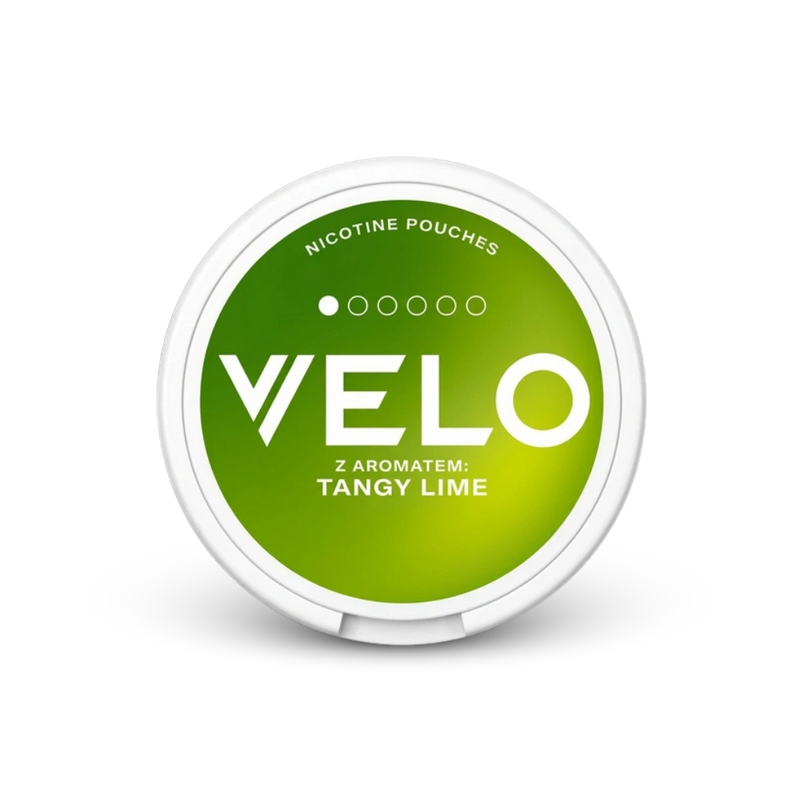
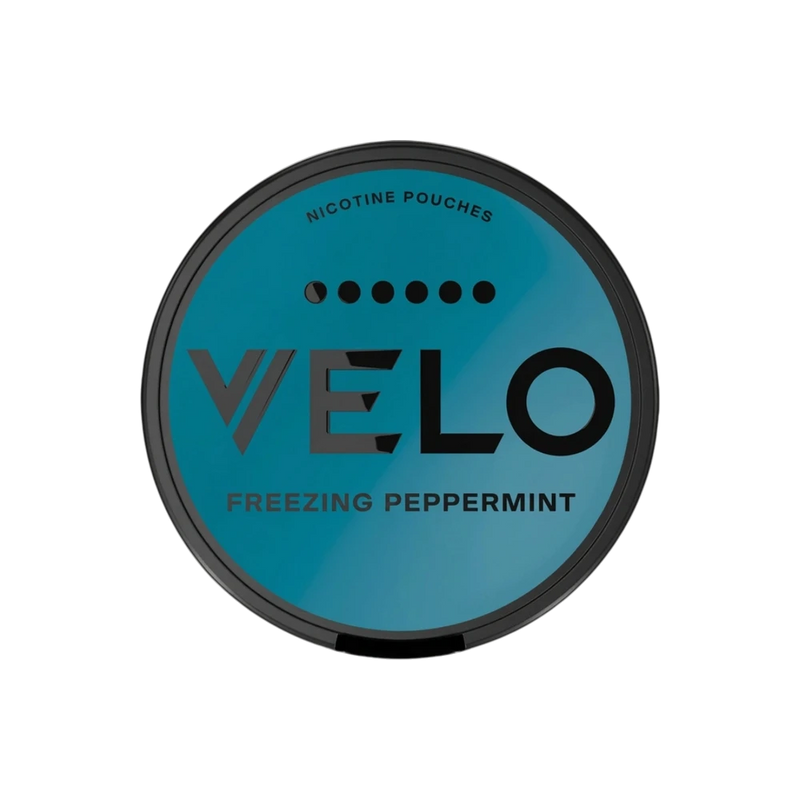
The Swiss market reflects the broad spectrum also known in Sweden or Norway. Classic brands such as Velo, Siberia, Oden's or Nick and Johnny are widespread and available in most specialist shops. Velo Snus is particularly prominent in Switzerland because it is heavily promoted by British American Tobacco and offers a wide range of strengths and flavours.
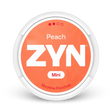
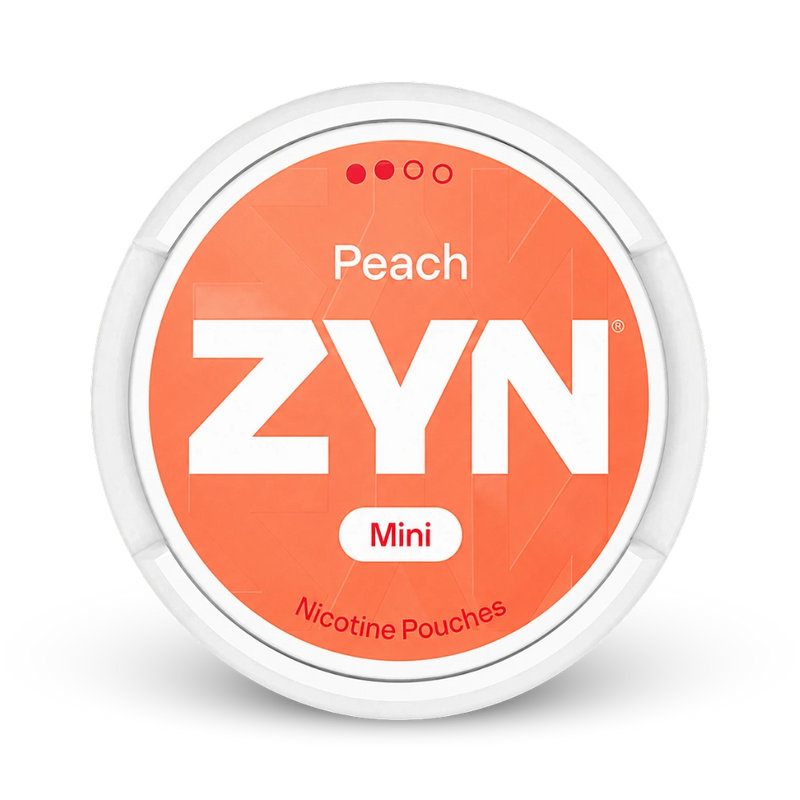
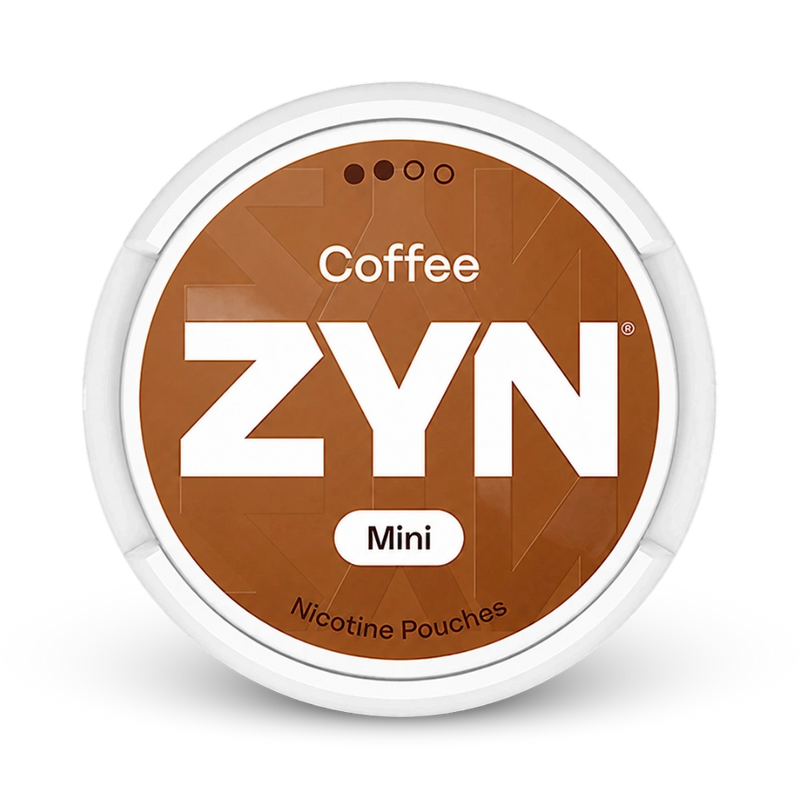
Alongside the well-known names, there is also an increasing number of smaller or newer brands, including many products from Scandinavia. Nicotine pouches without tobacco, i.e. products such as ZYN, are also available and popular among younger buyers.
Taking Snus from Switzerland to Germany
This is where things get a little more complicated. In Germany, snus as an oral tobacco product is not approved for sale. However, this does not automatically mean that taking it along for personal use is completely prohibited. There are tolerance quantities for personal needs, but no clear legal authorisation. The legal situation in Germany is not clearly regulated on this point, and the risk lies with the traveller.
Note: Purchasing in Switzerland is legal. However, taking larger quantities into Germany can be legally problematic, as snus is classified there as an unapproved tobacco product. For personal use in small quantities, there is a degree of tolerance, but no legal guarantee. If in doubt: take little with you and travel informed.
The situation is similar for travellers from Austria. There too, snus is not considered a legally saleable product. The legal situation regarding snus in Austria is also restricted, even if the exact regulations look somewhat different from those in Germany. The general rule applies: small quantities for personal use, no commercial import.
Why Switzerland Plays a Special Role in the European Snus Market
As one of the few non-Scandinavian markets in which snus is fully legal, Switzerland occupies a unique position. For manufacturers from Sweden or Norway, the country is an important sales market in Central Europe. While EU countries maintain strict restrictions, Switzerland offers a legal, stable trading environment.
There are also cultural reasons for this. Switzerland regulates tobacco products independently and has historically been less restrictive than the EU. This is also evident in the range available: what cannot be found in German or Austrian shops is simply on the shelf in Switzerland. This makes the country an interesting destination for travellers from German-speaking regions, even if taking products across the border should be approached with caution.
What Applies in Switzerland at a Glance
Switzerland is one of the few countries in Central Europe where snus is legal, freely available and offered in a wide range. Anyone living in or visiting Switzerland has full access to a functioning market with well-known brands, fair prices and legal purchasing options. For everyone coming from Germany or Austria: buying and consuming in Switzerland is no problem, but taking it home should be done with care.
- Snus in Switzerland is legal and can be purchased without restrictions.
- Online shops, specialist stores and petrol stations offer a wide range.
- The price level is slightly above the European average, but is normal within the Swiss context.
- When crossing the border into Germany or Austria, the laws of the destination country apply — caution is advised.
- Switzerland is an important snus market in Europe precisely because it is not bound by EU directives.
Find the right pouch
Compare strengths, flavours and brands in our shop.
For adults 18+ only. Nicotine is an addictive substance. We sell the products mentioned in our guides. Our editorial content is written independently.


