






At a glance
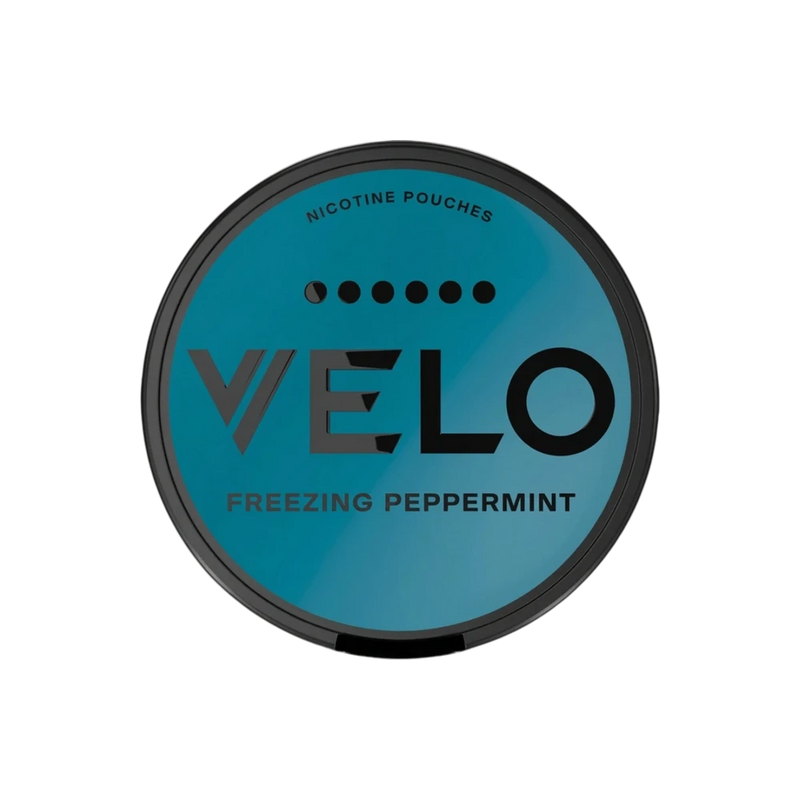
- Swedish snus: tobacco is ground, mixed with water and salt, heat treated, cooled, flavoured and packed.[1]
- No fermentation: Swedish snus is pasteurised by heat, while traditional American moist snuff is fermented.[2]
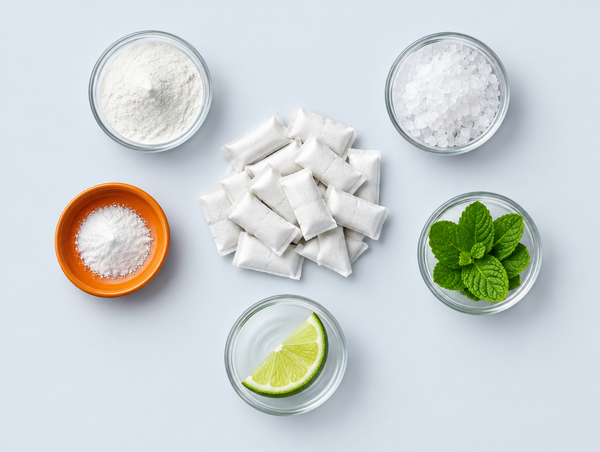
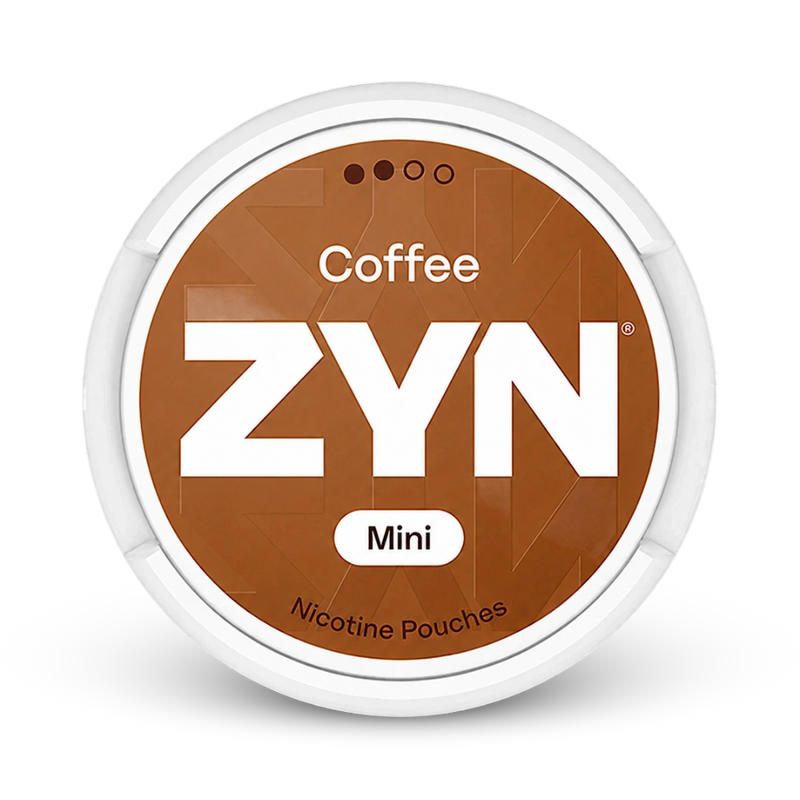
- Nicotine pouches: fibre, water, nicotine, flavours and other ingredients are mixed into a powder, filled into pouches and sealed.[5]
- Storage: snus is a perishable product and should be kept cold, while ZYN nicotine pouches do not need a fridge according to the manufacturer.[2]
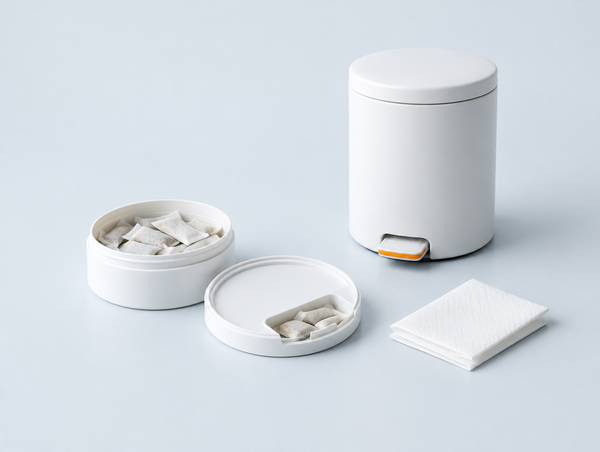
A snus portion and a nicotine pouch look similar in the can. The way to the can is very different. Snus starts as a dried tobacco leaf and goes through a controlled heat treatment. A nicotine pouch starts as a mix of powders and liquids. This guide follows both production lines step by step, based on manufacturer descriptions and technical documents.
How is Swedish snus made?
Swedish snus is made in three main stages: grinding, preparation and packing. Swedish Match describes these stages for its snus produced under its own quality standard GOTHIATEK.[1]
The main ingredients are ground tobacco, water, cooking salt and sodium carbonate. Flavourings and moisture-preserving agents are added as well.[1] In Sweden, snus is legally classified as food. For this reason, the manufacturer uses only food-approved ingredients and produces in premises suited to food production.[2] The raw tobacco is air dried and sun dried before it reaches the factory.[1] A technical report by Swedish Match describes Swedish snus as a moist product made from finely ground, mainly air-cured tobaccos mixed with water, additives and flavours.[3]
If you are new to the product, our guide what is snus? explains the basics.
Grinding the tobacco
In the first stage, the tobacco is broken into pieces, dried and ground. The ground tobacco is then screened into coarse, intermediate and fine meal.[1]
The grind size varies from brand to brand.[2] The GothiaTek standard requires that the tobacco is ground in a controlled process that meets a specific particle size distribution.[3] The result of this stage is a dry tobacco meal, sometimes called tobacco flour, which is the base for the next step.
Heat treatment instead of fermentation
The tobacco meal is mixed with water and salt and then heated. This step is a pasteurisation that reduces the microorganisms in the tobacco, and it is the main difference between Swedish snus and fermented tobacco products.[1][2]
Swedish Match describes the process in this order. The tobacco flour is weighed and moved into closed blenders. Water and salt are added while the mixture is stirred, and then the mixture is heated. Temperature and stirring are controlled by computer.[1] The company states that this step is traditionally called "sweating".[2] The GothiaTek standard requires a controlled heat treatment that reduces the natural microbial flora of the tobacco to specified limits, and production in a closed system to protect the product from external contamination.[3]
Why does this matter? Traditional American moist snuff is fermented, while Swedish snus is not.[2] A chemical study of snus products explains that pasteurisation reduces the microbes that form nitrite. As a result, it also reduces the content of tobacco-specific nitrosamines.[4]
After the heat treatment, the snus is cooled. Then the remaining ingredients are added, such as sodium carbonate, flavourings and moisture-preserving agents.[1][2] Samples go to quality control. Only when all measurements are approved does the batch move on to packing.[1]
Portioning and packing snus
Loose snus is filled directly into cans. Portion snus is measured into small portions, wrapped in a pouch material, sealed and cut apart before it goes into the can.[1]
For loose snus, automatic machines fill the cans, which are then closed with a lid, weighed and labelled. For portion snus, the machine measures each portion and inserts it into a tube of cellulose fibre. The tube is sealed and cut into single pouches, which are packed into plastic cans.[1] The GothiaTek report describes the pouch material as a nonwoven fabric.[3]
The report also explains the difference between "original" and "white" portions. They differ in the packing process. Original portions are brown because the pouch material is moistened at the end of the packing process.[3]
The packaging material depends on the format. Loose snus comes in cardboard cans with a paraffin coating and a polypropylene lid. Portion snus comes in polypropylene cans, because it dries out more easily.[1] More details on the can are in our article on snus can construction.
The packed snus then stays in cold storage rooms for a number of days before it goes to retailers. According to Swedish Match, this allows the snus to mature and develop its aroma and flavour.[1] Even after this stage, snus is perishable. The manufacturer gives a shelf life in cold storage of 14 weeks for loose snus and 20 weeks for portion snus.[2] Our guide on the snus fridge explains how to store it at home.
How are nicotine pouches made?
Nicotine pouches are made from a powder, not from tobacco. The ingredients are mixed, the powder is filled into pouches, and the pouches are sealed.[5][6]
The sources for this guide contain few details about industrial production lines. A patent for a nicotine pouch composition gives a clear example of the process at small scale.[5] The steps below follow this example. Industrial lines can differ in machines and order of steps.
1. Mixing. Plant fibres and water are mixed in a planetary mixer for several minutes. Then the nicotine is added. Liquid flavours and a glidant follow at the end, each mixed for about one minute.[5] The patent warns that too much mixing can make the powder too compact and dense.[5]
2. Filling. The finished powder is filled into pouches. In the patent example, the target fill weight is 500 mg of powder per pouch.[5] The BfR measured a median weight of 0.6 g per pouch in the products it analysed.[6]
3. Sealing. The pouch is closed by sealing so that the powder stays inside.[5] The pouch material can be a heat-sealable nonwoven cellulose, such as long-fibre paper, or a material made from viscose fibres. It lets saliva pass through but keeps the undissolved powder inside.[5]
4. Packing and labelling. The pouches are packed and labelled. The BfR notes that labels of products with 2.5 mg nicotine per gram or more must carry a hazard pictogram because of the acute toxicity of nicotine.[6]
Snus and nicotine pouch production compared
Both products end as a portion in a fleece pouch, but the production steps differ in almost every stage. The table shows the main differences.
| Step | Swedish snus | Nicotine pouches |
|---|---|---|
| Raw material | Air-dried and sun-dried tobacco[1] | Plant fibre, nicotine, water and other ingredients[5] |
| Preparation | Grinding and screening of the tobacco[1] | Mixing of the ingredients into a powder[5] |
| Heat step | Pasteurisation of the tobacco with water and salt[1] | No heat treatment step in the patent example[5] |
| Fermentation | No[2] | Not applicable, no tobacco is used |
| Flavouring | After cooling[1] | During mixing[5] |
| Pouch material | Nonwoven fabric made of cellulose fibre[1][3] | Nonwoven cellulose or viscose fibre[5] |
| After packing | Cold storage before delivery[1] | No maturing step described |
| Storage at home | Keep cold[2] | ZYN: no fridge needed according to the manufacturer[2] |
The legal situation also differs. EU law requires member states to ban the sale of tobacco for oral use, with an exception for Sweden.[7] This rule refers to the tobacco product. A detailed comparison of both product groups is in snus vs nicotine pouches.
Sources
- Swedish Match: Snus production. swedishmatch.com
- Swedish Match: Frequently asked questions (snus production, storage and ZYN). www.swedishmatch.com
- Swedish Match: Swedish snus according to GothiaTek, report submitted to the U.S. Food and Drug Administration (redacted version), 2013. www.accessdata.fda.gov
- Lawler TS et al.: Chemical analysis of snus products from the United States and northern Europe. PLoS One 2020;15(1):e0227837. pmc.ncbi.nlm.nih.gov
- Patent US 11,805,802 B2: Nicotine pouch composition, granted 7 November 2023. patents.google.com
- German Federal Institute for Risk Assessment (BfR): Health risk assessment of nicotine pouches. Updated BfR Opinion No. 023/2022, 7 October 2022. www.bfr.bund.de
- Directive 2014/40/EU (Tobacco Products Directive), Article 17, tobacco for oral use. www.legislation.gov.uk
This article is general information. It is not medical or legal advice for an individual case.
Encuentra la bolsa adecuada
Compara potencias, sabores y marcas en nuestra tienda.
Solo para mayores de 18 años. La nicotina es una sustancia adictiva. Vendemos los productos mencionados en nuestras guías. Nuestro contenido editorial se redacta de forma independiente.